
Suicide Under the Microscope
Through psychological autopsies, Paul Nestadt aims to improve suicide prevention efforts by finding commonalities among those who died.

Illustration by Lucy Jones
Steven was a seemingly well-adjusted teenage boy with a loving family. He was a good student, and enjoyed listening to music and playing video games with his friends.
But a shockwave went through his family and community when his apparently good life came to an abrupt end after he shot himself and died.
In their grief, his family and friends wrestled with difficult questions. Did something happen that led him to suicide? Were there warning signs that they missed? Was there anything that could have prevented this?
Johns Hopkins psychiatrist Paul Nestadt, who researches the epidemiology of suicide, is searching for these same answers. To find them, he and his team are looking to “psychological autopsies” of decedents like Steven (who is not a real person, but a composite based on various cases).
Just as a forensic pathologist in a traditional autopsy conducts a thorough dissection and inspection of a body to determine the cause of death, Nestadt and his colleagues build comprehensive histories and psychiatric profiles of people who have died by suicide.
They do this by conducting multi-hour, in-depth interviews with loved ones and friends and analyzing other available data, including medical records, online obituaries and memorial Facebook pages. The ultimate goal of the work? To find commonalities and patterns among those who died that can help guide suicide prevention interventions — whether medical, community-based or legislative.
While the medical world knows a lot about those who attempt suicide — given that they can be interviewed after the fact — researchers know much less about those who die, who often differ medically and demographically from those who make nonfatal attempts.
It is this gulf that got Nestadt — a trained epidemiologist with an interest in substance use disorder — interested in pursuing this work. He is an attending physician on the Johns Hopkins Motivated Behaviors Unit, an inpatient clinic for patients with the dual diagnosis of a substance use disorder and a psychiatric disorder — a population with a high risk of suicide.
The psych autopsy goes well beyond the surface-level information available to clinicians — Nestadt has pored through clinical diagnoses, medication histories and Centers for Disease Control data as well as data from the Maryland Office of the Chief Medical Examiner, where the initial psych autopsy cases came from. While this information is useful, it doesn’t always tell him what was happening in the months, weeks and days leading up to the suicide. And those records certainly don’t tell him what the person was thinking about in the hours and even minutes prior to the suicide death — a crucial window of time, he notes, given the impulsivity of some who die by suicide.
“I had a sense that it was going to be more subtle things that aren’t picked up on a medical record necessarily,” Nestadt says. “So I wanted to get the closest I could to the sort of psychiatric assessments that we do on living people, where you can really engage with them, talk about their relationships and what’s going on in their life. The psychological autopsy is the closest you can come to that.”

The Interview
In his first major project, launched in 2020, Nestadt obtained grant funding to investigate the suicide deaths of young people who used firearms. He established a collaboration with the Maryland medical examiner’s office, which obtained consent from 13 families. Their loved ones were ages 15–21, and 12 of the 13 were male. Then Nestadt and his group of trainees — medical students, residents and postdoctoral fellows — reached out to the families, ultimately conducting 17 lengthy interviews.
Since the work started during the COVID pandemic, all interviews took place over Zoom, but even virtually, clinicians gained unique insight into the different cases and their aftermath.
Nestadt still gets choked up recalling one interview when a phone was going off in another room; he reassured the interviewee it was OK to pick it up. It turned out to be the phone of their son who died by suicide — the family kept it active so friends could call and leave messages.
“It’s a reminder that these lost loved ones are very much still present in their lives,” he says.
Outside of a set of standard questions, interviews are fairly open-ended and cover everything from psychiatric symptoms to the kind of music the person listened to. To find out what happened in the period immediately preceding death, Nestadt and his team speak with those who were with the person who died or spoke to them the day they died, and they review text messages and suicide notes if they are left (some left notes on their phones). In at least one case, cameras inside a home captured the person minutes before their death.
Families generally find the interview experience cathartic, Nestadt says, given the stigma surrounding suicide, and many speak about the silence they encounter from their community. He recalls a mother who told him about a young girl in the neighborhood who died from cancer, and how the neighborhood came together and brought the family lasagna and other food. When her son died by suicide, the neighbors weren’t unkind, but there was no lasagna.
Matt Kelly, now a psychiatry resident at Harvard Medical School’s Brigham and Women’s Hospital, says being a part of the interviews was one of the most profound experiences he ever had as a medical student.
“You can’t have a four-hour conversation with the mother of an adolescent who died by firearm suicide without learning how to sit in an incredibly painful place — to listen, to be present, to be respectful, to be open and to be compassionate,” he says, “and to sit in a fracture that seems to be deeper than even what medicine can fully heal, because it’s a place of profound loss.”
It’s precisely this reason Nestadt involves trainees in the interviews, to give them an experience they can’t get in their usual clinical work. And when he can’t conduct the interview himself, he ensures there is another doctoral-level clinician present, so a trained psychiatrist can, if needed, counsel the interviewee and refer them to mental health treatment.
A Multifaceted Center
The Johns Hopkins Center for Suicide Prevention is housed in the Johns Hopkins Bloomberg School of Public Health, positioning it to fill the gap in community-based and early interventional approaches, says Holly Wilcox, the center’s director and founder.
“Most people who die by suicide will have never gotten an evidence-based intervention. So there’s an enormous role for our center for translating research results to community-based work,” she notes.
The center brings together suicide experts who might otherwise be working in silos throughout Johns Hopkins, including researchers who focus on indigenous communities and suicide-related inequities; mental health disparities among Black males; and mental health equity for children, adolescents and young adults.
The center also gives the researchers a powerful platform from which to advocate to policymakers, something many of the researchers, including Paul Nestadt, have engaged in for years. Nestadt chairs and Wilcox and Alan “Lanny” Berman sit on the newly formed Maryland Suicide Fatality Review Committee, which is tasked with reviewing and identifying trends and contributing factors in Maryland suicides and facilitating changes to prevent such deaths. — MS
Digging Deeper
Psychological autopsies date back to the late 1950s, when psychologists Edwin Schneidman and Norman Farberow and psychiatrist Robert Litman conducted them as part of their Los Angeles Suicide Prevention Center. The group worked with the Los Angeles Police Department, with funding from the coroner’s office, to look into deaths of an undetermined manner. The psych autopsy became nationally known in 1962 when the group investigated Marilyn Monroe’s death, which the coroner’s office ultimately ruled a probable suicide.
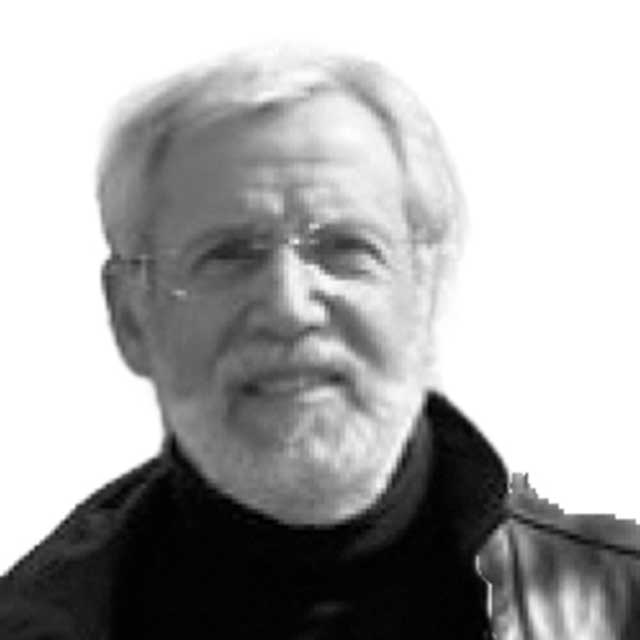
Psychologist and internationally known suicidologist Alan “Lanny” Berman worked with the pioneering trio in LA in the late 1970s and 1980s, learning about the method by examining about 500 psych autopsy cases. Berman, now an adjunct professor of psychiatry and behavioral sciences at Johns Hopkins, says the LA center put suicide and suicide prevention on the map as an area of scientific study, and was also the first to hire paraprofessionals to take crisis calls.
Only a small number of researchers employed psych autopsies in the ensuing decades, as it is resource-intensive work that requires time and funding. The work picked up more over the past 10 to 15 years, Berman says, speculating that researchers recognized over time that there isn’t really another way to understand those who died by suicide.
Berman, who mentored Nestadt in the ways of the psych autopsy, notes that those who attempt suicide are more often female than male, tend to be younger and engage in less lethal methods. The highest rates of suicide are actually among rural white men, although this group also has some of the lowest rates of suicidal ideation.
As Nestadt dug deeper into these differences, he learned the majority of people who die by suicide had never been in treatment or attempted suicide. Some don’t even express suicidal ideation in the week prior to their death, according to studies.
“They weren’t the people who we were seeing clinically,” he says. “Everything I’d been taught about suicide, and more importantly, things I’d seen clinically, didn’t really apply to the population at highest risk. It applied to chronically suicidal people.”
Nestadt remembers the first case he looked at through the medical examiner’s office. It was a man who had cheated on his girlfriend and got caught. He was threatening to kill himself if she broke up with him and left — something even Nestadt as a psychiatrist would likely have dismissed as an empty threat. Yet as she was leaving, she heard a shotgun go off.
“In this manila folder, the very first thing — just the way they organize these things — was the full-color crime scene photographs. That leaves an impression,” Nestadt says. “And I’m like, ‘Oh my God. I would have discharged this guy.’”
Because it’s the worst outcome you can have as a psychiatrist, Nestadt says suicide is still a bit stigmatized in the profession. It’s also possible psychiatrists may have had patients die by suicide and not know it if they didn’t follow up.
“Suicide is what I’ve dedicated my career to understanding and preventing, and I don’t know which of my patients is going to die by suicide and when,” says Nestadt, who is aware of one of his patients who died by suicide.
These days, he and his team are among just a handful of groups performing psych autopsies.
Following in his mentor’s footsteps, Nestadt is training others in how to conduct psych autopsies. In December, he and Berman traveled to Puerto Rico, where suicide is the third leading cause of violent death, with an average of 287 suicide deaths per year.
A law passed in 2024 requires officials to conduct psych autopsies on suicide deaths, making Puerto Rico the only state or territory to have a law that mandates this. Leading the effort is María Isabel Coss-Guzmán, program manager at the Puerto Rico Department of Health’s Commission on Suicide Prevention, who is a part-time master’s student and fellow at the Johns Hopkins Bloomberg School of Public Health. She heard Nestadt give guest lectures in suicide prevention courses, and she reached out to ask him to train her and her colleagues.
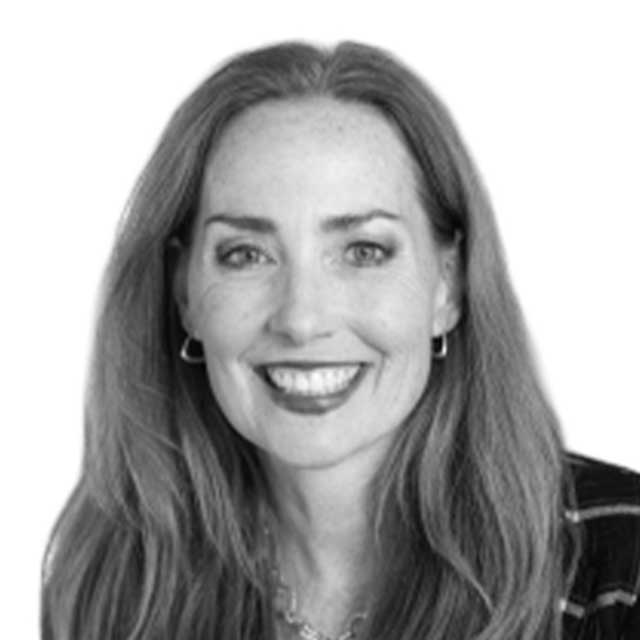
At Johns Hopkins, the efforts of Nestadt and others got a boost in 2024 with the launch of the Center for Suicide Prevention (see sidebar). Nestadt serves as its medical director, and Berman is one of the center’s two senior advisers. The center’s director and founder, Holly Wilcox, is an international figure in suicide research, and works to advance public health approaches to suicide prevention.
Wilcox says the psych autopsy study will play a crucial role at the new center.
“We have data that we use for surveillance and for suicide prevention, but a lot of it is long-term data,” she says. “Knowing what was going on with that person we lost in the minutes, the hours, the day [before death] … the psych autopsy clearly fills in the short-term risk factors information.”
Exploring Nuances
The initial 13 psych autopsies yielded some insightful results that point to potential future areas of research and preventive measures. Former Johns Hopkins trainees are now publishing on their findings.
Matt Kelly’s study, soon to be published in BMJ Injury Prevention, found that the families of 12 of the youth who died by suicide engaged with firearms or firearm culture, and 10 of them used family firearms in the suicide.
“What I found to be fascinating is how powerful narratives surrounding firearms are,” says Kelly. “You might have a grandfather clock in your living room that represents a generational heirloom, somehow connecting you to past iterations of your family. For many people, firearms serve a similar role.”
Many of these families mentioned that they didn’t recognize — or were not told by a clinician — about the danger firearms pose to youth with suicide factors, and 46% say they would have filed an extreme risk protection order (a court order that temporarily restricts firearm access for a person who is behaving dangerously or presenting a high risk of harm to themselves or others) if they knew it was an option. Looking at possible interventions, the paper concludes that suicide prevention interventions should help families reimagine firearms as instruments that pose a threat to youth with suicide risk factors rather than conveyors of family identity.
A second study, on social media and video game use, found that only two of the 13 youth who died exhibited warning signs in their social media posts. Some stopped posting and even deleted social media accounts prior to their deaths.
“Our takeaway from that was that even if there’s an absence of distressing content, an absence of warning signs, that doesn’t necessarily mean that the individual is safe,” and they could still be suicidal, says lead author Barry Bryant, a child and adolescent psychiatry fellow at Massachusetts General Hospital with an academic appointment at Harvard Medical School.
In the other piece of the social media study, presented at the 2025 American Psychiatric Association’s annual meeting, Bryant found that some of the people who died by suicide increased their video game use and increasingly isolated themselves prior to death.
Another study examined the role that social relationships play in suicide risk. Ten of the youth experienced social relationship conflicts, including romantic breakups and conflicts with family and friends, and many isolated themselves socially prior to their suicides, notes Aubrey DeVinney, now a clinical psychology doctoral student at Texas Tech University, who was the only person present for all 17 interviews.
Her study also examined the nuance of disclosure of suicidal thoughts. She cites meta-analyses that say there are disclosures in about 50% of suicide deaths.
“I’m wondering about the other 50%, where maybe there was disclosure there, but not the more explicit way,” says DeVinney.
Her paper draws on examples from interviews that illustrate what could have been more subtle or ambiguous disclosures. One person who died commented that they were only going to go to one homecoming. Another told their parent a few days before their death that things were “not good, but everything’s gonna be OK.”
For Nestadt, some of the most useful pieces of information arose unexpectedly during the course of conversations. He recalls an interview with a friend of one decedent who says they were getting annoyed because they were playing a video game together, and the friend who would later die by suicide kept jumping in front of his friend’s gun, killing his character and losing the team points. Nestadt says this could be an example of suicide “rehearsal,” or what psychologist Thomas Joiner coined “acquired capability,” in which someone tries to overcome their fear of death.
In the latest analysis of the 13 firearms cases, Nestadt and team are taking a quantitative approach. To determine potential common threads, two medical students made a spreadsheet with as many traits as they could quantify — such as number of romantic partners, whether they played a musical instrument and whether they were bullied, for example. The team plans to continue to build out this spreadsheet as it conducts more psych autopsies.
Preventing Future Deaths
Looking ahead, Nestadt plans to carry psych autopsy research forward. He has a new grant to examine opioid deaths in Maryland to determine whether they were intentional or accidental. Nationwide, 5%–8% of opioid deaths are ruled undetermined, but when Nestadt started working with the medical examiner in 2020, Maryland’s “undetermined” rate was 80% — by far the highest in the country. Another grant is to examine suicide among Black youth, which has steadily increased since 2020 while suicide among white youth has decreased; Nestadt has already started conducting interviews for this study.
He recently received IRB approval to recruit for his studies through national advocacy groups (such as the American Foundation for Suicide Prevention and the National Alliance on Mental Health) and to work on cases outside of Maryland, which has the potential to greatly increase the number of psych autopsies in his studies.
Nestadt notes that the psych autopsy model is adaptable to any population, allowing clinicians to shift focus as new suicide trends emerge, such as the uptick in suicide among Black youth since the COVID pandemic.
“When we homogenize suicide, we miss a lot of what’s actually going on,” he says. “Are there common themes in the young transgender population? Are there common themes in retired athletes, in Black Marylanders? Psych autopsy lends itself to that investigation.”
While the subject matter is heavy and the interviews are heartbreaking, Nestadt and all the trainees he works with are highly motivated by the importance of the work. And the families are, too.
“You get that the sense that they have confidence that this will be something that might prevent a future death, and it’s really uplifting,” he says. “That’s why any of us get into this work.”