
Pollution’s Fallout: Brain Disease?
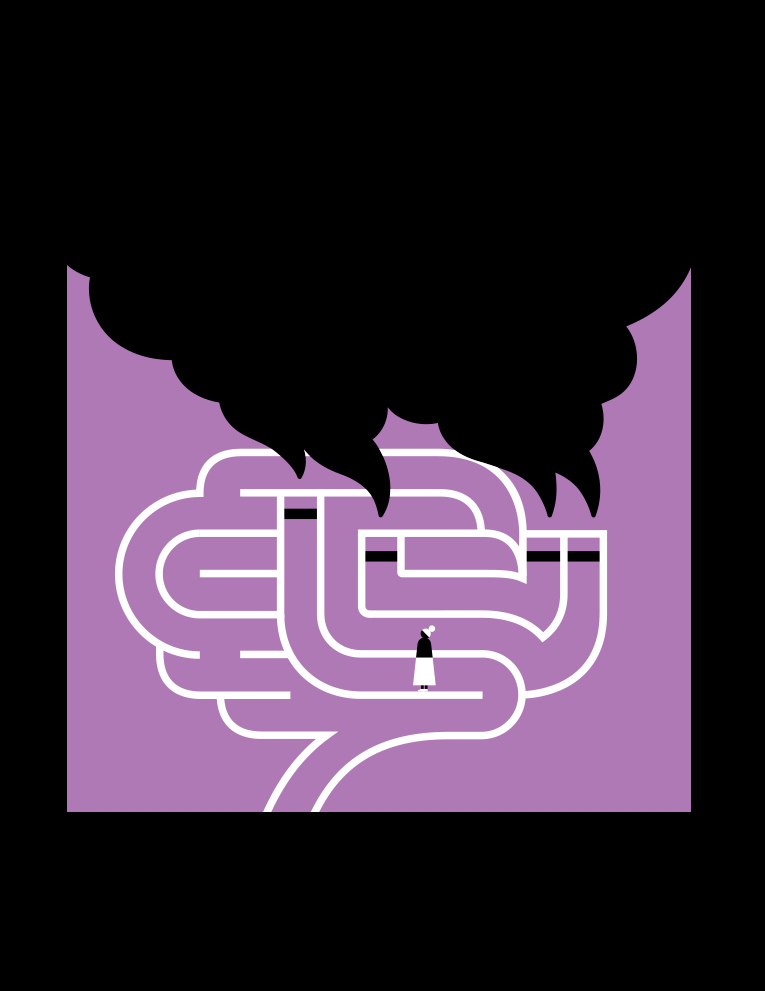
A team of Johns Hopkins researchers has revealed a possible molecular connection between air pollution and an increased risk of developing Lewy body dementia. The findings add to a growing body of evidence indicating how environmental factors may trigger harmful protein changes in the brain that lead to neurodegeneration.
Lewy body diseases are a group of neurodegenerative disorders marked by the abnormal buildup of a protein, alpha-synuclein, in the brain. These clumps, known as Lewy bodies, are a hallmark of the conditions Parkinson’s disease and Lewy body dementia.
The study, published in Science builds on a decade of research linking exposure to fine particulate air pollution (PM2.5) — tiny particles from industrial activity, residential burning, wildfires and vehicle exhaust — to a higher risk of developing these diseases, says lead investigator Xiaobo Mao, a member of the Johns Hopkins Institute for Cell Engineering.
In their new work, Mao’s team discovered that exposing mice to PM2.5 triggered the formation of abnormal alpha-synuclein clumps. These toxic protein clusters shared key structural and disease-related features with those found in the brains of patients with Lewy body dementia.
“We have identified a novel strain of Lewy bodies formed after exposure to air pollution,” Mao says. “By defining this strain, we hope to establish a specific target for future drugs aimed at slowing the progression of neurodegenerative diseases marked by Lewy bodies.”
Location Matters
In their study published in Science, Johns Hopkins researchers analyzed hospital data from 56.5 million U.S. patients admitted between 2000 and 2014 with neurodegenerative diseases. The team focused on patients hospitalized for the first time with Lewy body-related conditions and used data from their ZIP codes to estimate their long-term exposure to PM2.5.
The scientists found that each interquartile range increase in PM2.5 concentration in these ZIP code areas resulted in a 17% higher risk of Parkinson’s disease dementia and a 12% higher risk of dementia with Lewy bodies.
They found that mice exposed to separate samples of PM2.5 from China, Europe and the United States led to similar brain changes and development of alpha-synuclein pockets. “This suggests that the harmful effects of PM2.5 may be broadly consistent across different regions,” says first author Haiqing Liu, a postdoctoral fellow at Johns Hopkins University School of Medicine.
The researchers say changes in gene expression in the brains of PM2.5-exposed mice were strikingly similar to those found in human patients with Lewy body dementia.
“This suggests that pollution may not only trigger the build-up of toxic proteins but also drive disease-related gene expression changes in the human brain.”
Shizhong Han
“This suggests that pollution may not only trigger the build-up of toxic proteins but also drive disease-related gene expression changes in the human brain,” says Shizhong Han, lead investigator at the Lieber Institute for Brain Development and an associate professor of psychiatry and behavioral sciences at the school of medicine at Johns Hopkins.
“Our next goal is to figure out which specific components in air pollution are driving these effects,” says Xiaodi Zhang, a first author of the study and postdoctoral fellow at the school of medicine. “Understanding that could help guide public health efforts to reduce harmful exposures and lower the risk of disease.”