
A Titan in Endocrinology
Joel Habener’s research reshaped metabolic knowledge and laid the foundation for GLP-1 drugs.
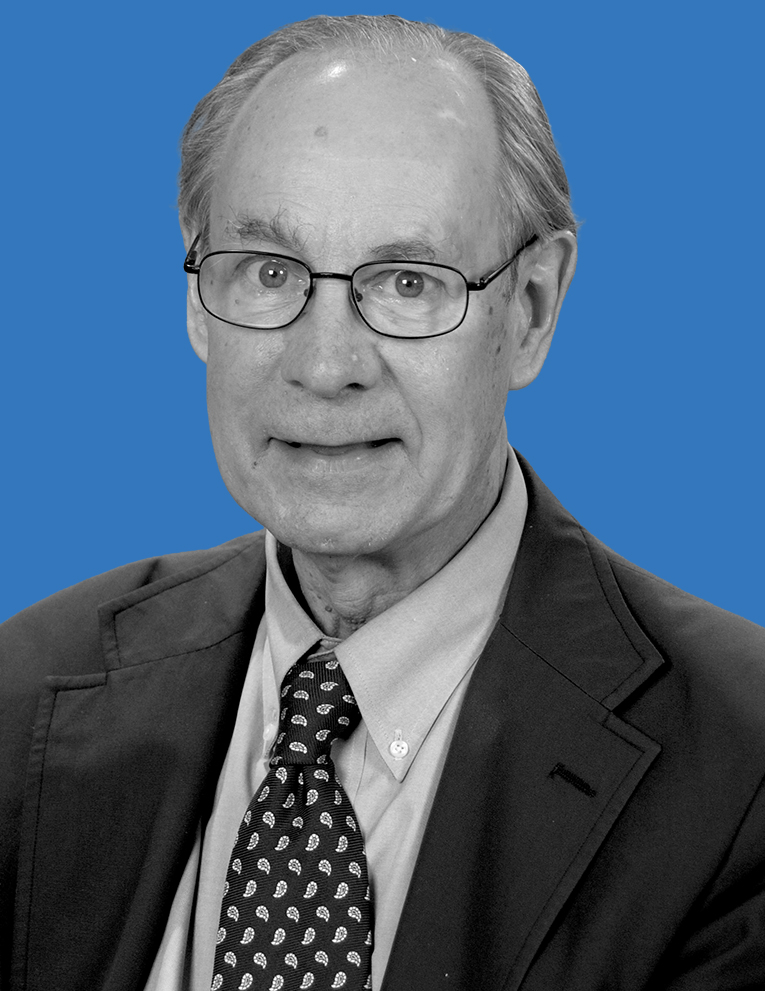
Physician-scientist Joel Habener, an endocrinologist whose research paved the way for GLP-1 drugs, died Dec. 28 in Newton, Massachusetts, at age 88.
Habener, who for decades directed the Laboratory for Molecular Engineering at Mass General Brigham (MGH), had his earliest professional experiences at Johns Hopkins, serving as a medical intern, fellow in medicine and assistant resident from 1965–1967. It was at Johns Hopkins that he decided to become a researcher, according to The New York Times.
“A titan in the field of endocrinology and a humble servant of the scientific enterprise, Joel was an exemplary researcher, a genial colleague and a dedicated mentor to so many in the [Harvard Medical School] community and beyond,” wrote George Q. Daley, dean of the faculty of medicine at Harvard University, in a letter to the Harvard Medical School community. “Joel’s findings, alongside those of his colleagues, informed the subsequent design of therapies that mimic the hormone GLP-1’s effects in the body.”
Habener’s groundbreaking studies in the 1970s and ’80s, conducted with then-MGH colleagues Svetlana Mosjov and Daniel Drucker, identified and characterized glucagon-like peptides (GLP1 and GLP2). This breakthrough reshaped the understanding of the metabolic regulation of insulin secretion, appetite, nutrient metabolism, gastric emptying and gastrointestinal physiology.
Habener and his colleagues built on that research, and found that GLP-1 augmentation can help treat type 2 diabetes. This discovery paved the way for now-widely used GLP-1 therapies that are prescribed for improved glycemic control, weight loss and cardiovascular health.
The pioneering research of Habener and his colleagues was recognized internationally, with accolades such as the 2024 Lasker-DeBakey Clinical Medical Research Award and the 2025 Breakthrough Prize in Life Sciences.
Habener, who earned his M.D. from the University of California, Los Angeles, School of Medicine, became an instructor of medicine at Harvard Medical School’s Massachusetts General Hospital in 1971. He became a full professor in 1989, and stayed with Harvard and MGH until retiring in 2023.