
Researchers Edge Closer to Reconstructing the Building Blocks of Hearing
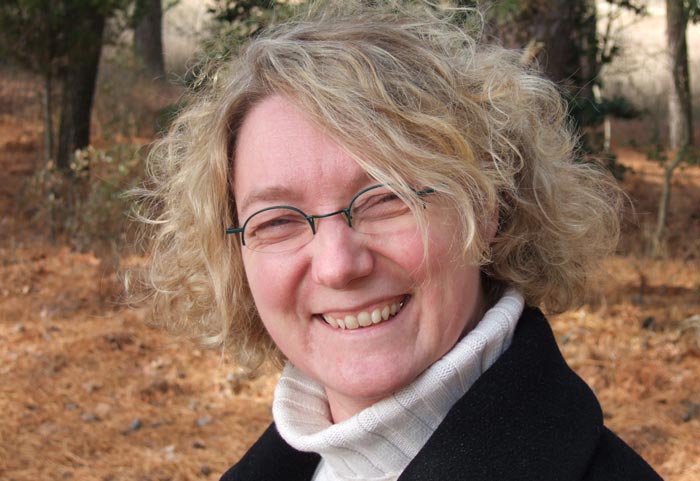
Dr. Elisabeth Glowatzki
Key Points:
- The David M. Rubenstein Hearing Research Symposium brings together experts in auditory mechanisms and potential repair.
- Researchers hope to regenerate the inner-ear hair cells that turn sound vibrations into hearing.
- Presentations centered on gene therapy and immune responses as novel methods to rebuild damaged inner ear cells.
Researchers are getting closer to understanding how to repair inner ear damage and restore hearing using gene therapy and immunology.
Presenters at the David M. Rubenstein Hearing Research Symposium, held at The Johns Hopkins Hospital Dec. 5, 2025, discussed their findings, including studies of hair cells in the inner ear that are crucial for hearing. As they learn why some animals can regenerate those cells, scientists are moving closer to the goal of stimulating similar regrowth in humans.
The symposium, organized by Elisabeth Glowatzki, the David M. Rubenstein Professor of Otolaryngology–Head and Neck Surgery, featured Johns Hopkins researchers who presented their work on topics including hair cell regeneration, inner ear gene therapy and immunological approaches to repairing inner ear damage, as well as healthy auditory aging.
Held every other year, the symposium is supported by the David M. Rubenstein Precision Medicine Center of Excellence in Hearing Fund, which supports regenerative approaches to hearing research. Rubenstein is co-founder and co-chairman of the Carlyle Group and principal owner of the Baltimore Orioles.
“With the endowment, we can push the boundaries,” says Glowatzki. “We’re adding topics that are cutting edge. One is using the immune response to possibly repair what’s damaged in the ear, and the other topic is aging. We all lose some of our hearing with age, so we want to know how to fix things.”
Keynote speakers were Alan Cheng of Stanford University, a leader in hair cell regeneration research, and Gwenaelle Geleoc from Harvard University, who is renowned for her work using genetic approaches to reverse hearing loss associated with Usher syndrome, an inherited condition characterized by hearing, vision and balance difficulties.
As Glowatzki explains, hair cells are cells in the inner ear topped with tiny hair bundles that move with sound vibrations, producing electric signals that are transmitted to the brain to create hearing and balance. Auditory loss occurs when the cells die, often from disease or noise exposure. Creating new sets of hair cells could be an important step for restoring hearing, she says.
Researchers, including Erin Jimenez, assistant professor in the Department of Biology, and Ulrich Mueller, Bloomberg Distinguished Professor of Neuroscience and Biology, presented their insights into how these cells work and the mechanisms that allow them to regenerate in some animals, but not in humans.
A gene therapy approach, Glowatzki says, would address genetic mutations that result in a loss of function in hair cells or other important cell types in the inner ear. This approach would pack the message that makes the protein into a virus that would be injected in the inner ear. Wade Chien, professor of otolaryngology–head and neck surgery, discussed the gene therapy techniques he is testing in mouse models.
Other presenters focused on the pathways that transport signals from hair cells to the brain, which can deteriorate when they are not used.
Philippe Vincent, assistant professor of otolaryngology–head and neck surgery, spoke of his efforts recreating the mechanisms that transmit signals from the inner ear hair cells to the nerve, and investigating the properties of re-created hair cell/auditory nerve fiber connections (synapses) in a culture dish. He is developing approaches to determine if those new connections would transmit the necessary activity from the hair cell to the brain.
Several immunologists in the department, including Stephane Lajoie, who spoke at the symposium, are studying the immune response within the ear to damaging stimuli, particularly loud noise. Amanda Lauer, professor of otolaryngology–head and neck surgery, discussed the mechanisms that may lead to hearing loss with aging.
Presenters at the symposium shared their work and insights, creating an atmosphere of “cross-pollination,” says Glowatzki. “After every talk, there were plenty of questions from the audience, which was very engaged,” she says. “We are talking to each other, we are learning from each other.”
Medically reviewed by Elisabeth Glowatzki, PhD
For Clinicians Clinical Connection
Clinicians, discover the latest in research and clinical innovation from Johns Hopkins experts. Access educational videos, articles, CME courses and other resources from our world-renowned institution.