
Advances in Breast Cancer Treatment: Insights from Medical Oncologist Jenni Sheng
New therapies and increased personalization are rapidly improving breast cancer treatment.
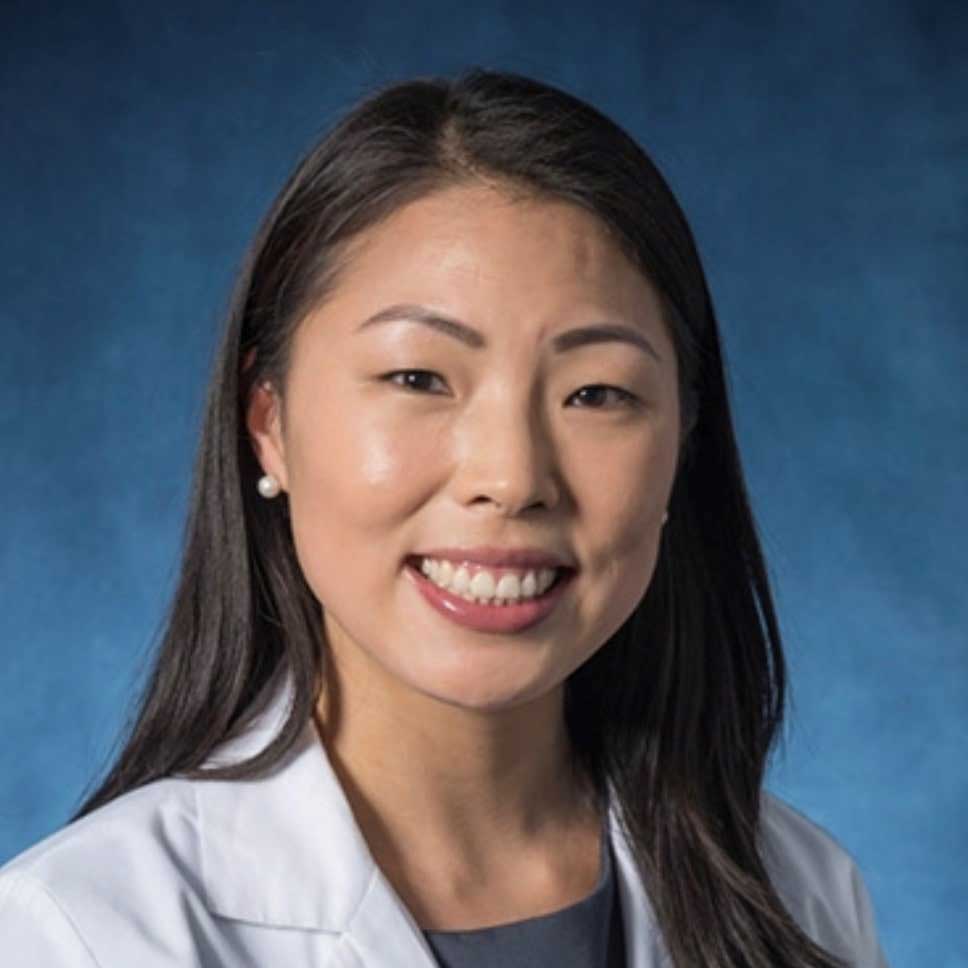
Breast cancer treatment has made remarkable strides in recent years, with personalized medicine now at the forefront of oncology.
Jenni Sheng, medical oncologist at the Johns Hopkins Kimmel Cancer Center at Sibley Memorial Hospital in Washington, D.C., emphasizes the importance of clinical trials in developing new treatments and improving patient outcomes.
“In the past few years, we’ve had several advances in the expansion of therapeutic options for all breast cancer patients,” she says. “Determining the best treatment for each patient requires understanding the biology of the breast cancer, and this involves evaluating the cancer characteristics and any genetic mutations that the cancer harbors.”
Patients are roughly grouped into four molecular profiles: HER2-enriched, luminal A (often hormone receptor-positive and slower growing), luminal B (hormone receptor-positive but faster growing), or basal-like (lacking those three common receptors, or triple-negative).
“In the metastatic setting, we have now identified that those with a HER2 ultralow subtype may benefit from HER2 therapy,” Sheng says. “In the early stage basal-like or triple-negative space, we have developed clinical trials to evaluate whether certain patients can receive less chemotherapy (if they have an excellent response to initial chemotherapy and immunotherapy), and whether certain patients should receive more treatments up-front, including radiation.”
These trials have the potential to improve patient outcomes and reshape standard of care practices.
Genetic testing, already used to find hereditary mutations, is now being used to analyze mutations within a tumor, which could influence treatment, particularly in patients with metastatic cancer.
“It is standard practice for us to request genomic testing on the cancer itself because there are many targeted therapies that we now have available, which we did not have even a decade ago,” Sheng says. “These genomic tests can help us to select a therapy with a more favorable side effect profile, and may allow us to utilize a treatment with a preferred different route of administration, like oral as opposed to IV.”
Chemotherapy, while foundational in treatment regimens, has seen minimal changes over the past few decades in terms of the agents used. However, the approach to managing the side effects of these treatments has transformed. New and more effective approaches to controlling hot flashes, nausea and other side effects have been introduced.
Says Sheng: “We are also conducting studies to test the feasibility of interventions beyond pharmacotherapy. For example, I currently have a clinical trial evaluating a 24-hour water-only fasting intervention during chemotherapy. There are promising publications that have demonstrated that fasting may reduce side effects and improve outcomes. Clinical trials are pivotal as they allow us to test strategies that appear promising in the preclinical setting or in smaller studies.”
In the past decade, there has been a rise in the use of new techniques such as “cool capping,” a form of scalp cooling that can reduce chemotherapy-induced alopecia. This option is becoming increasingly common in cancer centers, providing patients with more choices in managing the physical toll of their cancer treatments.
Lastly, the comprehensive care model remains a pillar of breast cancer treatment. Sheng emphasizes the importance of multidisciplinary teams at Johns Hopkins, which include surgeons, medical oncologists and radiation oncologists, working together to coordinate effective treatment plans. This collaborative approach ensures that patients receive a holistic treatment experience tailored to their individual needs.
“It is our privilege to help people treat their breast cancer and live as long as possible with a good quality of life,” she says. “It’s an exciting time. We are going to continue advancement in diagnostics, utilizing therapeutics with novel mechanism of action, and applying strategies to reduce toxicities from treatments.”
For Clinicians Clinical Connection
Clinicians, discover the latest in research and clinical innovation from Johns Hopkins experts. Access educational videos, articles, CME courses and other resources from our world-renowned institution.