
Transforming Stroke Care with 3D Imaging in the IR Suite

Ken Taguchi, professor in the Radiological Physics Division, is leading a transformative effort to bring 3D perfusion imaging into the interventional radiology (IR) suite — an innovation that could dramatically improve stroke care. Perfusion imaging measures how well blood flows through brain tissue, a critical factor in determining which areas remain viable after a stroke. Capturing that information in real time can help physicians decide, within minutes, whether a patient’s brain tissue can be saved.
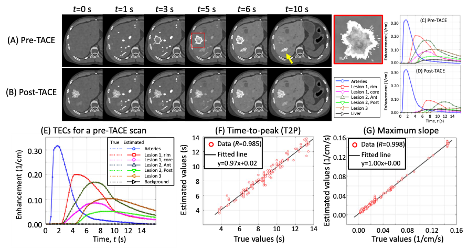
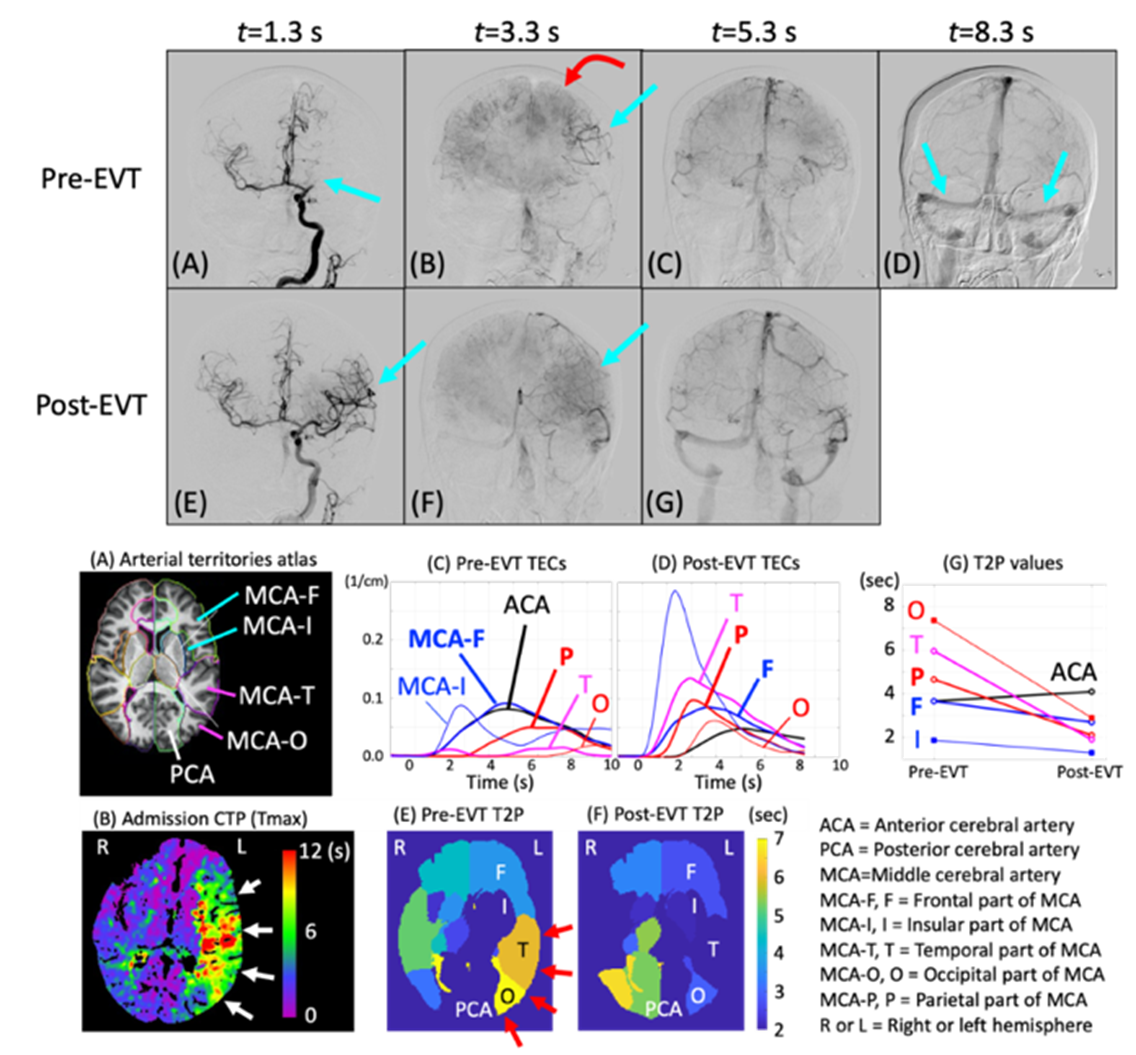
Taguchi’s team is developing sophisticated imaging software that reconstructs cross-sectional, 3D maps of tissue viability from standard interventional X-ray angiography scans. This technology provides a detailed, volumetric view of the brain’s vasculature helping radiologists see exactly which regions are receiving blood and which are at risk. “With IPEN, when contrast is injected into the patient, clinicians can visualize how well blood is flowing and observe the immediate impact of treatment as it happens,” Taguchi explains.
Currently, most IR teams rely on 2D X-ray projections during clot-removal procedures, which can limit visibility when vessels overlap or critical structures are obscured. Taguchi’s approach performs “a CT scan, but without CT scanner” using live fluoroscopy, allowing for real-time precision that could make these interventions faster, safer, and more effective.
Collaboration plays a central role in this work. Vivek Yedavalli, chief of neuroradiology at Johns Hopkins Bayview Medical Center, brings essential clinical insight into how the technology performs in practice, while Andreia Faria, associate professor of radiology and radiological science, contributes expertise in neuro-arterial mapping to ensure that the imaging software integrates seamlessly with the brain’s complex anatomy.
Together, their work is redefining image-guided intervention — moving from static visualization toward dynamic, data-driven guidance. By making blood flow visible in real time, Taguchi’s team is setting the stage for more responsive, patient-specific stroke treatments that could save both time and tissue when every second counts.
For Clinicians Clinical Connection
Clinicians, discover the latest in research and clinical innovation from Johns Hopkins experts. Access educational videos, articles, CME courses and other resources from our world-renowned institution.