
New Protocol Could Increase Use of Continuous Glucose Monitoring Devices
Endocrinologist Mihail Zilbermint recommends educating patients about the devices at hospital discharge.
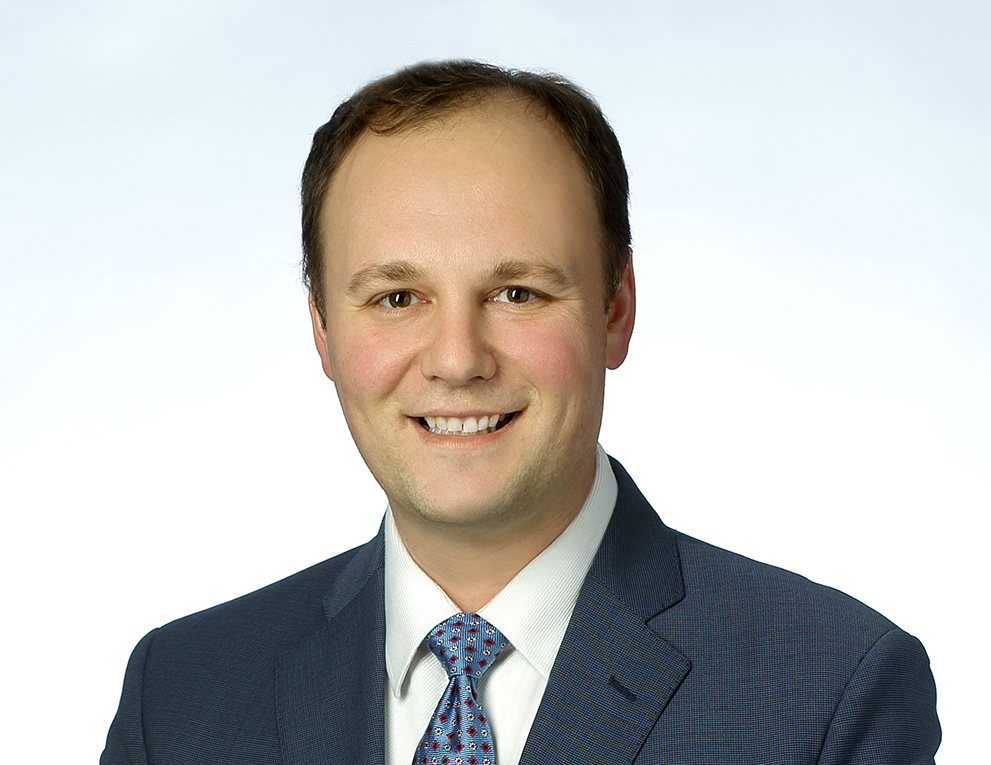
For many people with diabetes, continuous glucose monitoring devices (CGMs) are the standard of care — they’re associated with fewer hospitalizations and with reductions in long-term retinal, renal and cardiovascular complications.
Yet, many people who would benefit from the devices do not use them.
Mihail Zilbermint, associate professor of medicine at the Johns Hopkins University School of Medicine, has co-authored a plan that could increase the use of these devices by providing patients with CGMs and appropriate support as they are leaving the hospital.
“Initiating CGM at hospital discharge is an attractive option, as it offers an opportunity to educate patients about diabetes, reinforce proper device use, compare CGM values with capillary glucose readings and review glycemic trends under provider supervision,” notes the Sept. 16, 2025, article in the Journal of Diabetes Science and Technology.
Zilbermint, who created and leads the Endocrine Hospitalists Program at Johns Hopkins Community Physicians, launched a CGM education program in 2021 that is offered at Suburban Hospital, Sibley Memorial Hospital and Johns Hopkins Howard County Medical Center.
 Andrew Demidowich
The initiative was originally spearheaded by Andrew Demidowich, who leads the endocrine and inpatient diabetes management service at Johns Hopkins Howard County Medical Center, and whose early work with legal teams and CGM manufacturers laid the foundation for the protocol.
The paper, written with Johns Hopkins colleagues and Nishant Kumar of the Creighton University Medical Center, is based on the protocols Zilbermint, Demidowich and others developed and refined with the Armstrong Institute Diabetes Clinical Community at Johns Hopkins Medicine.
“My colleague, Dr. Demidowich, led much of the early groundwork and can speak to the challenges we faced getting CGM started in the hospital,” Zilbermint says.
The authors recommend training all members of the clinical team — particularly nurses — in CGM use and how to recognize appropriate candidates; outfitting patients with the device as they leave the inpatient setting; providing patient education; helping patients identify the provider they will see for follow-up care; and sharing provider notes with that clinician.
Zilbermint recommends that hospitals offer devices from competing manufacturers, when possible, to help patients choose based on preferences and insurance coverage.
“When the patient leaves the hospital, we already have a device on them so when they see their primary care provider or an endocrinologist or a certified diabetes educator, they can bring some data with them,” he says.
Zilbermint acknowledges that the plan requires time to educate nurses, as well as about a half-hour during discharge to educate the patient, but he argues that the investment pays dividends in patient health and satisfaction.
Studies show that patients outfitted with CGMs are 20% more likely to detect high and severe levels of hypoglycemia, compared with patients who don’t use CGMs. They also report fewer glycemic episodes and higher diabetes-related quality-of-life satisfaction scores.
Though CGMs are not currently approved by the Food and Drug Administration for inpatient use, that is expected to change, he says.
Zilbermint notes that at Suburban Hospital, where he is chief of endocrinology, diabetes and metabolism, some 26% of patients have diabetes, a percentage that’s in line with national averages.
In Zilbermint’s program, an inpatient certified diabetes care and education specialist provides education directly to patients, as well as to nurses, who learn how to identify appropriate candidates — for example, leaving out patients who are critically ill, don’t have access to smartphones or who are scheduled for imaging tests that could interfere with the device.
“We’ve been teaching our nurses to recognize the importance of CGM so they can advocate on behalf of the patient and say, ‘Hey, I believe that you had uncontrolled blood sugar, and I believe you’ll benefit from CGM,’” says Zilbermint.
“Nurses are the eyes and ears,” he adds. “We doctors, we walk in, sit down, chat with the patient for a few minutes and then move to the next patient. The nurses are there spending the whole day with the patient.”
For Clinicians Clinical Connection
Clinicians, discover the latest in research and clinical innovation from Johns Hopkins experts. Access educational videos, articles, CME courses and other resources from our world-renowned institution.