
When Home Is Everything
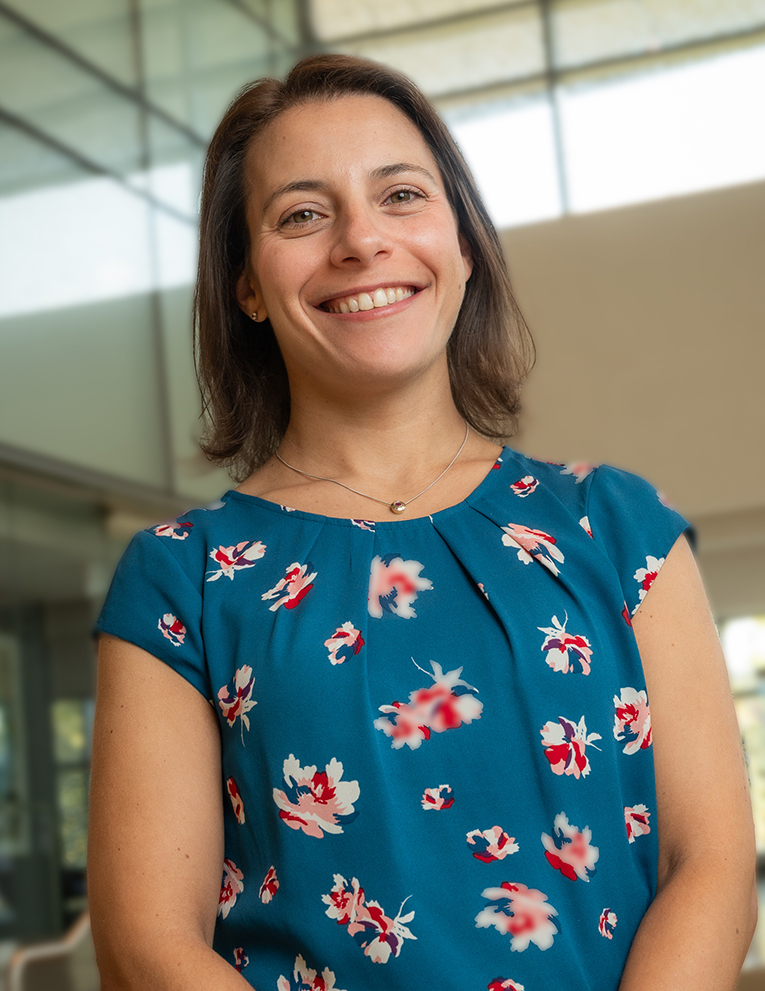
Photo by: Jennifer Bishop
Johns Hopkins pediatrician Rebecca Seltzer executive-produced a short documentary, “Feels Like Home”: Lived Experiences of Children with Medical Complexity and Their Families, which brings viewers into the lives of three families caring for children with medical complexity.
What led to this film?
Our research shows the challenges children with medical complexity and their families face in homes that do not meet their needs. So often, people who are making decisions about kids with complex medical needs, whether they be policymakers or pediatricians, never get a glimpse into what life is like at home for them.
For these kids, home is everything. It’s family. It’s socialization. For many, it’s also schooling. And it’s health care — they have these mini-hospitals in their homes. Our goal was to use storytelling and audiovisual tools to show the challenges of navigating all of that, but also that these are just kids who deserve to thrive in their homes.
How did it come together?
I partnered with Lauren Arora Hutchinson, director of the iDeas Lab at the Berman Institute of Bioethics, for a 2024 Johns Hopkins Discovery Award. We recruited families through various listservs and chose three that captured a diversity of experiences.
At first, we were going to send film crews into the homes. As we talked more, we thought it would be more immersive and respectful for the families to film on their cellphones.
Turning all that footage into a 14-minute film was a team effort. We also relied on guidance from parent partners with lived experience, along with consultation from Bonnielin Swenor, director of the Johns Hopkins Disability Health Research Center.
When we pre-screened it in April at a home accessibility event at Johns Hopkins University School of Nursing, it was so rewarding hearing from families, including one of the featured families, that we got it right.
What are the next steps for this project?
We plan to officially launch the film this fall on an interactive website that shares background about the families, and more information about the medical and policy terms we use. We’re also making a longer audio documentary to really center the child perspective.
We hope the film can be used to educate and advocate for improved access to home modifications and supports for these children and families.
Learn more: www.feelslikehomefilm.org