Research & Clinical Trials
The Head and Neck Cancer Center hosts a diverse team of researchers interested in advancing the knowledge about head and neck cancer with the ultimate goal of translating it to patient care. We collaborate with a diverse team of experts and the Bloomberg~Kimmel Institute for Cancer Immunotherapy.
General Contact: Clinical Trials Core, Department of Otolaryngology-Head and Neck Surgery [email protected]
Research Publications
- Evaluation of the Incidence of Human Papillomavirus–Associated Squamous Cell Carcinoma of the Sinonasal Tract Among US Adults
- Human Papillomavirus-Related Carcinomas of the Sinonasal Tract
- Surgeon Volume and Laryngectomy Outcomes
- Node Count as a Quality Indicator in Surgically Treated Mucosal Head and Neck Squamous Cell Cancer
- Research and Clinical Innovations in Laryngology at Johns Hopkins
Trials for Patients Who've Been Diagnosed With a Head and Neck Cancer for the First Time
A Phase II trial of Cemiplimab, or Cemiplimab-chemotherapy, followed by biomarker-guided treatment for patients with HPV head and neck cancer (MINIMA)
- IRB00259330, NCT04988074
Contact: Nyall London, M.D., Ph.D. (301-896-3332 or [email protected]) and Zubair Khan, M.D. (410-955-3157 or [email protected])
Principal Investigator: Nyall London, M.D., Ph.D.
Objective: To determine if it is feasible to use neoadjuvant immunotherapy (or immunotherapy plus chemotherapy) to reduce treatment intensity and improve long-term quality of life while maintaining very high cure rates.
Eligibility Criteria: Subjects must have pathologically confirmed HPV-positive head and neck squamous cell carcinoma of the oropharynx. Confirmed HPV-positive disease of other subsites are uncommon but also eligible.
Nivolumab Alone or Plus Relatlimab or Ipilimumab for Patients With Locally-Advanced Unresectable or Metastatic Basal Cell Carcinoma
- IRB00166274, NCT03521830
Principal Investigator: William Sharfman, M.D. ([email protected])
Objective: This is a phase 2 trial assessing the efficacy of nivolumab, alone or in combination with relatlimab or ipilimumab in treating patients with locally-advanced unresectable or metastatic basal cell carcinoma.
Eligibility Criteria:
- Locally-Advanced Unresectable or Metastatic Basal Cell Carcinoma (BCC).
- Patients must have disease that is not curable with surgery, or for whom surgery would be intolerable.
- Naïve to therapy, or have received a hedgehog inhibitor (e.g., Erivedge, Odomzo) and/or anti-PD-1
Neoadjuvant Chemotherapy and PD-1 Inhibition for Head and Neck Cancer Treatment De-Escalation (NEOSCORCH HN)
IRB: IRB00490896
Contact: Nyall London, M.D., Ph.D. (301-896-3332 or [email protected]) and Zubair Khan, M.D. (410-955-3157 or [email protected])
Principal Investigator: Nyall London, M.D., Ph.D.
Objective: The NEOSCORCH HN study is a Phase II trial enrolling up to 75 patients with locoregionally advanced head and neck cancers to evaluate neoadjuvant chemotherapy combined with PD-1 inhibition prior to curative-intent treatment. The study examines whether this approach can safely induce deep pathologic responses that enable response-adaptive treatment de-escalation and organ preservation. Tumor tissue and blood samples are collected to assess immune response, biomarkers, and clinical outcomes across three head and neck cancer cohorts.
Eligibility Criteria: People 18 years or older with pathologically confirmed HPV-independent head and neck cancer or sinonasal or skull base tumors.
Trials for Patients Who Have Head and Neck Cancer For a Second Time or Has Returned
Neoadjuvant Chemotherapy and PD-1 Inhibition for Head and Neck Cancer Treatment De-Escalation (NEOSCORCH HN)
IRB: IRB00490896
Contact: Nyall London, M.D., Ph.D. (301-896-3332 or [email protected]) and Zubair Khan, M.D. (410-955-3157 or [email protected])
Principal Investigator: Nyall London, M.D., Ph.D.
Objective: The NEOSCORCH HN study is a Phase II trial enrolling up to 75 patients with locoregionally advanced head and neck cancers to evaluate neoadjuvant chemotherapy combined with PD-1 inhibition prior to curative-intent treatment. The study examines whether this approach can safely induce deep pathologic responses that enable response-adaptive treatment de-escalation and organ preservation. Tumor tissue and blood samples are collected to assess immune response, biomarkers, and clinical outcomes across three head and neck cancer cohorts.
Eligibility Criteria: People 18 years or older with pathologically confirmed HPV-independent head and neck cancer or sinonasal or skull base tumors.
Combination Radiotherapy and Radiopharmaceutical Therapy Treatment Planning for Thyroid Cancer
- IRB00241274, NCT04892303
Principal Investigator: Harry Quon, M.D.([email protected])
Objective: The goal of this study is to evaluate combined radioactive iodine (RAI, 131-I) and external beam radiotherapy (XRT) to optimize the radiation dose delivered to treat well differentiated thyroid cancers (DTC) with iodine-avid metastases.
Eligibility Criteria:
- Histologically confirmed papillary or follicular thyroid carcinoma- collectively referred to as: differentiated thyroid carcinoma
- Must have non-resectable macroscopic invasion into cervical soft tissue and or non-resectable distance metastases. Creatinine clearance >70 ml/min/1.73 m2 or normal GFR
Nivolumab in Treating Patients With Autoimmune Disorders and Advanced, Metastatic, or Unresectable Cancer
- IRB00210239, NCT03816345
Principal Investigator: Julie Brahmer, M.D. ([email protected])
Objective: This phase Ib trial studies the side effects of nivolumab and to see how well it works in treating patients with autoimmune disorders and cancer that has spread to other places in the body or cannot removed by surgery. Immunotherapy with monoclonal antibodies, such as nivolumab, may help the body's immune system attack the cancer, and may interfere with the ability of tumor cells to grow and spread.
Eligibility Criteria:
- Locally advanced unresectable or metastatic basal cell carcinoma (BCC).
- HIV infected patients on effective antiretroviral therapy w/ undetectable viral load within 6 month-permitted
- Autoimmune focus: Dermatomyositis, psoriasis, rheumatoid arthritis, Sjogren’s, ulcerative colitis, systematic lupus erythematosus, systemic sclerosis, dermatomyositis, psoriasis or psoriatic arthritis
Nivolumab Alone or Plus Relatlimab or Ipilimumab for Patients With Locally-Advanced Unresectable or Metastatic Basal Cell Carcinoma
- IRB00166274, NCT03521830
Principal Investigator: William Sharfman, M.D. ([email protected])
Objective: This is a phase 2 trial assessing the efficacy of nivolumab, alone or in combination with relatlimab or ipilimumab in treating patients with locally-advanced unresectable or metastatic basal cell carcinoma.
Eligibility Criteria:
- Locally-Advanced Unresectable or Metastatic Basal Cell Carcinoma (BCC)
- Patients must have disease that is not curable with surgery, or for whom surgery would be intolerable.
- Naïve to therapy, or have received a hedgehog inhibitor (e.g., Erivedge, Odomzo) and/or anti-PD-1
Observational Studies
Study of HPV in sinonasal carcinomas: Retrospective analysis association of human papillomavirus (HPV) serology and behavioral risk factors
- IRB00270617, NCT04979000
Contact: Nyall London, M.D., Ph.D. (301-896-3332 or [email protected]) and Zubair Khan, M.D. (410-955-3157 or [email protected])
Principal Investigator: Nyall London, M.D., Ph.D.
Objective: To evaluate the role of anatomic site, gender and race in human papillomavirus-associated head and neck squamous cell cancers (HNSCC). We will explore the role of HPV, tobacco, alcohol and drug use in HNSCC by tumor site with particular emphasis on the sinonasal cavity, as well as differences in risk factors for HPV-positive HNSCC by gender and race.
Eligibility Criteria: Patients must be 18 years of age or older with a confirmed or suspected diagnosis of sinonasal cancer.
Understanding Tobacco Use and Spending as a Modifiable Risk Factor for Financial Toxicity in Lung and Head and Neck Cancers
- IRB00407678
Principal Investigator: Leila Mady, M.D. ([email protected])
Eligibility Criteria:
- Must be older than 18
- English speaking with newly diagnosed lung, oral cavity, larynx, pharynx cancer
- Current smoker (defined as actively smoking at time of dx or within one month of dx)
- Newly diagnosed
Biospecimen Collection Studies
Molecular Surveillance for Squamous Cell Carcinoma of the Upper Aerodigestive Trial
IRB: NA_00037133
Contact: Wayne Koch M.D. (410-955-4906 or [email protected]) and Zubair Khan, M.D. (410-955-3157 or [email protected])
Principal Investigator: Wayne Koch M.D.
Objective: This biomarker study enrolls adult patients with suspected or confirmed head and neck squamous cell carcinoma (HNSCC) undergoing routine clinical care to collect tumor tissue, blood, and saliva for molecular analysis. The study evaluates genetic and epigenetic alterations—including promoter hypermethylation and tumor-specific mutations—to develop sensitive and specific assays for early detection, monitoring, and surveillance of head and neck cancer.
Eligibility Criteria: People have either biopsy proven, or clinically suspicious lesions thought to represent squamous cell carcinoma of the mucosa of the upper aero digestive tract, salivary glands or soft tissues of the head and neck.
Detection of Genetic Alterations in Head and Neck Tumors
IRB: NA_00036235
Contact: Wayne Koch M.D.(410-955-4906 or [email protected]) and Zubair Khan, M.D. (410-955-3157 or [email protected])
Principal Investigator: Wayne Koch M.D.
Objective: This study evaluates molecular alterations in benign, premalignant, and malignant head and neck and selected lung lesions. Adults with suspicious lesions of the upper aerodigestive tract, salivary glands, soft tissues of the head and neck, or selected lung lesions will provide tissue, blood, and saliva samples. Specimens will undergo molecular analyses, and findings will be correlated with clinical data, including tumor characteristics, recurrence, and survival outcomes.
Eligibility Criteria: People have suspicious lesions thought to represent premalignant, benign neoplastic or malignant lesions of the mucosa of the upper aerodigestive tract, salivary glands or soft tissues of the head and neck.
Research Team
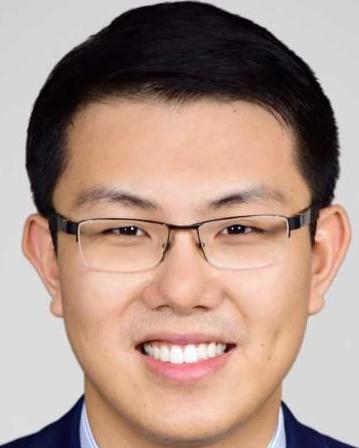
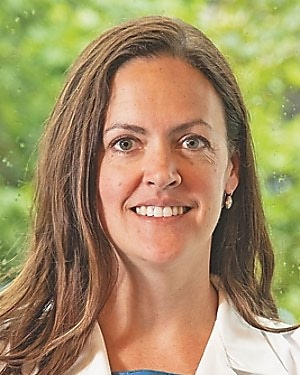
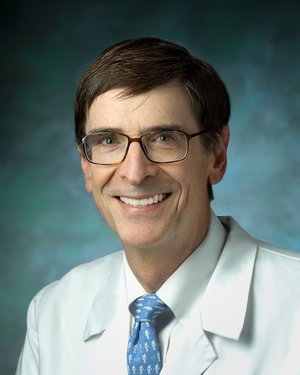
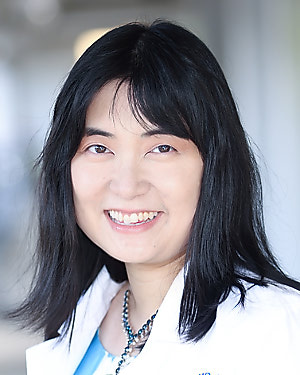
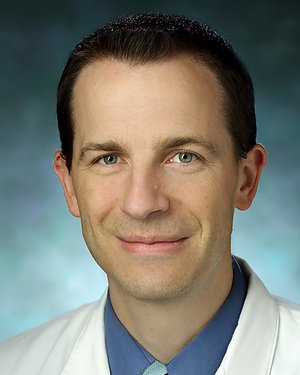
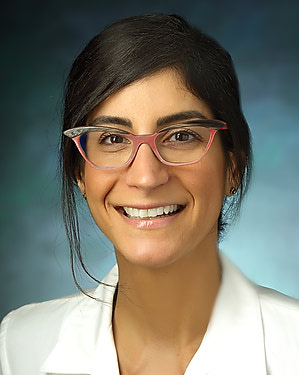
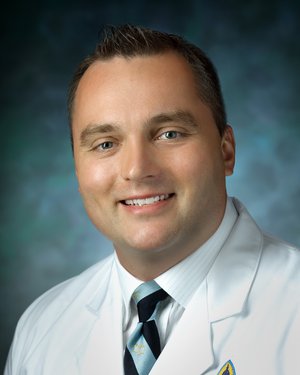
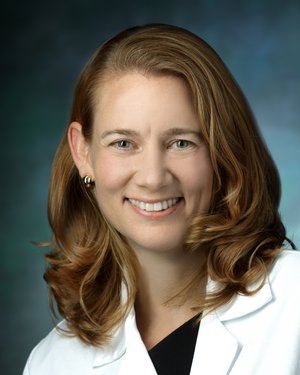
Learn more about each researcher's areas of study and publications in their profile.