Skip Navigation


Print This Page
Share this page: More
 

Swim Across America

Swim Across America

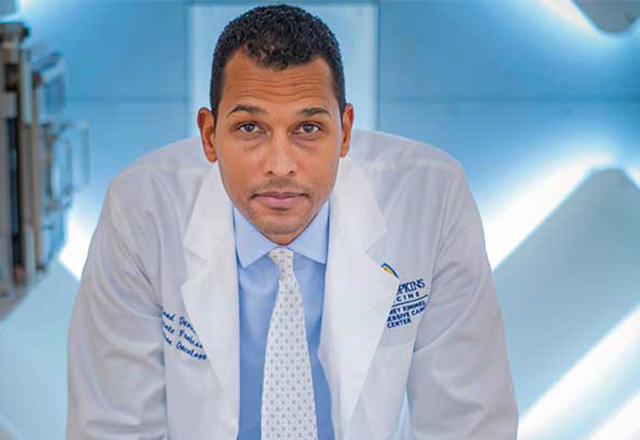
Swim Across America, Inc., an organization of volunteer swimmers and friends and family members of cancer patients that raises money for cancer research through swim events, has funded a laboratory at the Johns Hopkins Kimmel Cancer Center headed by oncologist Luis Diaz, M.D. We gratefully acknowlege the support of Capital One Bank as our presenting sponsor for Swim Across America Baltimore.

Swim Across America 2012 Event Recap:

The Baltimore swim took place Sunday, September 23 with more than $450,000 raised and counting. The event included close to 800 swimmers and 200 volunteers. As in the past two years, two events happened simultaneously – a pool swim at Meadowbrook Aquatic and Fitness Center and a 1-mile and 3-mile open water swim on the Magothy River in Pasadena. New this year were “affiliated swims” at other places but benefitted Swim Across America Baltimore: Stoneleigh Community Pool in Baltimore, Fins for a Cure in Annapolis, and Raider’s Rally at the College of Southern Maryland.

Highlights from the 2012 Open Water Swim


Swim Across America Olympians Visit the Swim Across America Laboratory and the Pediatric Oncology Unit


Why We Swim

Making waves to fight cancer, Team Bear explains why they swim

We gratefully acknowledge the support of the Meadowbrook Aquatic Center in Baltimore, Maryland and the Michael Phelps Swim School for generously providing training and the facility for Swim Across America Baltimore.

Support Swim Across America Baltimore:


What Swim Across America Baltimore Supports at Johns Hopkins

Swim Across America Research LabSwim Across America Lab

Among the promising new discoveries we're working on in the Swim Across America laboratory is a personalized test that can tell, with 100 percent sensitivity and specificity, if a person is cured with surgery or if there are cancer cells left behind that will require additional treatment. It also will monitor the progression of each person's cancer and the response to treatment, alerting clinicians to a recurrence of disease. Continued support from Swim Across America allows us to be on the forefront of applying innovative personalized cancer medicine to benefit

Since its inception at Hopkins, the laboratory has been part of two major publications in Science and Clinical Cancer Research: The discovery of key mutations in a rare pancreatic tumor, and investigations studying the tumor margins of colorectal cancer metastases. A major study of circulating tumor DNA now underway should affect how we monitor and detect more than a dozen tumor types. In addition, this will have implications for using circulating tumor DNA as a personalized biomarker for early detection and determining if a patient is cured after surgery. A clinical trial using tumor necrosis factor (TNF) and nanoparticles, is in development. Continued support from Swim Across America allows us to be on the forefront of applying innovative personalized cancer medicine to benefit patients and their families.

Watch a video tour of the Swim Across America laboratory.

Listen to Dr. Diaz discuss the importance of Swim Across America’s funds.

Swimathon to Be Held to Support The Swim Across America Laboratory


Get Involved: Donate, Swim or Volunteer

Michael Phelps and Bill NelsonFind out how you can help support this year's Swim Across America Baltimore event. Swim, volunteer, donate or give to help raise funds to support the Swim Across America Laboratory at Johns Hopkins. You can make a difference.


New Activities for 2012

The clinical projects are:

  • A clinical trial for pancreas cancer led by Dr. Dung Le and Phase 1 trial (all solid tumors eligible) Dr. Matthias Holdhoff.
  • A colorectal survivorship clinic. This specialized clinic, provides patients who have completed treatment a surveillance care plan including tests that need to be done and addressing long-term effects of treatment. Under the direction of Dr. Luis Diaz, patients are seen by oncology nurse Maura Kadan.
  • A couples’ survivorship retreat for individuals with metastatic disease. This weekend event, scheduled for October 5-7, 2012, will address the unique needs of couples who are facing advanced cancer.

The laboratory discovery projects under way are:

  • Genome sequencing to inform personalized medicine decisions.
  • Circulating tumor DNA to detect more than a dozen tumor types including ovarian, cervical, breast, lung and colon cancer. Investigator Dr. Luis Diaz and colleagues anticipate that circulating tumor DNA will be used as a personalized biomarker for early detection and determining if a patient is cured after surgery.

Swim Across America Clinical Trials:

Phase 1 Study for Patients with Advanced Solid Tumors or Lymphomas

The effective treatment of advanced solid tumor cancers (those of that form in organs or other body parts) continues to be a major challenge.  Once a cancer has progressed outside of its original source, it is commonly associated with a poor prognosis.

One of the innovative ways that Johns Hopkins cancer experts are tackling this problem is by finding new ways to deliver cancer fighting drugs and help those drugs find their target --- the tumor cell.

With support from Swim Across America Baltimore, Dr. Matthias Holdhoff , together with Dr. Luis Diaz are leading a Phase 1 study  using a combination of rhTNF-alpha (Recombinant Human Tumor Vecrosis Factor-alpha) and liposomal doxorubicin.  It is a novel strategy that harnesses the properties of both agents in order to achieve better and more selective drug delivery.  The study is the first in humans, building on promising preclinical data by members of the Ludwig Center for Cancer Genetics and Therapeutics at Johns Hopkins.   

Phase 2 Study for Patients with Metastatic Pancreatic Cancer

With support from Swim Across America Baltimore, Dr. Dung Le, a medical oncologist at the Johns Hopkins Kimmel Cancer Center is leading a Phase 2 study  for patients with advanced stage pancreas cancer, limited to  those whose cancer has spread to other organs (metastatic).

Patients in this trial will receive a combination of chemotherapy drugs rather than one at a time. With this approach, patients are most likely to tolerate therapy because of the lower doses and to decrease the likelihood of developing cells that are resistant to the cancer fighting drugs than when the drugs are given sequentially. It also has been shown that when drugs are given in combination, patients can receive smaller doses and still receive a long-term benefit.

Dr. Le will be measuring effectiveness by looking for tumor markers in the blood and determining if patients survive longer.


Swim Across America Celebrates 25 Years

The organization held its first swim event in the Baltimore area on Sept. 19, attracting 600 participants, including many Johns Hopkins employees, students and staff.

Swim Across America - Dr. Luis Diaz on Research on ABC News


© The Johns Hopkins University, The Johns Hopkins Hospital, and Johns Hopkins Health System. All rights reserved.

Privacy Policy and Disclaimer