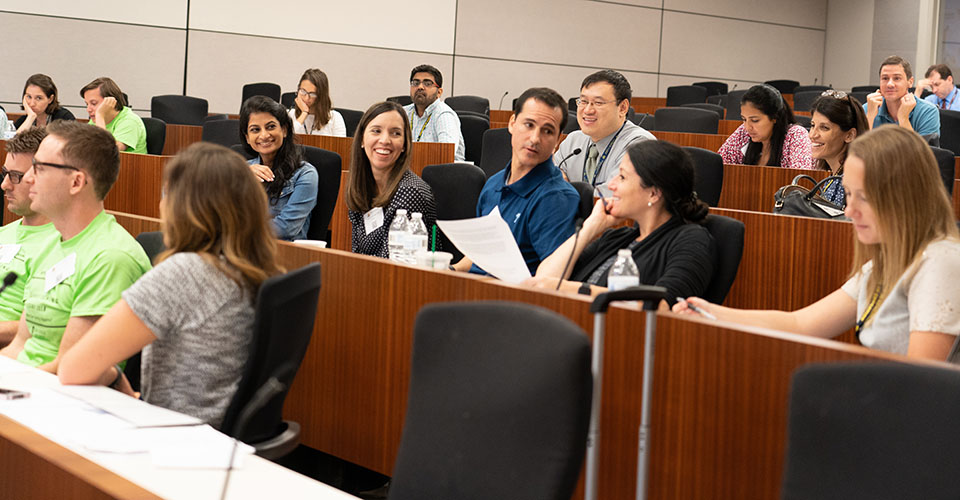
The mission of the Institute for Excellence in Education (IEE) is to promote, value and advance the educational mission of the School of Medicine while enhancing the school's leadership role in medical and biomedical education. To guide this mission, IEE has identified four guiding principles or "pillars" into which all of our decisions, work and programs are aligned.
For the 2025-2026 academic year, the IEE is highlighting the theme “IEE: Catalyzing Educational Scholarship and Innovation.”
Explore the Pillars of Our Mission
-
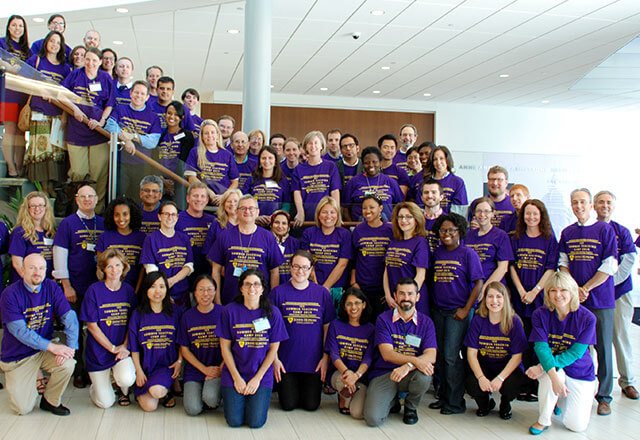
Pillar I
Improving Teaching
-
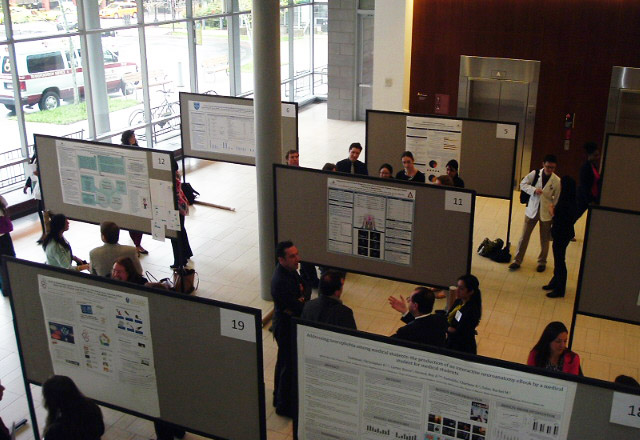
Pillar II
Inspiring and Supporting Research, Scholarship and Innovation in Education
-
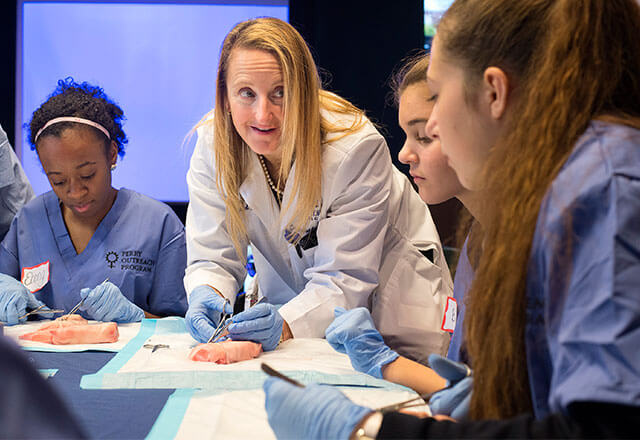
Pillar III
Valuing Educators and Education
-
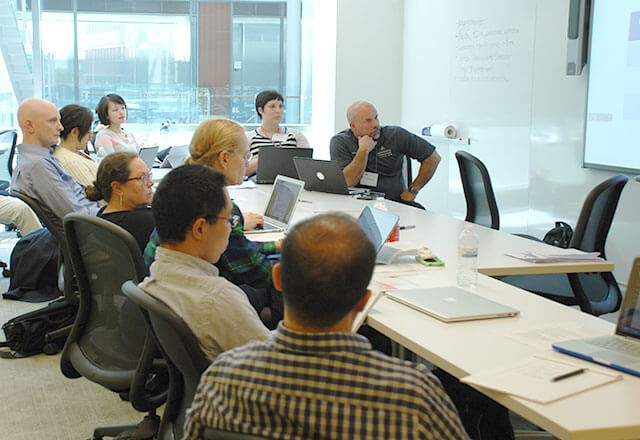
Pillar IV
Fostering a Community of Educators
IEE Calls to Action
Funding Opportunities
Apply for grant funding through our small grants program, or submit a proposal to be considered for IEE Education Shark Tank.
Nominations
The IEE Outstanding Educator Awards are designed to recognize and celebrate our outstanding educators and acknowledge great achievements in education. The awards are open to any full- or part-time faculty members of the School of Medicine, and are peer nominated, reviewed and selected.
Present Your Scholarship
Submit a scholarship or innovation abstract to be considered for the upcoming IEE Education Conference and Celebration. We invite you to submit abstracts in all areas of medical, biomedical, nursing or public health education.
Upcoming Events
-
10 APRIL 2026
Education Conference and Celebration
9:00 AM - 5:00 PM -
10 APRIL 2026
Medical and Biomedical Education Grand Rounds Brian T. Garibaldi, MD, MEHP
9:00 AM - 10:15 AM -
12 MAY 2026
Medical and Biomedical Education Grand Rounds
Meg G. Keeley, MD
4:00 PM - 5:00 PM -
31 JULY 2026
REGISTRATION OPEN
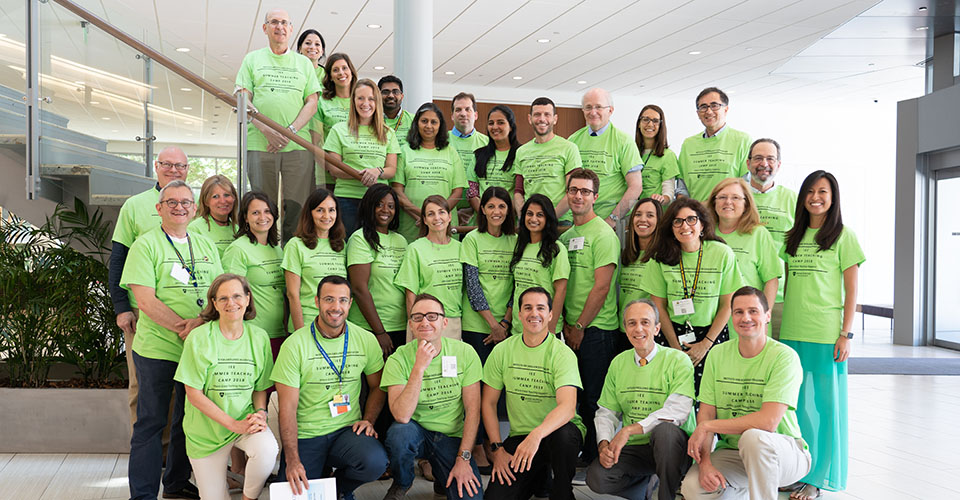
Summer Teaching Camp
8:00 AM - 5:00 PM
Armstrong Medical Education Building, 4th Floor
Our Community of Educators