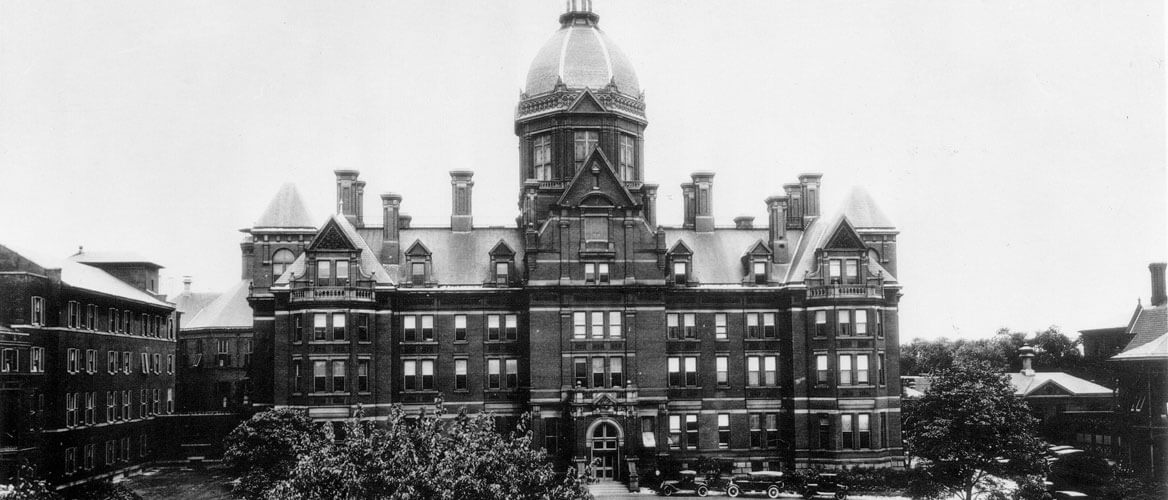
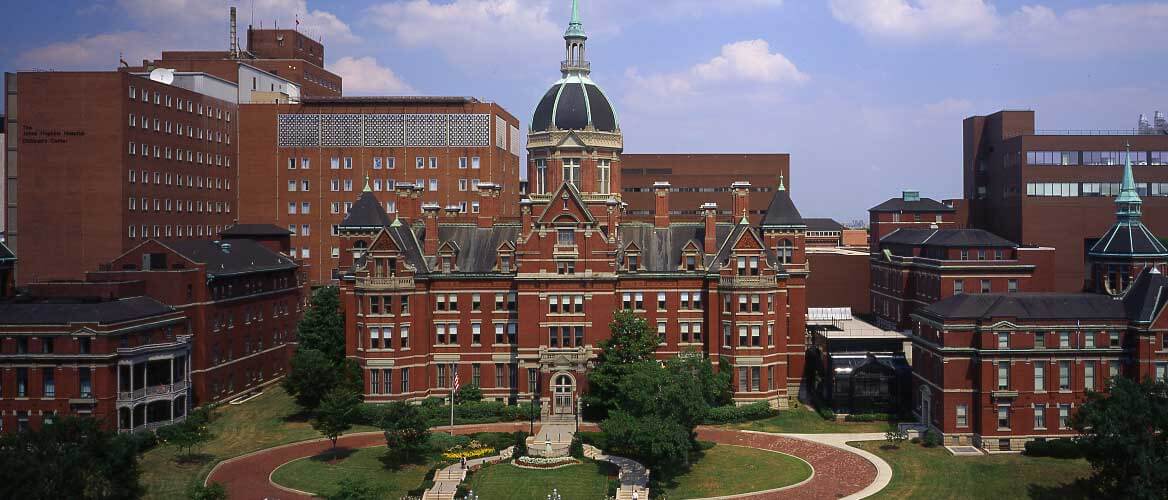
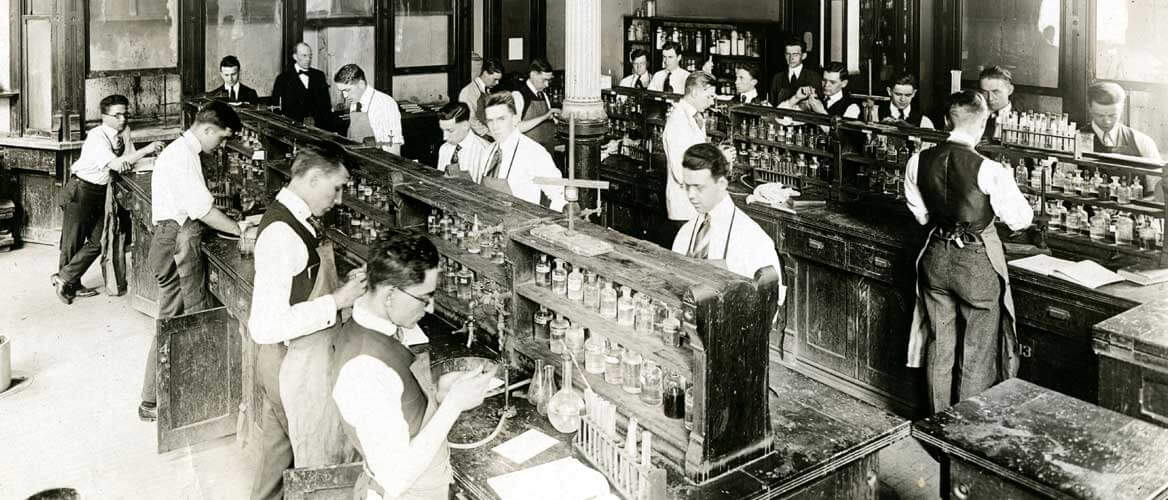
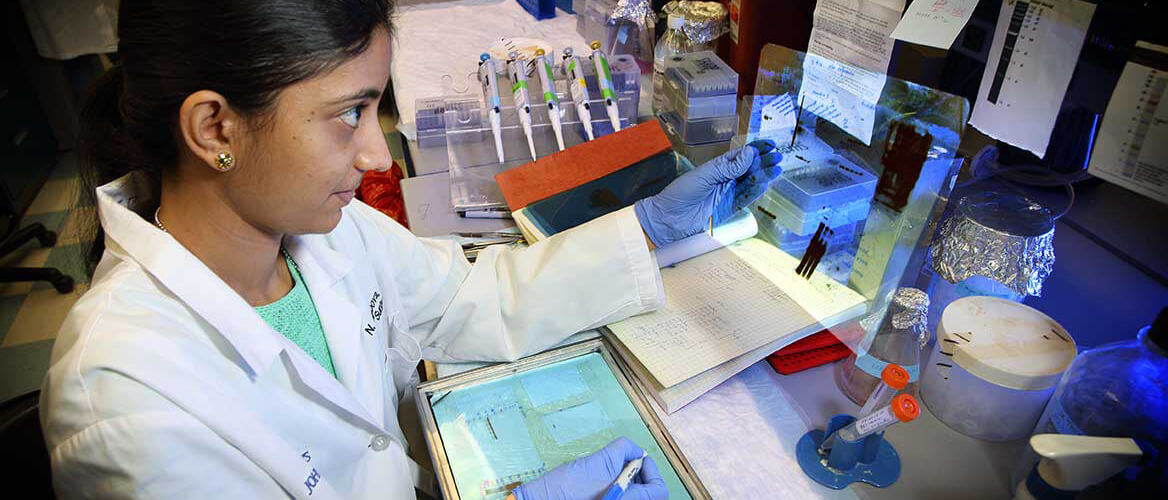
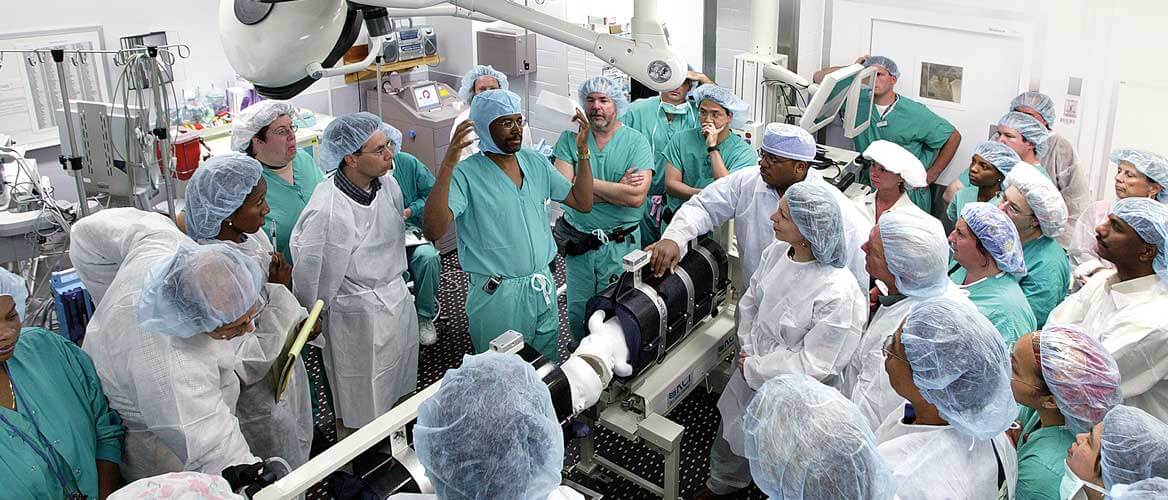
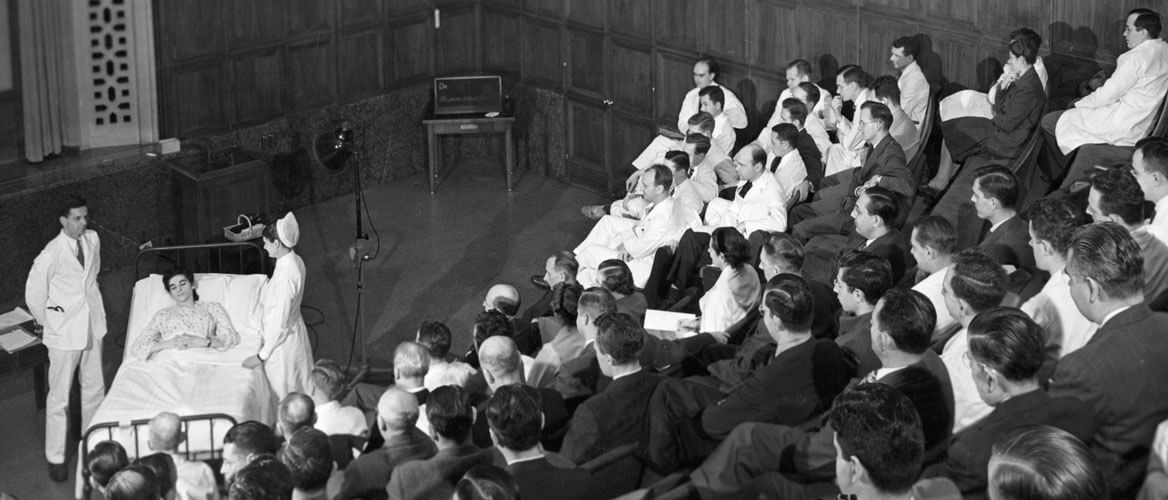
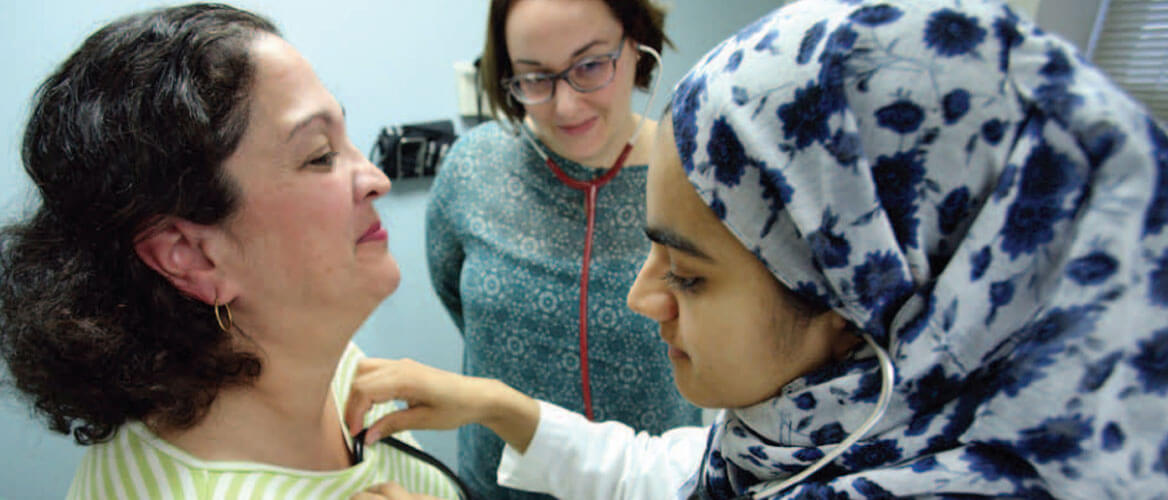
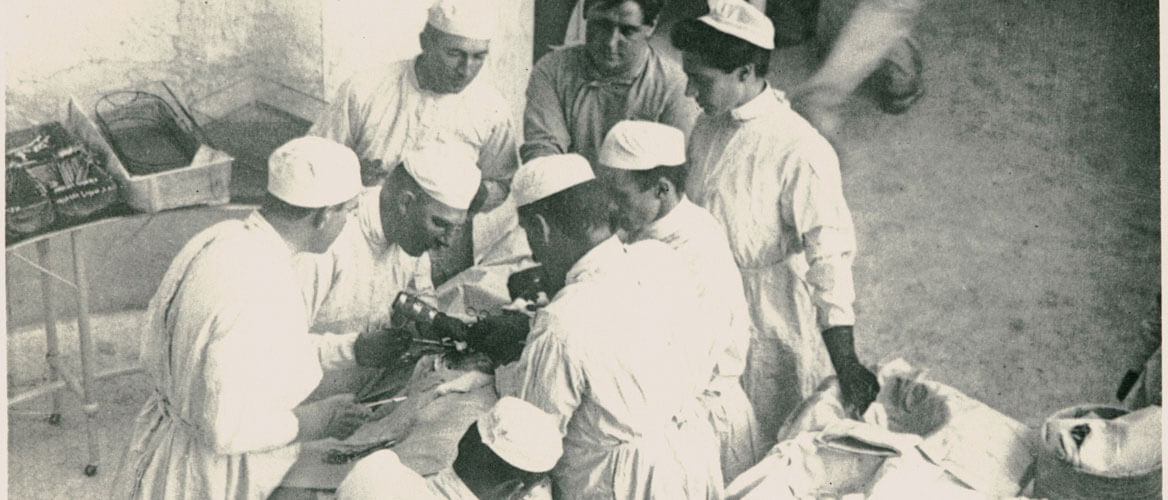
Johns Hopkins Medicine has a rich history rooted in philanthropy, diversity, inclusion and a passion for innovation. Over more than 125 years since the founding of the Johns Hopkins Hospital and the opening of the Johns Hopkins University School of Medicine, we've made significant advancements that helped set a standard for other institutions and shape the medical field into what it is today.
The History of Our Hospitals
A Storied History
-
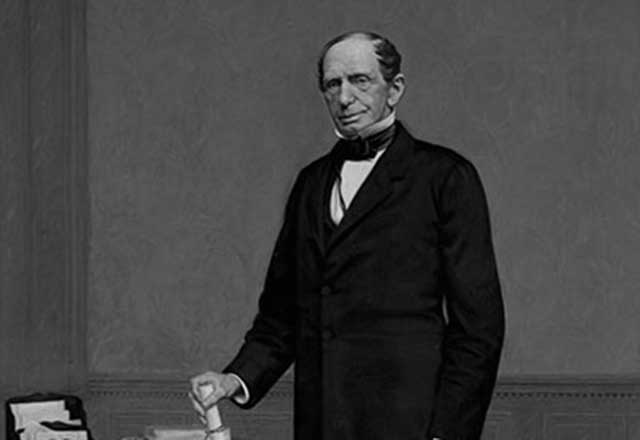
Who Was Johns Hopkins?
From grocer to philanthropist, a man named Johns Hopkins laid out a plan to use his wealth to establish a hospital that would provide care to anyone, regardless of sex, age or race.
-
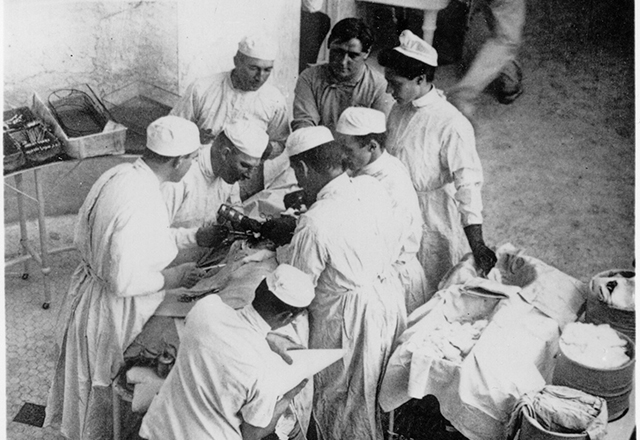
History of Medical Innovation
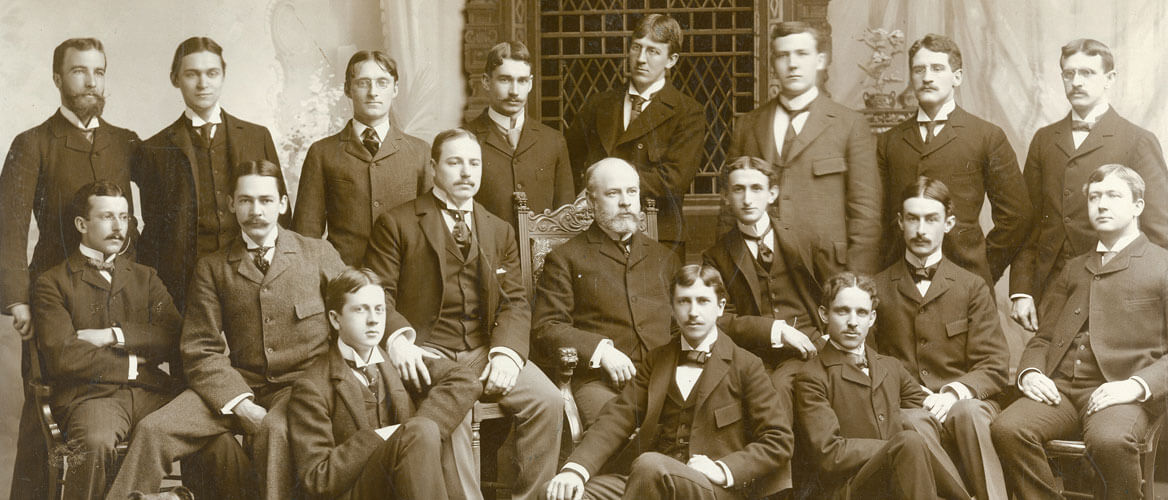
Johns Hopkins counts many "firsts" among its achievements, including the first to use rubber gloves during surgery and the first to develop renal dialysis and cardiopulmonary resuscitation.
-
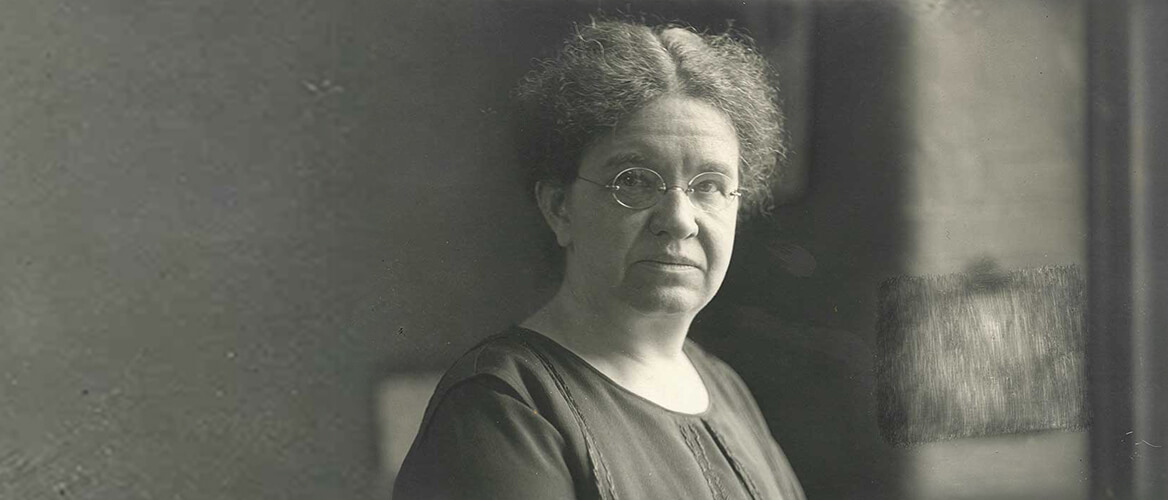
The Role of Women in Johns Hopkins History
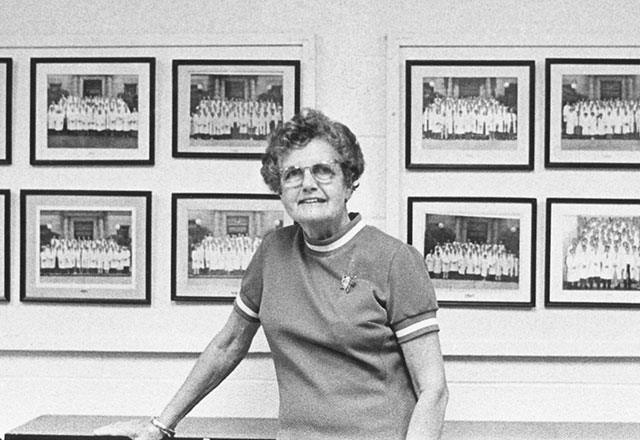
From the first Johns Hopkins’ medical school class to present day, women have grown to be an integral part of John Hopkins Medicine.
Values That Withstood the Test of Time
Nearly a century and a half ago, our founder, Mr. Johns Hopkins, wrote a letter in which he established his vision for and values of The Johns Hopkins Hospital and Johns Hopkins School of Medicine. Those values – respect, dignity, integrity, inclusion, excellence, and diversity – still ring true today. They continue to provide us with inspiration and direction.
Johns Hopkins Medicine: Then and Now