
The Wilmer Eye Institute is the largest department of ophthalmology in the United States and is an internationally-recognized research enterprise. Wilmer receives more funding from the National Eye Institute than any other university system, and is a leading recipient of research funding in the nation.
Wilmer is a thriving place for basic, clinical and translational research. Our researchers are thought leaders in the realm of discovery, dedicated to alleviating human suffering from eye disease by transforming ophthalmic care through innovative research. Our collaboration with multidisciplinary, world-renowned experts in fields such as gene therapy, nanotechnology, and stem cell research, have resulted in groundbreaking discoveries and therapies that enable us to change the way the world sees.
Our Research Teams
-
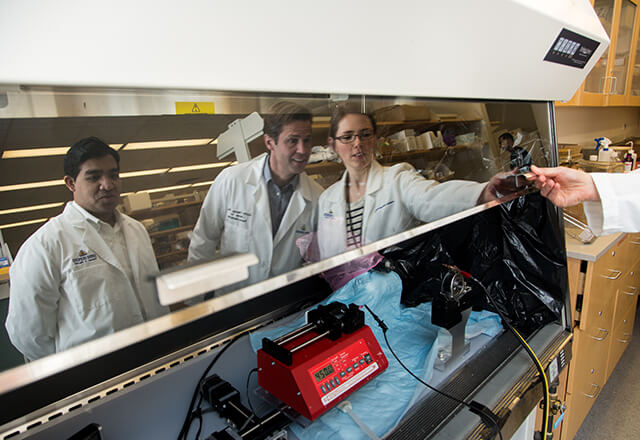
The Center for Nanomedicine
A unique translational nanotechnology enterprise that brings engineers, scientists and clinicians together on the translation of novel drug and gene delivery technologies
-
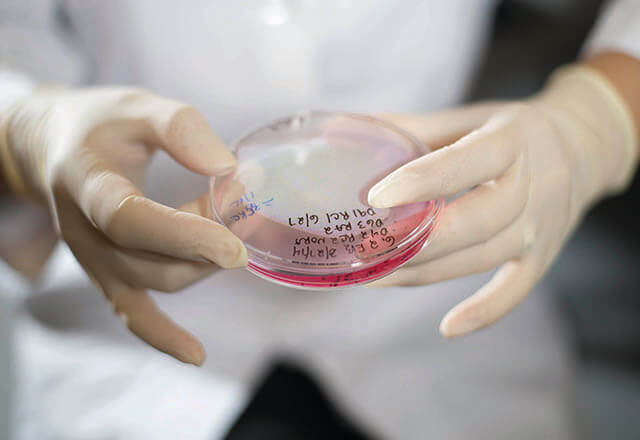
The Center for Stem Cells and Ocular Regenerative Medicine (STORM)
A pioneering, collaborative research effort across Johns Hopkins to study and cure vision loss and blindness through regenerative medicine
-
Wilmer Core Research Centers
In support of a highly collaborative, interdisciplinary environment of research resource centers known as the Wilmer Core

-
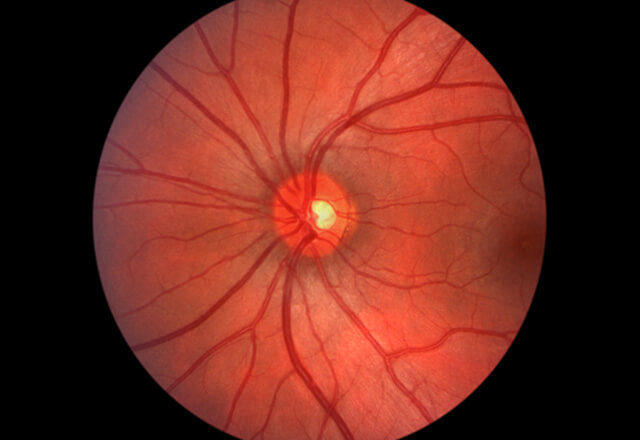
Cornea, Cataract & External Disease
Aimed at improving the diagnosis, management and treatment of corneal and external disease problems
-
Dana Center for Preventive Ophthalmology
Focuses on national and international public health prevention of blinding eye diseases such as diabetic retinopathy, trachoma and glaucoma

-
Disability Research
Aims to improve the health of people with visual impairments and other types of disabilities

-
The Gills Artificial Intelligence Innovation Center at Wilmer
Our mission is to be the premiere, world-leading, academic-based center for artificial intelligence in ophthalmology.

-
Imaging
Our faculty are pioneering new imaging technologies, and novel applications in ophthalmology to advance our fundamental understanding of vision and clinical cares for ophthalmic conditions.

-
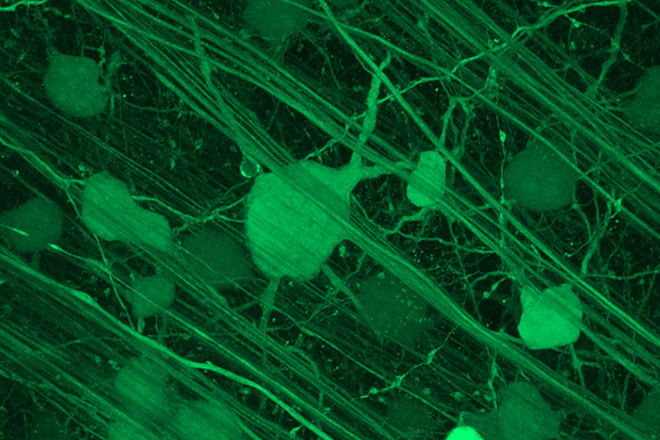
Microscopy at the Wilmer Eye Institute (MWEI)
MWEI comprises facilities for confocal and transmission microscopy, as well as imaging of tissue cultures and frozen sections that contribute to research into ocular disorders and allied health problems for those who access its facilities.
-
Neuro-Ophthalmology
Aims to advance the prevention and treatment of neuro-ophthalmic disorders through groundbreaking research.

-
Ocular Immunology
Focused on the causes and treatments of ocular inflammatory diseases, including uveitis, intraocular inflammation, scleritis and iritis.

-
Oculoplastics
Currently focused on structures around the eyes and their relation to ocular diseases and orbital trauma, as well as their treatments.

-
Pediatric Ophthalmology & Adult Stabismus
Focuses on detection, management and treatment of pediatric and adult forms of strabismus and amblyopia.

-
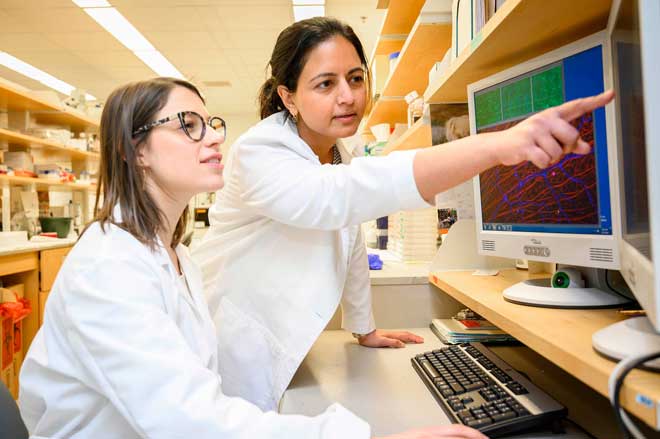
Retina
Includes projects and multiple labs engaged in groundbreaking discoveries aimed at transforming the study and treatment of retinal diseases.
-
Translational Tissue Engineering Center (TTEC)
A joint venture of Wilmer and the Department of Biomedical Engineering to establish focus in research, education, and industrial development in regenerative medicine

-
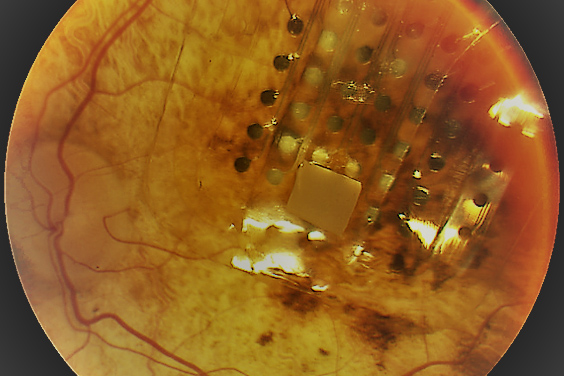
Ultra Low Vision
Focused on assessing and enhancing the functional visual abilities of individuals with ultra-low vision.
-
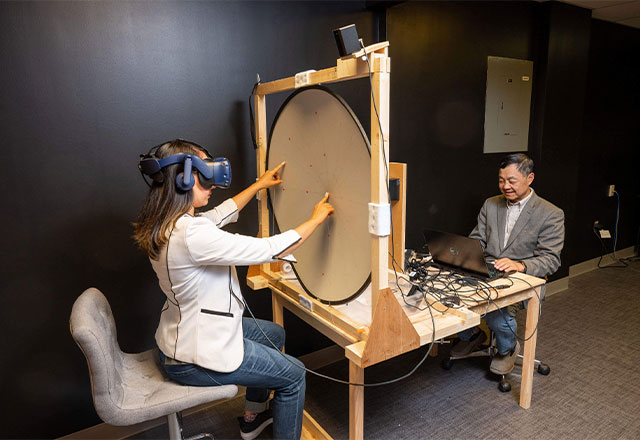
Vision Rehabilitation
Our research faculty are committed to discovering new and innovative ways to improving the lives of patients with low vision and to improving their vision rehabilitation outcomes.
-
Multisensory Research
The Multisensory Research lab translates sensory science into innovative rehabilitation solutions for people with multiple sensory impairments.

Support Wilmer Research
Online
Over the Phone
Download our giving form to mail in your generous donation.