Pink Eye
Featured Expert

What You Need to Know
- Pink eye can be caused by bacteria, viruses, chemicals or allergies.
- While pink eye can be a result of a minor infection that can resolve on its own, it can also be the sign of a more serious problem.
- Pink eye can be contagious.
- Treatment of the condition varies based on the cause.
What are the symptoms of pink eye?
Pink eye symptoms vary based on the cause of the irritation or infection. Symptoms can include:
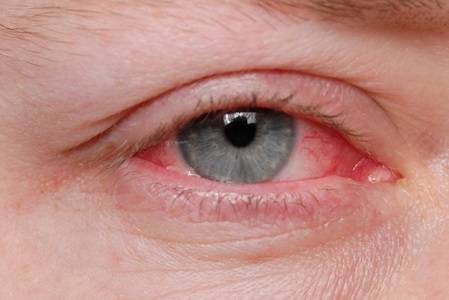
- Pink or red discoloration in one or both eyes
- Gritty feeling in one or both eyes
- Itching, irritation and/or burning sensation in the eyes
- Clear, thin drainage of liquid and increased shedding of tears
- Stringy and/or thick, white or green discharge from the eyes
- Eyelids that are matted together in the morning
- Swelling of the eyelids
- Blurred vision
What causes pink eye?
Pink eye has several causes.
- Bacteria: Bacteria can be transferred to one or both eyes through physical contact, poor hygiene (touching eyes with unclean hands), or use of contaminated makeup or face lotions.
- Viruses: Infection can be caused by viruses associated with the common cold, upper respiratory tract infection and, in rarer instances, herpes and sexually transmitted diseases.
- Chemicals: Facial or eye makeup, air pollution, chlorine in swimming pools or other toxic chemicals can cause irritation or inflammation in one or both eyes.
- Allergies/sensitivities: The eyes can have an adverse reaction to allergens or irritants such as pollen, mold, dust mites, cosmetics (even if hypoallergenic, high-end or organic), or contact lenses and solutions.
How is pink eye diagnosed?
Pink eye is usually diagnosed based on patient history and a comprehensive examination of the eye. Testing of eye drainage or discharge with swabs is not required except in unusual circumstances — for example, if there is an unusual amount of drainage, pus or corneal involvement. Only an eye specialist can diagnose what is causing pink eye, so it is important that you see an eye doctor regarding your condition.Pinkeye treatment
Treatment is determined by the cause of pink eye, patient history and the overall condition of the eye. Treatment can include:
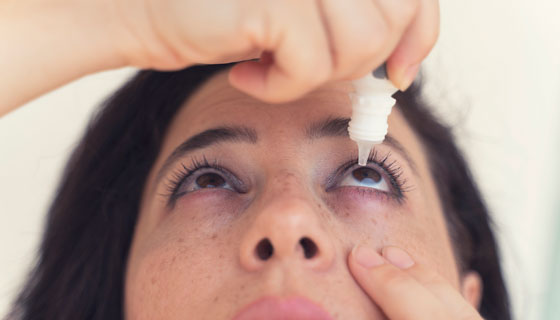
- Antibiotic and/or steroid drops or ointments
- Anti-viral eye drops or pills
- Allergy eye drops
- Artificial tears
Is pink eye contagious?
Pink eye can be contagious if it is caused by a virus. The risk of spread is higher when there is drainage from the eye. The virus can be survive on surfaces for up to two weeks.
To help prevent the spread of infection:
- Avoid touching your eyes with your hands.
- Wash your hands thoroughly and frequently. If you do not have access to a sink, use hand sanitizer.
- Change pillowcases often, do not share eye makeup or personal eye care products, and do not reuse tissues or hand towels on your face.
- Follow your eye doctor’s instructions about proper contact lens care.
Are there long-term pink eye complications?
Pink eye usually does not have long-term complications. Rarely, the cornea becomes chronically inflamed, leading to permanent vision problems. You should see an ophthalmologist if your pink eye does not resolve or if it gets worse after a week of treatment.When should I call my health care provider?
If the redness does not improve, or if symptoms get worse or new symptoms arise, see an ophthalmologist.Comprehensive Eye Care at the Wilmer Eye Institute
For treatments related to pink eye and other common conditions, the Wilmer Eye Institute's comprehensive eye care team is here to help.
Pink Eye in Babies and Children
Pink eye is common in children and newborn babies.
Children: Viral pink eye is one of the leading causes of school absence among children, with large outbreaks often seen in day care centers and schools.
Newborn babies: Though rare, newborn babies can get pink eye through a sexually transmitted disease such as chlamydia or gonorrhea that is passed on during childbirth.
Treatment is determined by your health care provider based on the cause of the infection, the child’s age, and how well the child can handle specific medications or therapies.
Other Eye Diseases Causing Redness
Corneal abrasion: A superficial scratch of the cornea causing sharp pain, increased shedding of tears and redness.
Foreign body in the eye: A foreign object can irritate the cornea or conjunctiva, causing redness and discomfort.
Dry eyes: Redness of the eye due to chronic irritation caused by inadequate tears that results in dryness of the cornea and conjunctiva.
Blepharitis: A chronic inflammation of the eyelid that may also cause recurrent styes.
Subconjunctival hemorrhage: A broken blood vessel can cause a bloodshot, red appearance on the white part of the eye with no pain or other symptoms.
Episcleritis: An inflammation of the tissue that lies between the conjunctiva and the white part of the eye.
Scleritis: An inflammation or infection of the white part of the eye.
Keratitis: An inflammation or infection of the cornea.
Uveitis: An inflammation of the middle layer of the eye that called uvea.
Acute glaucoma: A sudden increase in eye pressure causing redness, severe pain and decreased vision.