
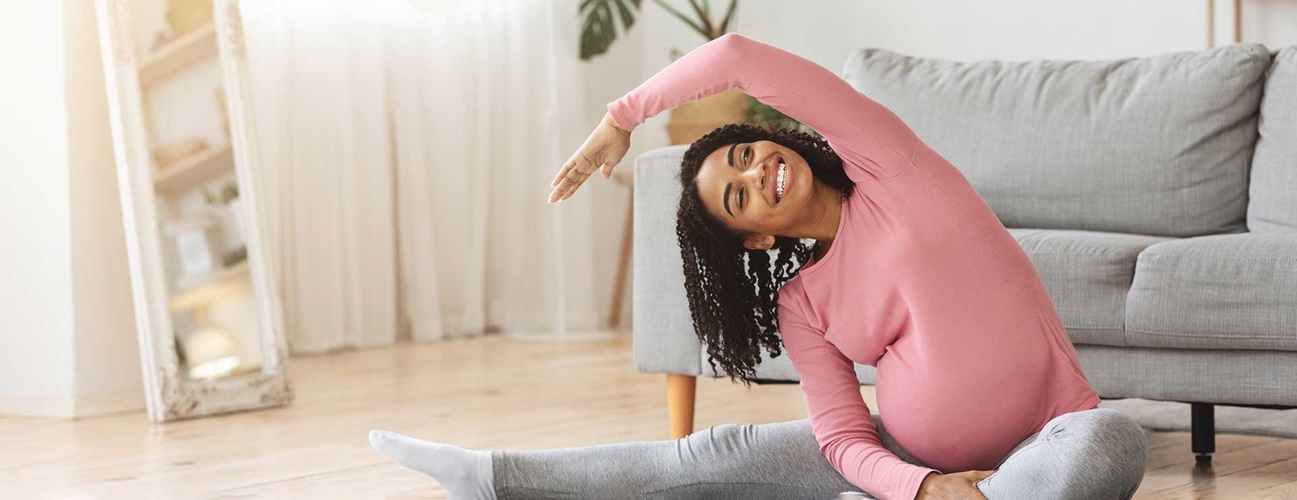
Exercise During Pregnancy
Regular exercise provides multiple health benefits during pregnancy. It can help reduce the symptoms of discomfort, manage certain prenatal health conditions and help with recovery after your baby is born. For example, exercise can be used as part of treatment for women with gestational diabetes, according to the World Journal of Diabetes.
Exercise is recommended for most women, regardless of their activity level prior to pregnancy. According to the American College of Obstetricians and Gynecologists, if you exercised and were physically fit before pregnancy, you can safely continue exercising throughout your pregnancy. If you’re a high-performance athlete, you can usually maintain your exercise regimen during pregnancy as long as your pregnancy is uncomplicated. However, you should talk with your health care provider and be more mindful of how you feel while exercising during pregnancy. If you were inactive before pregnancy, you can start exercising at a moderate pace.
Before beginning or continuing an exercise program during pregnancy, consult your health care provider or midwife for recommendations on safe activities and intensity levels. Certain complications and health conditions may limit your physical activity during your pregnancy.
Conditions That May Affect Exercise During Pregnancy
Exercise may not be safe if you have any of the following conditions:
-
Cervical problems
-
Decreased fetal activity or other complications
-
Dizziness and/or fainting
-
Leaking of amniotic fluid
-
Preterm labor in current or past pregnancies
-
Vaginal bleeding
-
Shortness of breath
-
Tachycardia (heart rate over 100 beats per minute)
Ideal Exercises During Pregnancy
The following exercises are recommended during pregnancy, as long as they are performed at a moderate pace. Always speak with your health care provider to find out what’s best for your individual pregnancy.
-
Walking
-
Elliptical exercises
-
Water exercises
-
Pilates
-
Yoga (avoid hot yoga, though, as you should stay hydrated and cool during pregnancy)
Exercises to Avoid During Pregnancy
You should avoid the following activities while pregnant:
-
Bike riding or any other activity that could cause a serious fall
-
Contact sports
-
Exercise involving holding your breath during exertion, which can cause an increased intra-abdominal pressure)
-
Exercising on your back after the first trimester (due to reduced blood flow to the uterus)
-
High-altitude skiing
-
Horseback riding
-
Scuba diving
-
Vigorous exercise in hot, humid weather (pregnant women are less efficient at exchanging heat)
-
Water skiing
Exercise is a huge component of postpartum weight loss. But the true value of exercise during and after pregnancy is the other incredible health benefits. Your metabolic function is dramatically improved by exercise, and your risk of developing cardiometabolic disease decreases. Even if you don’t see immediate weight loss after pregnancy, you should always continue to exercise because your body is benefiting internally.
According to the U.S. Department of Health and Human Services, regular physical activity is one of the most important things you can do for your health. And that’s just as true during pregnancy.
Your Health Matters to Us
Each month, we’ll send you smart, simple tips to help keep you healthy.

