
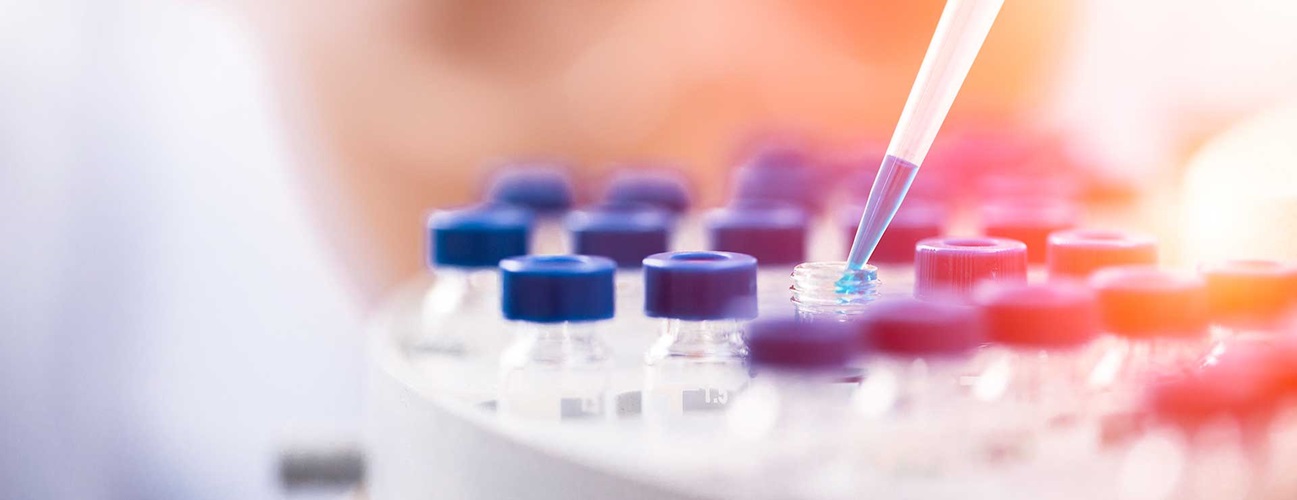
Microbiology
What is microbiology?

Microbiology is the study of microorganisms. This includes bacteria, viruses, fungi, and parasites. Microbiology helps find the disease-causing microorganisms in:
-
Tissue
-
Bone marrow
-
Blood
-
Urine
-
Sputum
-
Stool
-
Cerebrospinal fluid (CSF)
-
Other body fluids
The infectious agents can also be tested for sensitivity to certain antibiotics used to treat infections.
Microbiology uses many methods to find microorganisms, such as:
-
Chemical, immunological, and genetic tests
-
Exam under a microscope
-
Staining
Common microbiology tests
| Tests | Uses |
|---|---|
|
Blood culture |
Can diagnose bacterial or fungal blood infections |
|
Burn, tissue, and wound culture |
Can find disease-causing organisms in many tissues |
|
Sputum culture or nasal swab |
Can find bacteria that cause upper and lower respiratory tract infections, such as pneumonia |
|
Stool culture |
Can find parasites and bacteria that cause disease, such as salmonella or hookworms |
|
Urine culture |
Can find disease-causing bacteria in the kidneys and urinary tract |
|
Throat swab or culture |
Often used to diagnose or rule out strep throat |
The culture may find there is an infection. Then the disease-causing microbe may be tested for antibiotic resistance. This is done to figure out its sensitivity to antibiotic or antimicrobial medicines. Sometimes, antibiotics that should work don't work because the microbes are resistant. This culture and sensitivity test can help the healthcare provider find the right medicine to treat an infection and stay away from antibiotics that may not work.
Cultures may take 24 to 48 hours for results. Some slow-growing microorganisms may take even longer. Antibiotic susceptibility studies may take another 24 to 48 hours.
