Neurofibromatoses
Neurofibromatoses (plural of neurofibromatosis, or NF) refers to a group of genetic conditions that cause tumors to grow on nerves.
What You Need to Know Key Points
- Neurofibromatoses are caused by variants in genes that increase the risk of developing tumors.
- Different NF conditions lead to growth of different tumors (mainly neurofibromas and schwannomas) in various parts of the body.
- There are also manifestations of NF that don’t cause tumors.
- Doctors diagnose NF conditions based on specific diagnostic criteria.
- Treatments are available to manage the range of manifestations in people with NF symptoms.
What are the neurofibromatoses?
The neurofibromatoses are a group of genetic disorders that can cause tumors to grow on nerve tissue throughout the body, including the brain, spinal cord and peripheral nerves. Conditions under the NF umbrella include:
- Neurofibromatosis type 1 (NF1)
- Schwannomatosis (SWN), which includes several types named after the genes that cause them:
- NF2-related schwannomatosis (NF2-SWN) — the most common type of schwannomatosis
- SMARCB1-related schwannomatosis
- LZTR1-related schwannomatosis
- Other, more rare types of schwannomatosis
Each of these conditions is associated with an increased risk of nerve sheath tumor development. However, other symptoms and the ways these conditions manifest, as well as the types of tumors they produce, differ greatly among types of NF.
Causes and Symptoms of NF Conditions
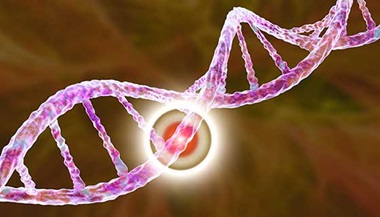
Across all NF conditions, there are pathogenic variations in a tumor suppressor gene. The known genes involved in NF include NF1, NF2, LZTR1 and SMARCB1. Genetic mutation in any one of these genes allows unchecked cell growth that can lead to tumor formation.
Most commonly, NF-related tumors are benign peripheral nerve sheath tumors called neurofibromas (in people with NF1) and schwannomas (in people with schwannomatoses). These benign tumors can form throughout the body — anywhere the peripheral nervous system lives. Some NF conditions have additional symptoms, such as skin changes, cognitive and behavioral symptoms, as well as blood vessel or bone changes. Although neurofibromatoses are not a form of cancer, sometimes other tumor types including cancers may develop from or alongside NF-related tumors.
Neurofibromatoses in Children
All neurofibromatoses are genetic and, therefore, are present at birth. However, the manifestations (symptoms) of the various NF conditions can appear at different stages of life.
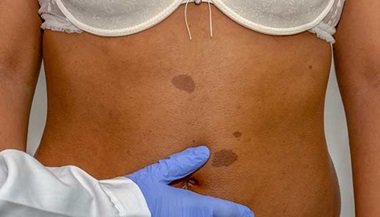
- Neurofibromatosis type 1 (NF1) is the most common form of NF diagnosed in children. Some manifestations, such as café au lait spots, plexiform neurofibromas and optic pathway gliomas, are present in infancy or early childhood. Other symptoms may develop gradually or not until adulthood. Every child with NF1 is different and many children have mild symptoms or manifestations.
- The schwannomatoses are far less likely to manifest in children. The most common form of schwannomatosis diagnosed in children is NF2-related schwannomatosis (NF2-SWN), formerly neurofibromatosis type 2. Manifestations of NF2-SWN usually include a neurologic concern in a specific part of the body, such as weakness of one limb or a limitation in eye movement.
In all cases, a child with suspected or confirmed NF condition should be seen by a care team with expertise in NF. These specialists can help monitor and address any concerns related to growth, development, learning, neurologic function and overall health. Most children who have NF do very well, although some may benefit from additional support or treatment for specific symptoms or manifestations.
Children and adults with these conditions live full, active and meaningful lives. Early recognition, regular follow-ups and supportive care can help children reach their full potential.
Diagnosis of NF Conditions
Doctors diagnose NF conditions based on specific, formal clinical criteria. The diagnostic process may include:
- Health history and symptom assessment
- Genetic testing of blood and tissue
- Imaging tests, such as an MRI
- Electromyography (EMG)/nerve conduction study (NCS), to measure electrical pathways in the nerves.
- A biopsy, so that a pathologist can diagnose a neurofibroma or schwannoma by looking at a piece of the tumor under a microscope.
Treatment of NF Conditions
The severity of symptoms varies widely among people diagnosed with NF conditions. Therefore, patients and families can benefit from a personalized approach to care, which may focus on observation or active treatment:
- Observation: Treatment is not always needed. In many cases, people with NF conditions need only monitoring by a knowledgeable care team.
- Treatment: In other cases, there can be neurologic or oncologic concerns that need urgent assessment and treatment. Treatments may include procedures to remove or shrink the tumor, as well as other therapies to address specific symptoms.
There are an exciting number of new treatments available or in development for NF conditions, including two new FDA-approved therapies for NF1-associated plexiform neurofibromas.
Medically reviewed by Jaishri Blakeley, M.D. April 29, 2026
NF Care at Johns Hopkins
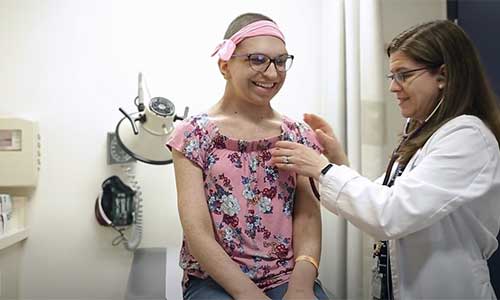
The Johns Hopkins Comprehensive Neurofibromatosis Center can address all the needs of people with NF conditions. Our team meets each person wherever they are in their health journey. We can help confirm the diagnosis, assess symptoms that would benefit from therapy, evaluate any risky tumors or features that need urgent treatment, and support maximal health and wellness for all people living with NF.