Stroke
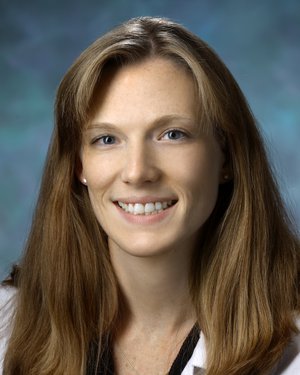
Featured Expert
Updated May 18, 2026
A stroke happens when blood flow to your brain is stopped. It is an emergency situation and requires immediate care. If someone is showing any sign of a stroke, call 911 immediately.
Key Points
- A stroke happens when blood flow to your brain is stopped. It is an emergency situation.
- It can be caused by a narrowed blood vessel, a clot that blocks blood flow through a vessel, or a burst blood vessel that results in bleeding in the brain.
- Symptoms can happen suddenly. If someone is showing any sign of a stroke, call 911 immediately.
- You have a better chance of recovering from a stroke if emergency treatment is started right away.
- How a stroke affects you depends on where the stroke occurs in your brain, and on how much of your brain is damaged.
What is a stroke?
A stroke, or brain attack, happens when blood flow to your brain is stopped. It is an emergency situation.
The brain needs a constant supply of oxygen and nutrients in order to work well. If blood supply is stopped even for a short time, this can cause problems. Brain cells begin to die after just a few minutes without blood or oxygen.
What are the symptoms of a stroke?
A stroke is an emergency situation. It’s important to know the signs of a stroke and get help quickly. Call 911 or your local emergency number right away. Treatment is most effective when started right away.
Stroke symptoms may happen suddenly. Each person’s symptoms may vary. Symptoms may include:
- Weakness or numbness of the face, arm, or leg, usually on one side of the body
- Having trouble speaking or understanding
- Problems with vision, such as dimness or loss of vision in one or both eyes
- Dizziness or problems with balance or coordination
- Problems with movement or walking
- Fainting (loss of consciousness) or seizure
- Severe headaches with no known cause, especially if they happen suddenly
Other less common symptoms of stroke may include:
- Sudden nausea or vomiting not caused by a viral illness
- Brief loss or change of consciousness, such as fainting, confusion, seizures, or coma
- TIA (transient ischemic attack), sometimes referred to as a mini-stroke
- A TIA is a medical emergency with very high short‑term stroke risk, and urgent evaluation within 24 hours is standard.
- A TIA causes the same symptoms as a stroke, they just resolve, typically after a few minutes to an hour. Similar to chest pain that can occur before a heart attack, a TIA signals you may be at high risk for having a permanent stroke and requires immediate evaluation.
Get Help FAST
BE FAST is an easy way to remember the signs of a stroke. When you see these signs, you will know that you need to call 911 fast. BE FAST stands for:
B – Balance. A sudden feeling of unsteadiness, trouble walking, or unexpected dizziness.
E – Eyes. A sudden change in vision, such as blurriness, double vision, or losing sight in one or both eyes.
F - Face drooping. One side of the face is drooping or numb. When the person smiles, the smile is uneven.
A - Arm weakness. One arm is weak or numb. When the person lifts both arms at the same time, one arm may drift downward.
S - Speech difficulty. You may see slurred speech or difficulty speaking. The person can't repeat a simple sentence correctly when asked.
T - Time to call 911. If someone shows any of these symptoms, call 911 right away. Call even if the symptoms go away. Make note of the time the symptoms first appeared.
What causes a stroke?
A stroke is caused when blood flow to your brain is stopped or disrupted.
There are 2 kinds of stroke: ischemic and hemorrhagic.
- Ischemic stroke. This is the most common type of stroke. It happens when a major blood vessel in the brain is blocked. It may be blocked by a blood clot or by a buildup of fatty deposits and cholesterol. This buildup is called plaque.
- Hemorrhagic stroke. This occurs when a blood vessel in your brain bursts, spilling blood into nearby tissues. With a hemorrhagic stroke, pressure builds up in the nearby brain tissue. This causes even more damage and irritation.
Risk Factors for Stroke
Anyone can have a stroke at any age. But your chance of having a stroke increases if you have certain risk factors. Many risk factors for stroke can be changed or managed, while others are due to genetic factors or aging.
Most Common Modifiable Risk Factors
These risk factors carry the greatest risk for stroke, but can be treated or medically managed:
- History of prior stroke or TIA. TIAs are often called mini-strokes. They have the same symptoms as stroke, but the symptoms don’t last. If you have already had a stroke or one or more TIAs, you are almost 10 times more likely to have a stroke than someone of the same age and sex who has not had a prior event.
- Heart disease. Heart disease is the second most important risk factor for stroke and the major cause of death among survivors of a stroke. This is most likely because heart disease and stroke have many of the same risk factors.
- High blood pressure. A blood pressure of 140/90 or higher can damage blood vessels (arteries) that supply blood to the brain.
- Abnormal heart rhythm. Some types of heart disease can raise your risk for stroke. Having an irregular heartbeat (atrial fibrillation) is the most treatable heart risk factor of stroke.
- Diabetes. People with diabetes are at greater risk for a stroke than someone without diabetes.
- Smoking. Smoking almost doubles your risk for an ischemic stroke.
- High blood cholesterol and lipids. High cholesterol levels can contribute to thickening or hardening of the arteries (atherosclerosis) caused by a buildup of plaque. Plaque is deposits of fatty substances, cholesterol, and calcium. Plaque buildup on the inside of the artery walls can decrease the amount of blood flow to the brain. A stroke occurs if the blood supply is cut off to the brain.
- Lack of exercise
- Obesity
Less Common Modifiable Vascular Risk Factors
- Birth control pills (oral contraceptives). The estrogen in many birth control pills can make blood more likely to clot. This is especially true for women who are also overweight and smoke. While birth control is safe for many women, it is important to review the risks with your doctor, especially if you have a history of stroke or other vascular risk factors.
- High red blood cell count. A significant increase in the number of red blood cells thickens the blood and makes clots more likely. This raises the risk for stroke.
- Excessive alcohol use. Alcohol can increase blood pressure, which is the strongest driver of both ischemic and hemorrhagic stroke. Drinking also promotes irregular heart rhythms like atrial fibrillation and makes blood more prone to clotting, creating conditions where a stroke is more likely.
- Illegal drugs. IV (intravenous) drug abuse carries a high risk of stroke from blood clots (cerebral embolisms). Cocaine and other illegal drugs have been closely linked to strokes, heart attacks, and many other cardiovascular problems.
- Cardiac structural abnormalities. Damaged heart valves (valvular heart disease) can cause long-term (chronic) heart damage. Over time, this can raise your risk for stroke.
- Obstructive sleep apnea. Repeated pauses in breathing cause sharp drops in oxygen and big spikes in blood pressure that damage blood vessels over time. Obstructive sleep apnea also increases inflammation, clotting, and heart rhythm problems like atrial fibrillation.
- Chronic kidney disease. This causes long‑term damage to blood vessels and leads to high blood pressure. It also increases inflammation and makes blood more prone to clotting, creating conditions where a stroke is more likely to occur.
- Pregnancy and postpartum state. During this period, the body becomes more prone to blood clots and blood pressure can rise sharply, especially with conditions like preeclampsia. Hormonal changes, fluid shifts, and the physical stress of delivery also strain blood vessels, making a stroke more likely during this time.
- Hormone therapy / gender‑affirming hormones. Certain estrogen- or testosterone‑based treatments can increase blood clotting and affect blood vessel health. They can also influence blood pressure, cholesterol, and other cardiovascular factors, which together make a stroke more likely in some individuals.
- Migraine with aura (especially in those who smoke). The temporary changes in brain activity and blood vessels during an aura can make the arteries more reactive and prone to narrowing. It’s also linked to higher rates of clotting and vascular inflammation.
- Sickle cell disease. Abnormally shaped red blood cells can block or damage blood vessels in the brain, reducing or cutting off blood flow. It also causes chronic inflammation and makes the blood more likely to clot.
- Inflammatory/autoimmune disease (e.g., lupus, antiphospholipid syndrome.) Chronic inflammation damages blood vessels and makes them more likely to narrow or form plaque. These conditions can also increase blood clotting and disrupt normal immune and vascular function, creating a higher chance of a blockage that leads to stroke.
Risk factors for stroke that can’t be changed:
The following stroke risk factors are not ones that can be treated to reduce a risk of stroke.
- Older age. For each decade of life after age 55, your chance of having a stroke more than doubles.
- Race. African Americans have a much higher risk for death and disability from a stroke. This is partly because the African American population has a greater incidence of high blood pressure.
- Sex. Stroke occurs more often in men, but more women than men die from stroke. High blood pressure affects more women, and issues surrounding pregnancy, hormone replacement/birth control, and menopause also raise the chances of having a stroke.
- Heredity or genetics. The chance of stroke is greater in people with a family history of stroke.
Other risk factors include:
- Where you live. Strokes are more common among people living in the southeastern U.S. than in other areas. This may be because of regional differences in lifestyle, race, smoking habits and diet.
- Temperature, season and climate. Stroke deaths occur more often during extreme temperatures.
- Social and economic factors. There is some evidence that strokes are more common among low-income people.
How is a stroke diagnosed?
Your healthcare provider will take a complete health history and do a physical exam. You will need tests for stroke such as brain imaging and measuring the blood flow in the brain. Tests may include:
- CT scan of the brain. A brain CT scan can show bleeding in the brain or damage to brain cells caused by a stroke. It is used to find abnormalities and determine the location or type of stroke. It is fast, and often the first test ordered as part of the stroke work-up, but not as sensitive as an MRI.
- MRI. An MRI uses magnetic fields to find small changes in brain tissue that help to diagnose stroke.
- CTA (computed tomographic angiography). A CT angiogram uses CT technology to obtain images of blood vessels.
- MRA (magnetic resonance angiography). This test uses MRI technology to check blood flow through the arteries.
- Doppler sonography (carotid ultrasound). A test that uses sound waves to create pictures of the inside of your carotid arteries. This test can show if plaque has narrowed or blocked your carotid arteries.
The following heart tests may also be used to help diagnose heart problems that may have led to a stroke:
- Electrocardiogram (ECG). This test records your heart’s electrical activity. It shows any irregular heart rhythms that may have caused a stroke.
- Echocardiography. This test uses sound waves to create a picture of your heart. This test shows the size and shape of your heart. It can check if the heart valves are working properly. It can also see if there are blood clots inside your heart.
- Prolonged rhythm monitoring for atrial fibrillation and evaluation of structural heart disease.
How is a stroke treated?
Advanced medical and surgical treatments are available. These can help reduce your risk for another stroke. Treatment is most effective when started right away. Emergency treatment after a stroke may include:
- Clot-busting medicines (Intravenous thrombolysis (IVT) or fibrinolytics).These medicines dissolve the blood clots that cause an ischemic stroke. They can help reduce the damage to brain cells caused by the stroke. To be most effective, they must typically be given within 4.5 hours of symptom onset, though advanced imaging can help to identify individuals who may benefit from treatment at later time points.
- Endovascular thrombectomy is an emergency procedure that removes a blood clot from a brain artery during a stroke using a catheter that is inserted in the groin or wrist and pulls clot directly out of the blocked blood vessel. It works best when done fast, usually within the first several hours after symptoms start, and it greatly improves the chances of recovery and reduces long‑term disability. Perfusion imaging (CTP/MRP) is used in selecting patients for thrombectomy.
- Medicines and therapy to reduce or control brain swelling. Special types of IV (intravenous) fluids are often used to help reduce or control brain swelling. They are used especially after a hemorrhagic stroke.
- Neuroprotective medicines. These medicines help protect the brain from damage and lack of oxygen (ischemia).
- Life support measures. These treatments include using a machine to help you breathe (a ventilator), having IV fluids, getting proper nutrition, and controlling your blood pressure.
- Craniotomy. This is a type of brain surgery that is done to relieve pressure, or repair bleeding in the brain.
Your healthcare provider will create a care plan for you based on:
- Your age, overall health, and past health
- The type of stroke you had
- How severe your stroke was
- Where in your brain the stroke happened
- What caused your stroke
- How well you handle certain medicines, treatments, or therapies
- Your opinion or preference
What are the complications of having a stroke?
Recovery from stroke and the specific ability affected depends on the size and location of the stroke.
- A small stroke may cause problems such as mild weakness in your arm or leg.
- Larger strokes may cause parts of your body to be paralyzed.
- Larger strokes can also cause loss of speech or even death.
What can I do to prevent a stroke?
Know your risk for stroke based on your lifestyle, medical conditions and family history. Many stroke risk factors can be changed, treated or medically modified. Some things you can do to control your risk factors are listed below.
Lifestyle changes
A healthy lifestyle can help reduce your risk for stroke. That includes the following:
- Stop smoking, if you smoke.
- Make healthy food choices. Be sure to get the recommended amounts of fruits, vegetables, and whole grains. Choose foods that are low in saturated fat, trans fat, cholesterol, salt (sodium), and added sugars.
- Stay at a healthy weight.
- Be physically active.
- Limit alcohol use: Up to 1 drink a day for women, 2 drinks a day for men.
Medicines
Take your medicines as instructed by your healthcare provider. The following medicines can help prevent stroke:
- Blood-thinning medicines (anticoagulants) help prevent blood clots from forming. If you take a blood thinner, you may need regular blood tests.
- Antiplatelets, such as aspirin, are prescribed for many stroke patients. They make blood clots less likely to form. Aspirin is available over the counter; however, right after a stroke your doctor may ask you to take two antiplatelet medications (typically aspirin and clopidogrel) at the same time for a short period of time to help prevent another stroke during the period of highest risk (typically 21 to 90 days depending on the cause).
- Blood-pressure medicines help lower high blood pressure. You may need to take more than one blood pressure medicine.
- Cholesterol-lowering drugs like statins make plaque less likely to build up in your artery walls, which can reduce the risk for stroke.
- Heart medicines can treat certain heart problems that increase your risk of stroke, such as atrial fibrillation.
- Diabetes medicines adjust blood sugar levels. This can prevent problems that lead to stroke. Some diabetes medications such as SGLT2 inhibitors and GLP‑1receptor agonists have cardiovascular and stroke‑risk benefits.
Surgery
Several types of surgery may be done to help treat a stroke, or to help prevent one. These include:
- Carotid endarterectomy. Carotid endarterectomy is surgery to remove plaque and clots from the carotid arteries, located in the neck. These arteries supply the brain with blood from the heart. Endarterectomy may help stop a stroke from occurring.
- Carotid stenting. A large metal coil (stent) is placed in the carotid artery much like a stent is placed in a coronary artery.
- Surgery to repair aneurysms and AVMs (arteriovenous malformations). An aneurysm is a weakened, ballooned area on an artery wall. It is at risk for bursting (rupturing) and bleeding into the brain. An AVM is a tangle of arteries and veins. It interferes with blood circulation and puts you at risk for bleeding.
- PFO (patent foramen ovale) closure. The foramen ovale is an opening that occurs in the wall between the 2 upper chambers of the heart. This opening usually closes right after birth. If the flap does not close, any clots or air bubbles can pass into the brain circulation. This can cause a stroke or TIA (transient ischemic attack).
Preventing a Second Stroke
Prevention of a second stroke depends heavily on whether the stroke was cardioembolic (starting in the heart) or non‑cardioembolic (starting in the arteries), because the source of the clot determines the best long‑term strategy to stop another one from forming.
- Heart‑based clots require anticoagulants, which are medications that slow down the blood’s clotting process, making it harder for harmful clots to form and travel through the bloodstream.
- Artery‑based clots respond best to antiplatelets, which are medications that prevent platelets in your blood from sticking together, which helps reduce the chance of forming clots that can block arteries. Learn more about preventing a second stroke.
Life After a Stroke
How a stroke affects you depends on where the stroke occurs in your brain. It also depends on how much your brain is damaged. Problems people may encounter are:
- Paralysis of one arm
- Thinking
- Speaking
- Swallowing
- Doing simple math such as adding, subtracting, or balancing a checkbook
- Dressing
- Showering
- Going to the bathroom
Some people may need long-term physical rehabilitation. They may not be able to live in their home without help.
Support services are available to help with physical and emotional needs after a stroke.
When should I call my healthcare provider?
Strokes can happen again. Seek emergency care immediately if you have symptoms that seem like a stroke, even if they don’t last long.
Medically reviewed by Elisabeth Breese Marsh, M.D.