Frontotemporal Dementia
What is frontotemporal dementia?
Frontotemporal dementia (FTD) is a group of disorders that occur when nerve cells in the frontal and temporal lobes of the brain are lost. This causes these lobes to shrink, which leads to problems with thinking and behavior. FTD affects behavior, personality, language, and movement.
FTD disorders are some of the most common dementias that begin in people of younger ages than typically seen with dementia. Symptoms often start between the ages of 40 and 65. But FTD can strike young adults and those who are older. FTD affects men and women equally.
The most common types of FTD are:
-
Frontal variant. This form of FTD changes behavior and personality.
-
Primary progressive aphasia. Aphasia means trouble communicating. This form has two subtypes:
-
Nonfluent aphasia, which affects the ability to speak fluently and causes grammar impairment.
-
Semantic dementia, which affects how a person uses and understands language. Unlike nonfluent aphasia, people are still able to speak fluently and grammatically, but their speech lacks meaning.
-
Less common forms of FTD affect movement. It causes symptoms similar to Parkinson disease or amyotrophic lateral sclerosis (Lou Gehrig’s disease).
What causes frontotemporal dementia?
A family history of FTD is the best known cause for these diseases. It is estimated that 20% of all cases of FTD are hereditary. However, most people with FTD do not have a hereditary form of the disease. Although most cases of FTD are sporadic, the cause of non-hereditary FTD is unknown. Researchers have linked certain subtypes of FTD to mutations on several genes. There also have been several findings of different protein clumping in the brain cells which is another clue as to how FTD pathology begins. The protein clumping is usually accompanied by shrinkage in key brain structures within the frontal and temporal lobes.
What are the symptoms of frontotemporal dementia?
Symptoms of FTD start slowly and progress steadily, and in some cases, quickly. They vary from person to person. They depend on the areas of the brain involved. These are common symptoms:
-
Behavior or personality changes, such as swearing, stealing, more interest in sex, or a decline in hygiene habits
-
Socially inappropriate, impulsive, or repetitive behaviors
-
Impaired judgment
-
Apathy
-
Lack of empathy
-
Decreased self awareness
-
Loss of interest in normal daily activities
-
Emotional withdrawal from others
-
Loss of energy and drive
-
Trouble using or understanding language, such as a hard time naming objects, expressing words, or knowing the meanings of words
-
Hesitation when speaking
-
Less frequent speech
-
Easily distracted
-
Trouble planning and organizing
-
Frequent mood changes
-
Agitation
-
Growing dependence
Some people have physical symptoms, such as:
-
Tremors
-
Muscle spasms or weakness
-
Stiffness
-
Poor coordination or balance
-
Trouble swallowing
Mental health symptoms also may occur. These include hallucinations or delusions. But these are not as common as other changes.
How is frontotemporal dementia diagnosed?
It is important to see a healthcare provider as early as possible to discuss:
-
Symptoms, what they are and when and how they have developed
-
Medical history and previous medical problems
-
Medical histories of family members
-
Prescription medicines, over-the-counter medicines, and dietary supplements taken
No single test can diagnose FTD. Often, healthcare providers will perform physical exams and order blood tests to rule out other health problems that cause similar symptoms. If they think it may be dementia, they may:
-
Do a physical examination to evaluate general health and assess neurological signs including reflexes, muscle strength, muscle tone, sense of touch and sight, coordination, and balance
-
Do neuropsychological tests of memory, problem-solving ability, attention span and counting skills, and language abilities
-
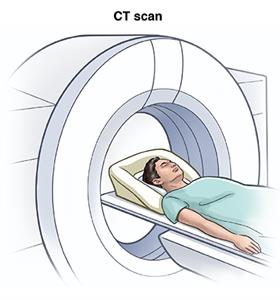
Order brain scans, typically a magnetic resonance imaging (MRI) or computed tomography (CT) scans of the brain
-
In some cases, we may order a lumbar tap to assess cerebrospinal fluid (CSF)
-
To assess whether family history is a factor, genetic testing will be ordered, and a genetic counselor will be consulted
How is frontotemporal dementia treated?
At this time, there is no cure for FTD, but healthcare providers may prescribe medicine to treat symptoms:
-
Antidepressants may help treat anxiety and control obsessive-compulsive behaviors and other symptoms.
-
Prescription sleeping aids can help ease insomnia and other sleep disturbances. Antipsychotic medicine may reduce irrational and compulsive behaviors.
-
Behavior modification may help control unacceptable or risky behaviors.
-
Speech and language pathologists and physical and occupational therapists can help with adjustment to some of the changes caused by FTD.
What are possible complications of frontotemporal dementia?
FTD is not life-threatening ─ people may live with it for years. But it can lead to an increased risk for other illnesses that can be more serious. Failure to thrive and pneumonia are the most common cause of death, with FTD. People are also at increased risk for infections and fall-related injuries.
As FTD progressively worsens, people may engage in dangerous behaviors or be unable to care for themselves. They may need 24-hour nursing care or to stay in an assisted living facility or nursing home.
As FTD gets worse, people may take part in unsafe behaviors. Or they may be unable to care for themselves. They may need 24-hour nursing care or to stay in an assisted living facility or nursing home.
Living with frontotemporal dementia
Coping with FTD can be scary, frustrating, and embarrassing for the patient and family members. Some symptoms can’t be controlled. So family members shouldn't take their loved one’s behaviors personally. Families need to care for their own well-being, while making sure that their loved one is treated with dignity and respect.
Caregivers should learn all they can about FTD. They should look for a healthcare provider who knows about it, too. They should also gather a team of experts to help the family meet the health, financial, and emotional challenges they are facing.
Other healthcare providers who may play a role are:
-
Home care nurses
-
Neuropsychologists
-
Genetic counselors
-
Speech and language therapists
-
Physical and occupational therapists
-
Psychologists and licensed clinical social workers
Social workers and nurse case managers can also help. They can help the patient and caregivers find community resources. This includes medical supplies and equipment, nursing care, support groups, respite care, and financial help.
Attorneys and financial advisors can help families get ready for the later stages of the disease.
As difficult as it may be, advanced planning will help smooth future changes for the patient and family members. It may also allow all to take part in the process.
There is little solid evidence that antioxidants and other supplements help those with FTD. You and your family members should talk with your healthcare provider about whether to try any of them, such as coenzyme Q10, vitamin E, vitamin C, and B vitamins to support brain health.
When should I call my healthcare provider?
If you are diagnosed with FTD, you and your caregivers should talk with your healthcare providers about when to call them. Your healthcare provider will likely advise calling if your symptoms become worse, or if you have obvious or sudden changes in behavior, personality, or speech. This involves mood changes, such as depression or thoughts of suicide.
It can be very stressful for a caregiver to take care of a loved one with FTD. It's normal to have feelings of denial, anger, and irritability. Caregivers may also have anxiety, depression, exhaustion, and health problems of their own. Caregivers should talk to their healthcare provider if they have any of these signs of stress and seek professional counseling when needed.
Key points about frontotemporal dementia
-
Frontotemporal dementia is a group of disorders in which there is a loss of nerve cells in the frontal and temporal lobes of the brain. This causes these lobes to shrink. The cause of FTD is unknown.
-
Symptoms often first occur between ages 40 and 65. They can include changes in personality and behavior, progressive loss of speech and language skills, and sometimes physical symptoms, such as tremors or spasms.
-
FTD tends to get worse over time. Treatments can't cure the disease. But some medicines and other treatments, such as speech therapy, can sometimes help with symptoms. If you have FTD, you may eventually need full-time nursing care, or to stay in an assisted-living facility or nursing home.
-
If you have FTD, you will need ongoing resources to help you and your family manage the disease.
Next steps
Tips to help you get the most from a visit to your healthcare provider:
-
Know the reason for your visit and what you want to happen.
-
Before your visit, write down questions you want answered.
-
Bring someone with you to help you ask questions and remember what your provider tells you.
-
At the visit, write down the name of a new diagnosis, and any new medicines, treatments, or tests. Also write down any new instructions your provider gives you.
-
Know why a new medicine or treatment is prescribed, and how it will help you. Also know what the side effects are.
-
Ask if your condition can be treated in other ways.
-
Know why a test or procedure is recommended and what the results could mean.
-
Know what to expect if you do not take the medicine or have the test or procedure.
-
If you have a follow-up appointment, write down the date, time, and purpose for that visit.
-
Know how you can contact your healthcare provider if you have questions, especially after office hours or on weekends.