
-
Kamna Balhara, MD
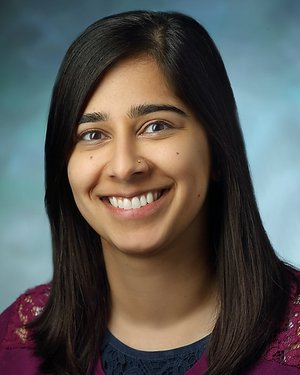
- Associate Program Director, Emergency Medicine Residency
- Associate Professor of Emergency Medicine
-
Ed Bessman, MD MBA

- Director of Emergency Medicine, Johns Hopkins Bayview Medical Center
- Assistant Professor of Emergency Medicine
-
Arjun S. Chanmugam, MD MBA
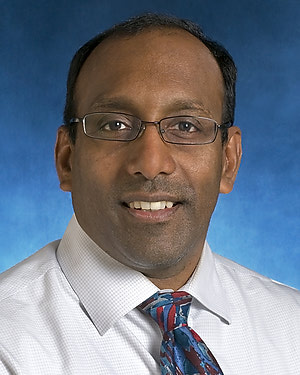
- Vice Chair of Emergency Medicine, The Johns Hopkins University School of Medicine
- Professor of Emergency Medicine
-
Michael Richard Ehmann, MD MPH
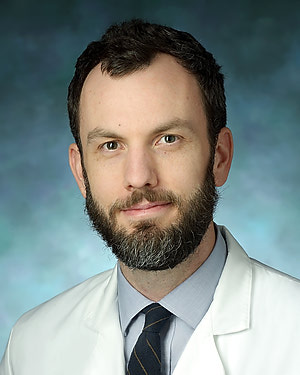
- Program Director, Emergency Medicine Residency
- Associate Professor of Emergency Medicine
-
Tiffany C. Fong, MD
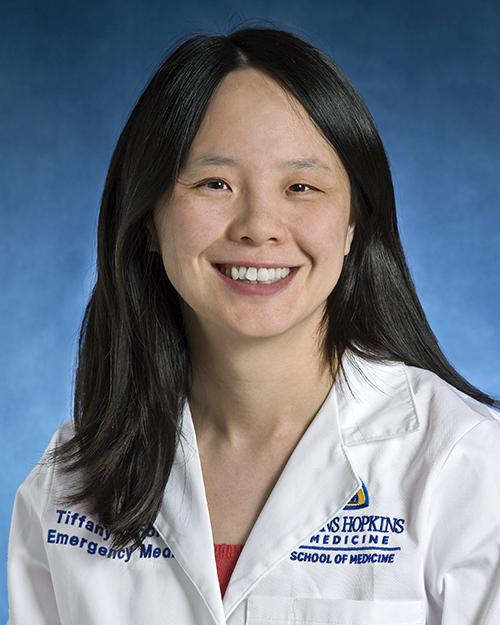
- Director of Emergency Ultrasound, Department of Emergency Medicine
- Assistant Professor of Emergency Medicine
-
Ayse P. Gurses, MS PhD
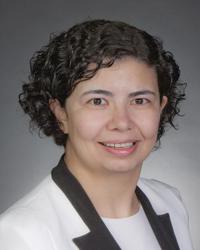
- Director, Armstrong Institute Center for Health Care Human Factors
- Professor of Anesthesiology and Critical Care Medicine
-
Bhakti Hansoti, MBChB PhD MPH

- Director, Center for Global Emergency Care
- Professor of Emergency Medicine
-
Kirlos N. Haroun, MD
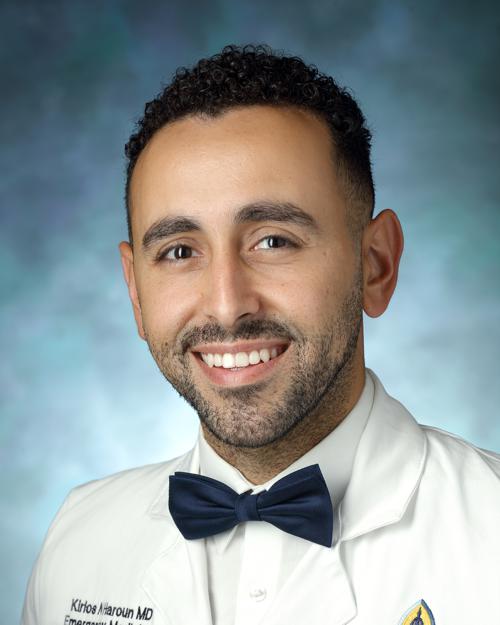
- Assistant Program Director, Emergency Medicine Residency
- Assistant Professor of Emergency Medicine
-
Elliott Haut, MD PhD
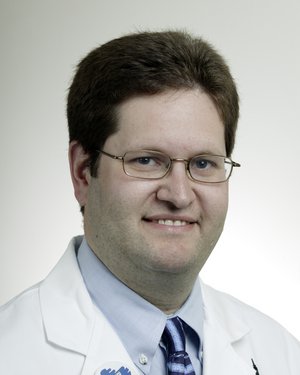
- Vice Chair of Quality, Safety, & Service, Department of Surgery
- Professor of Surgery
-
Peter Michael Hill, MD
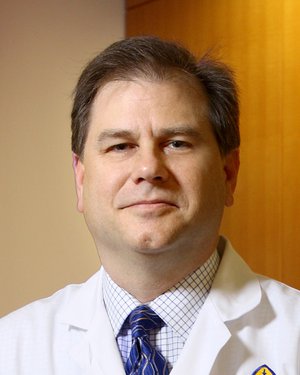
- Senior Vice President, Medical Affairs, Johns Hopkins Health System
- Associate Professor of Emergency Medicine
-
Jeremiah Stephen Hinson, MD PhD
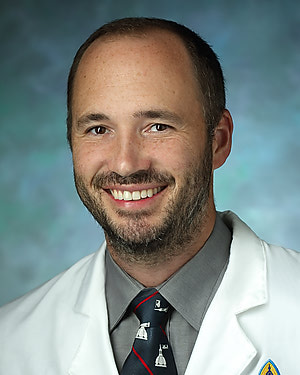
- Director of Research, Emergency Medicine Residency
- Associate Professor of Emergency Medicine
-
Ed Hsu, MD
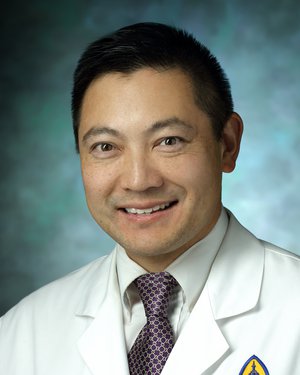
- Associate Director, Critical Event Preparedness and Response (CEPAR)
- Professor of Emergency Medicine
-
Julianna Jung, MD MEd
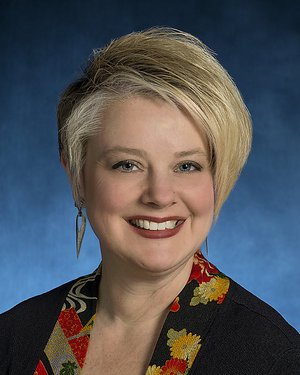
- Director of Medical Student Education, Department of Emergency Medicine
- Associate Professor of Emergency Medicine
-
Ellen Francine Lemkin, MD PharmD
- Base Station Medical Director
- Assistant Professor of Emergency Medicine
-
Katie Lorenz, MD

- Assistant Program Director, Emergency Medicine Residency
- Assistant Professor of Emergency Medicine
-
Ellen J. MacKenzie, PhD
- Chair, Department of Health Policy and Management, Bloomberg School of Public Health
-
Phillip Magidson, MD MPH
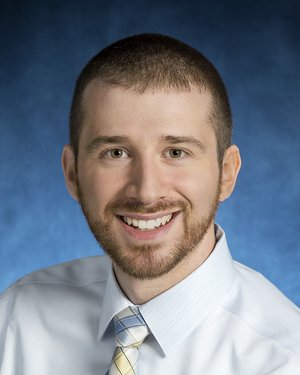
- Associate Clinical Director, Department of Emergency Medicine, Johns Hopkins Bayview Medical Center
- Assistant Professor of Emergency Medicine
-
Edana Mann, MD
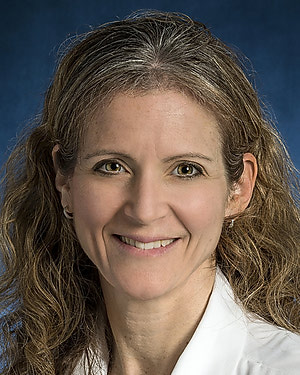
- Senior Associate Clinical Director, The Johns Hopkins Hospital, Department of Emergency Medicine
- Assistant Professor of Emergency Medicine
-
Asa Matthew Margolis, DO MPH
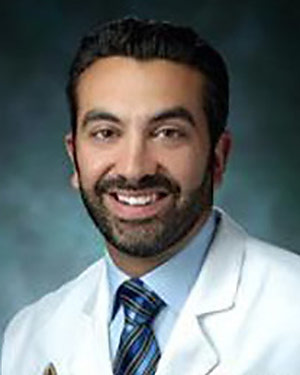
- Program Director, Johns Hopkins University School of Medicine Emergency Medical Services Fellowship
- Associate Professor of Emergency Medicine
-
David Newman-Toker, MD PhD
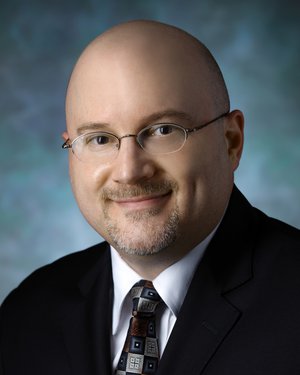
- Director, Division of Neuro-Visual & Vestibular Disorders, Department of Neurology
- Professor of Neurology
-
Valerie Osasu Osula, MD MPH

- Assistant Director, Center for Global Emergency Care
- Assistant Professor of Emergency Medicine
-
Hardin Pantle, MD
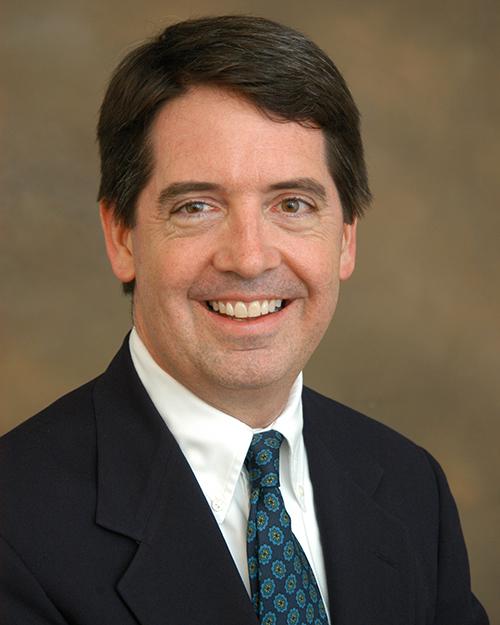
- Assistant Director, Emergency Department, Johns Hopkins Bayview Medical Center
- Assistant Professor of Emergency Medicine
-
Susan Peterson, MD
- Associate Medical Director for Patient Safety and Quality, The Johns Hopkins Hospital, Department of Emergency Medicine
- Associate Professor of Emergency Medicine
-
Linda Regan, MD MEd

- Vice Chair of Education, Department of Emergency Medicine
- Professor of Emergency Medicine
-
Randall Rhyne, MD
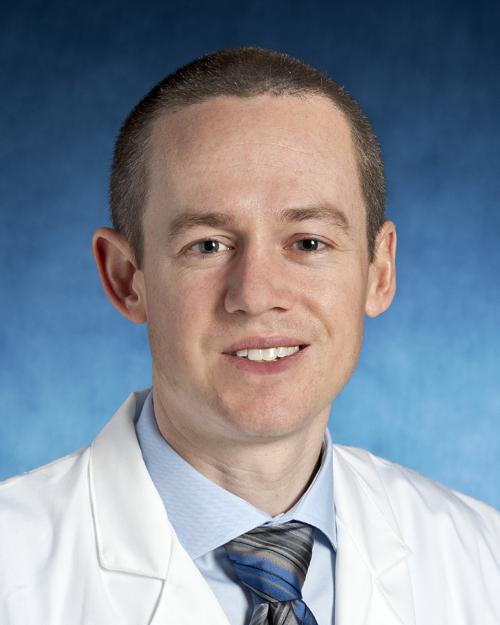
- Director of Emergency Ultrasound, Johns Hopkins Bayview Medical Center
- Assistant Professor of Emergency Medicine
-
Kathryn Marie Ritter, MD MEd
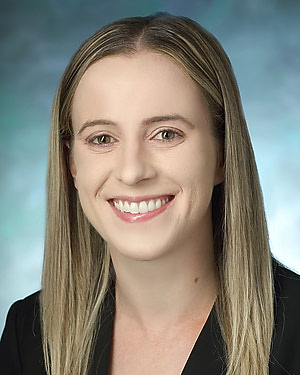
- Associate Program Director, Emergency Medicine Residency
- Assistant Professor of Emergency Medicine
-
Rich Rothman, MD
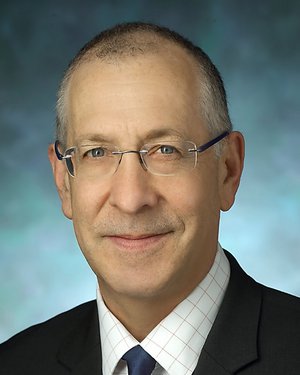
- Executive Vice Chair, Department of Emergency Medicine
- Professor of Emergency Medicine
-
Mustapha Saheed, MD
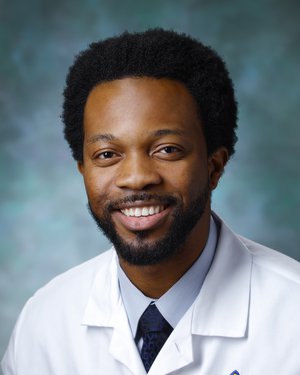
- Medical Director, The Johns Hopkins Hospital, Department of Emergency Medicine
- Assistant Professor of Emergency Medicine
-
Ruben D. Troncoso, MD MPH
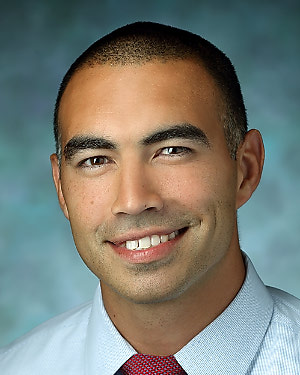
- Assistant Medical Director, Johns Hopkins Lifeline Critical Care Transport Program
- Assistant Professor of Emergency Medicine
Emergency Medicine Faculty







Additional Faculty Appointments
Gai Cole, Dr.P.H., M.B.A., M.H.A.
Research Associate
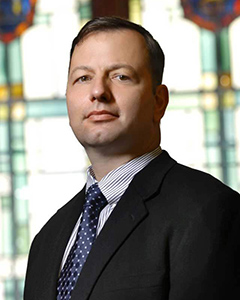
Bianca Conti, M.D.
Assistant Professor of Emergency Medicine
Johns Hopkins University School of Medicine
Johns Hopkins University School of Medicine

Katherine Fenstermacher, Ph.D.
Research Associate
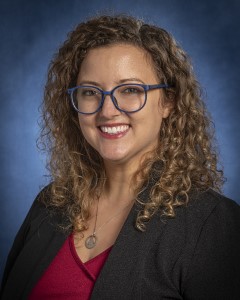
Daniel Gold, D.O.

Ameen Jamali, M.D.
Assistant Professor of Emergency Medicine
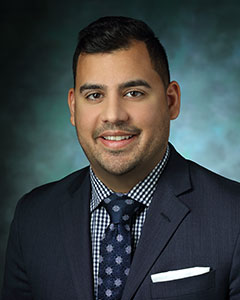
Gary Klein, Ph.D.
Adjunct Assistant Professor of Emergency Medicine
Diego A. Martinez, Ph.D.
Assistant Professor of Emergency Medicine
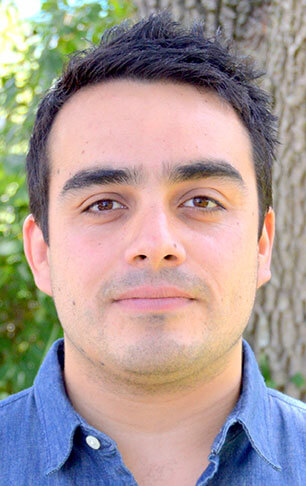
Andrew Pekosz
Lauren Sauer, M.S.
Assistant Professor of Emergency Medicine

Gabriella Dashler
Research Associate

Danielle Matilsky, M.D.
Assistant Professor of Emergency Medicine

Agnes Annetie Usoro, M.D.
Instructor in Emergency Medicine
