









Featured Articles
-
 Fitness and PerformanceRunners Diet
 -
 Sleep BetterSleep Answers from Sleep Expert Dr. Susheel Patil
 -
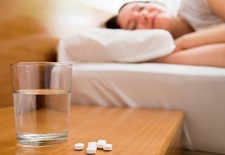 Sleep ScienceMelatonin for Sleep: Does It Work?
 -
 Food and NutritionGinger Benefits
 -
 Hair ProblemsHair Loss in Black Women: Tips from an Expert
 -
 Sleep BetterNatural Sleep Aids: Home Remedies to Help You Sleep
Popular Wellness and Prevention Topics
#TomorrowsDiscoveries: Mindfulness Meditation – Neda Gould, Ph.D.
Wellness and Prevention
- Age-Related Depression, Mood and Stress
- Age-Related Preventive Screenings
- Aging and Hearing
- Aging and Relationships
- Aging and Sleep
- Aging and Vision
- Avoiding Injuries as You Age
- Babies and Toddlers: Developmental Milestones
- Babies and Toddlers: Discipline
- Babies and Toddlers: Nutrition
- Babies and Toddlers: Teething and Dental Health
- Back-to-School Guide for Parents
- Bariatric Surgery
- Boosting Your Mood
- Brain-Gut Connection
- Caregiving for a Senior
- Chronic Disease Caregiver Resources
- Chronic Disease Survivorship
- Chronic Pain
- Common Childhood Illnesses
- Coping with Loss
- Correcting and Improving Vision
- Cosmetic Procedures
- Diabetes-Friendly Recipes
- Dieting and Weight Loss
- Digestive Disorders
- Eating for Your Gut
- Eating Healthy for Your Age
- End of Life Care
- Everyday Safety
- Exercise
- Exercise and the Aging Person
- Exercise-Related Injuries and Exhaustion
- Exercise Safety
- Exercise: Staying Motivated
- Exercise: Tools and Planning
- Eye Safety
- Food Allergies
- Gender Affirmation
- Gluten-free Recipes
- Gout-friendly Recipes
- Hair Problems
- Health Risks of Poor Sleep
- Healthy Beverage Recipes
- Healthy Eating for Kids
- Heart Conditions
- Heart-Smart Eating
- How Digestion Works
- Kids and Teens: Developmental Milestones
- Know Your Heart Risks
- Living with Depression
- Maintaining a Healthy Mind as You Age
- Maintaining Heart Health
- Managing Prescriptions for Chronic Pain
- Managing Stress
- Men's Health Screenings
- Mindfulness Meditation
- Navigating Insurance and Medications as You Age
- Nutrition and Fitness
- Pain Management
- Palliative Care
- Physical Activity for Heart Health
- Potential Emergency Situations and Conditions
- Pregnancy and Exercise
- Pregnancy and Sleep
- Preparing for an Emergency
- Preventing Skin Cancer
- Probiotics
- Protecting Your Memory
- Rashes and Skin Inflammation
- Recipes for Heart Health
- Retirement Planning
- Science of Memory
- Senior Centers and Assisted Living
- Sleep Better
- Sleep Conditions
- Sleep Science
- Staying Active as You Age
- Vision, Hearing and Speech
- Watch Your Weight
- Women's Health Conditions
- Women's Health: Mind and Mood
- Women's Health: Wellness and Rejuvenation
- Women's Healthcare Guidelines
- Women's Sexual and Reproductive Health