







Featured Articles





Popular Condition and Disease Topics
Conditions and Diseases
- Abdominal Aortic Aneurysm
- Alzheimer's Disease
- Anxiety Disorders
- Arrhythmias
- Arthritis
- Asthma
- Back and Neck Pain
- Bladder Cancer
- Bones and Joints
- Brain Tumors and Brain Cancer
- Breast Cancer
- Breastfeeding Your Baby
- Celiac Disease
- Cerebral Palsy
- Colon Cancer
- Dementia
- Diabetes
- Eating Disorders
- End Stage Renal Disease (ESRD)
- Epilepsy
- Esophageal Cancer
- Fertility and Reproductive Health
- Genetic Disorders
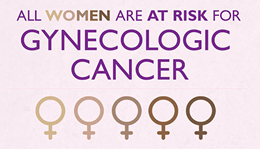
- Gynecologic Cancers
- Hand Conditions
- Head and Neck Cancer
- Headache
- Hearing Loss
- Heart Attack
- Hepatitis
- Hernias
- Herpes: HSV-1 and HSV-2
- High Blood Pressure/Hypertension
- High Cholesterol
- HIV and AIDS
- Human Papillomavirus (HPV)
- Hydrocephalus
- Hyperthyroidism
- Influenza
- Irritable Bowel Syndrome (IBS)
- Kidney Cancer
- Kidney Stones
- Knee Injuries
- Leukemia
- Lung Cancer
- Systemic Lupus Erythematosus
- Lyme Disease
- Lymphoma
- Melanoma
- Mood Disorders
- Multiple Sclerosis (MS)
- Obesity
- Osteoporosis
- Ovarian Cancer
- Pancreatic Cancer
- Parkinson's Disease
- Pelvic Floor Disorders
- Prostate Cancer
- Rare Pregnancy Complications
- Sarcoma
- Scleroderma
- Scoliosis
- Seasonal Allergies
- Seizures
- Sexually Transmitted Diseases
- Sjögren's Syndrome
- Sports-Related Conditions
- Stomach (Gastric) Cancer
- Stress
- Stroke
- Testicular Cancer
- Thyroid Cancer
- Urinary Incontinence
- Urinary Tract Infections
- Vascular Anomalies
- Zika Virus
- Vision, Hearing and Speech
- Correcting and Improving Vision
Subscribe to Your Health E-Newsletter
Looking for smart, simple tips to help keep you healthy? Your Health is a free, monthly e-newsletter from Johns Hopkins Medicine.