Cancer is very complex. It is a disease of many broken parts and in order to fix these parts, researchers need to understand them in detail. Groundbreaking discoveries led by scientists at the Johns Hopkins Kimmel Cancer Center found that breast cancer is not just one disease but a number of diseases. Several breast cancers might look alike under the microscope, but genetically they are very different. Most breast cancers are caused by a series of changes in normal cells acquired over time. These cellular alterations are red flags or biomarkers which can identify those at risk and can serve as targets for prevention.
Johns Hopkins has led the world in deciphering the cellular causes of cancer. Now our internationally-recognized team of Johns Hopkins breast cancer physician-scientists, lead by Vered Stearns, M.D., and Sara Sukumar, Ph.D., is poised to lead in the prevention of cancer. The Johns Hopkins Kimmel Cancer Center is one of the few centers in the country where significant collaboration occurs across departments and schools within the University system. Researchers in the Bloomberg School of Hygiene and Public Health identify and decipher risk factors for breast cancer while laboratory scientists in the School of Medicine describe the biological basis for breast cancer development. When these groups collaborate risk factors identified by our public health scientists can be investigated so that we understand their biological basis; biomarkers identified by our laboratory scientists can be the next generation of risk factors used by our public health scientists to identify groups at risk.
Clinical Trial Holds Promise for Patients with Advanced Breast Cancer
Hopkins scientists test ability of low doses of drugs, once deemed too toxic for humans, to 'reprogram' cancer cells and restore normal gene function.
Stephen Baylin, M.D., deputy director of The Sidney Kimmel Comprehensive Cancer Center at Johns Hopkins, makes it easy even for someone who's never stepped foot inside a scientific laboratory to understand how his sophisticated research on epigenetic-targeted drugs show promise at extending the life of patients with advanced breast cancer. Read more
Breast Cancer Vaccine
Dr. Leisha Emens is working on the development of novel therapeutic cancer vaccines for breast cancer treatment and prevention. In clinical trials she has been testing a vaccine composed of breast cancer cells genetically modified to secrete the immune-stimulating hormone granulocyte-macrophage colony-stimulating factor (GM-CSF). The vaccine incites a response that re-stimulates the immune system to seek out and destroy microscopic breast cancer cells and premalignant cells.
In 2009, Dr. Emens and colleagues reported the results from a phase I trial of the vaccine in combination with low doses of the chemotherapy drugs cyclophosphamide and doxorubicin in 28 patients with metastatic breast cancer. The work, published in the Journal of Clinical Oncology, showed that the drugs induced a higher level of immunity from the vaccine.
Results from a phase II trial testing the vaccine in combination with cyclophosphamide and weekly trastuzumab (Herceptin) therapy for patients with metastatic breast cancer are being submitted for publication. Additional trials still recruiting patients will evaluate the vaccine’s effectiveness with and without Herceptin for patients with metastatic breast cancer, and will study the side effects of giving Herceptin together with cyclophosphamide and the vaccine in patients with high-risk or metastatic breast cancer.
Epigenetic Therapy
A new clinical trial is available for patients with advanced or metastatic breast cancer. The trial will test two drugs that target specific changes in cancer cells. Study sites, including Johns Hopkins and other institutions in six states in the Unites States. Call 410-955-8804 for information.
Intraductal Therapy
Drs. Sara Sukumar and Vered Stearns, co-directors of the Breast Cancer Program, have been studying this potential treatment to deliver anti-cancer drugs through a tiny catheter inserted in the nipple directly to epithelial cells lining the breast ducts. This could save the breast and spare the rest of the body from side effects. “If you get rid of the epithelial cells,” Dr. Sukumar says, “you get rid of the cancer-causing cells while leaving the breast itself intact.” News release and video
In preclinical studies in rats, Dr. Sukumar and colleagues found that the chemotherapy drug doxorubicin could effectively be delivered to the breast this way. When researchers injected the medicine in rats, they found that not only did small tumors of the breast go away, but the rats were protected against future cancers for months. Then, in a phase I trial, Dr. Stearns and colleagues tested the process on three women awaiting mastectomy. First, they injected a sugar solution just to see if it was possible to deliver a substance this way. Then they administered a doxorubicin solution of up to 10 mg, and found a high concentration of drug remained in the breast while very little moved to the rest of the body. By comparison, breast biopsy samples from other women taking doxorubicin intravenously as part of standard care revealed that while high levels of the drug circulated in the body, very little made it to the breast tissues. With intraductal therapy, there were only minimal side effects of some irritation of the nipple or complaints of a feeling of fullness in the breast, that disappeared shortly. Based on these results, Dr. Stearns is designing a larger trial.
Biomarkers/Epigenetics
Dr. Sara Sukumar, co-director of the Breast Cancer Program, and colleagues are performing a number of studies looking to define the molecular composition of different types of breast cancer, with the long-term goals of developing a blood test for the early detection of breast cancer and developing personalized treatments based on the molecular findings.
Dr. Sukumar currently is working to detect breast cancer DNA in the blood or through tissue biopsies, and understanding the subtypes of breast cancer to tailor treatment, more accurately determining who is likely to benefit from chemotherapy, for example. In 2001, she and her colleagues described in a paper in the Lancet a test that screened for three commonly mutated genes was capable of detecting almost all breast cancers (96 percent) with a high level of specificity and sensitivity. This test accurately detected cancer in two high-risk women who appeared normal through a mammogram. They have gradually expanded the panel to include additional mutated genes.
Her work may make it possible to detect breast cancer from a tiny drop of breast fluid. A test called QM-MSP simultaneously analyzes methylation patterns, a chemical process linked to the silencing of tumor suppressor genes, in five known breast cancer genes. Using the test on a tiny amount of breast fluid (about the size of a pinhead), Dr. Sukumar and colleague Dr. Antonio Wolff found in a study of 64 women that they could detect six of seven cancers using the test. By comparison, just two cancers were identified by microscopic evaluation.
Read an article about Dr. Sukumar’s work from our Breast Center Matters newsletter.
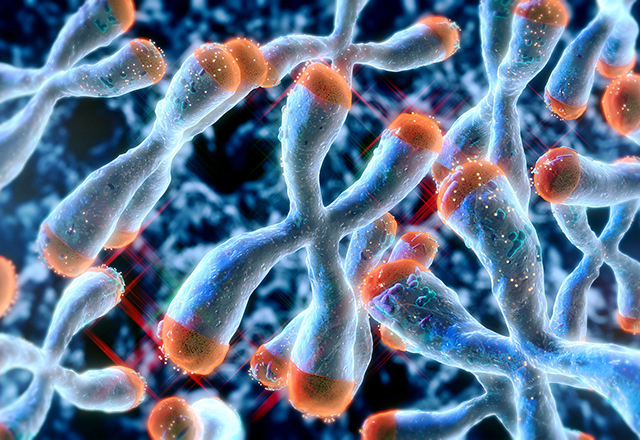
Dr. Lauring and colleagues are building upon the pioneering cancer genetics research completed at the Kimmel Cancer Center that revealed the unique genetic blueprint of breast cancer. He is studying recurrent genetic alterations in cancer cells, including mutations and large-scale chromosomal changes. He has identified mutant genes to which certain types of cancer cells become “addicted;” that is, the tumor’s growth and survival is directly tied to these mutant genes. In some cases, these mutant genes are abnormally active and can be successfully targeted with therapy. A well-known example of this in breast cancer is the Her-2 gene. Her-2 is over-expressed in about 15 percent of breast cancers and found to play an important role in the progression of the cancer. As a result, a number of active drugs targeting the Her-2 protein have been developed and have dramatically improved survival for this type of breast cancer. Dr. Lauring is hoping to uncover other targets that may have similar potential for extending survival.
Currently, he is studying mutant genes and chromosomes in human breast cancer cells and cell lines to better understand how the alterations foster abnormal cell growth and the aggressiveness of tumors. These cell lines will serve as model systems to study drugs or other interventions for their ability to selectively inhibit the growth of breast cancers containing that specific mutant gene. Dr. Lauring and team are currently studying a number of altered genes related to the most common type of breast cancer, known as ER-positive or hormone receptor positive breast cancer. This important research is helping to determine if these mutant genes contribute to sensitivity or resistance to widely used hormonal therapies, such as tamoxifen.
Genomic studies and Targeted Therapies
Dr. Ben Ho Park and colleagues are conducting laboratory studies aimed at discovering and developing novel means for treating breast cancer. The lab is developing techniques to identify genes involved with hormonal and chemotherapeutic drug resistance, as well as analyzing the genes involved in breast cancer initiation and progression.
Using powerful molecular genetic techniques, the lab is identifying genes whose inactivation leads to clinical drug resistance. It has been previously demonstrated that loss of tumor suppressor genes and/or their downstream effectors can confer resistance against certain chemotherapies. The lab hypothesizes that there are other genes whose inactivation can also lead to clinically relevant drug resistance.
Dr. Park's lab also is trying to understand pathogenic mechanisms of growth/hormone receptor signaling. The continuous exposure of breast tissue to estrogens and other growth factors likely plays a role in the cancer-causing process that transforms a normal breast epithelial cell into a cancer. The lab is trying to elucidate the molecular mechanisms of aberrant receptor signaling that contributes to this process.
Recent studies have identified that the PIK3CA gene is the most mutated cancer gene in human breast cancers. Dr. Park and colleagues have identified critical pathways that are activated and lead to growth of breast cancer cells due to these PIK3CA mutations. They are working to identify drugs that specifically target these pathways.
Project CRAFT
The Maryland affiliate of The Susan G. Komen Foundation has awarded a competitive annual grant to Antonio C. Wolff, M.D., assistant professor of oncology at the Kimmel Cancer Center. Called Project CRAFT (Clinical Research Affiliates Funding Trials), this unique demonstration project supports efforts to increase patient accrual to NCI-sponsored clinical trials in breast cancer. Since first awarded a grant by the Komen Foundation in 2000, Dr. Wolff has been able to recruit and retain a dedicated breast cancer research nurse to improve the education and recruitment of patients to clinical trials sponsored by the National Cancer Institute, such as cooperative group studies. "Project CRAFT exemplifies ways in which advocacy groups and research organizations like Johns Hopkins can collaborate on important issues such as breast cancer research studies," says Wolff. "Insufficient research staff support is one of the key barriers to patient participation in clinical trials, and we are grateful for the Komen Foundation's ongoing support. With the help of Project CRAFT, we have increased the number of patients enrolled in breast cancer clinical trials at Johns Hopkins, and hopefully be one step closer to not only finding new therapies, but also helping more patients survive this disease."
For questions about breast cancer clinical trials, please call our information specialist at (410) 955-8804.
Clinical Trials
Clinical trials advance cancer research and are the only way to find safe and potentially more effective therapies to treat cancer. Patients who enroll in clinical trials have access to new treatments that may offer better results than standard treatment.
Recent Discoveries
2011
- Johns Hopkins researchers find that nitroxoline, an antibiotic commonly used around the world to treat urinary tract infections, can slow or stop the growth of human breast and bladder cancer cells by blocking the formation of new blood vessels. Read more.
2010
- Johns Hopkins scientists report new findings about a gene target for drug resistance, a triple-drug cocktail for triple negative breast cancer, and patients’ risk for carpal tunnel syndrome at the San Antonio Breast Cancer Symposium. Read more.
- Johns Hopkins scientists discover that SPCA2 -- a protein found in very high levels in human breast cancer cells – both pumps calcium out of cells and also moonlights as a signal to get massive quantities of the stuff to flow in, holding the promise of a new therapeutic target for certain breast cancers. Read more.
2007
- Johns Hopkins scientists, one year after completing the first large-scale report sequencing breast and colon cancer genes, find a cancer “landscape” dominated by genes that each are mutated in relatively few cancers. The report suggests that less-commonly mutated genes can be grouped into clusters according to their pathways. Read more.
2006
- Johns Hopkins scientists complete the first draft of the genetic code for breast and colon cancers. Their report identifies close to 200 mutated genes linked to these cancers, most of which were not previously recognized as associated with tumor initiation, growth, spread or control.
- Johns Hopkins scientists find that a method they developed to screen body fluids for certain kinds of cells and some of their genetic blueprint is twice as accurate at spotting breast cancer cells as a pathologist’s view with a microscope.Read more.