About Us
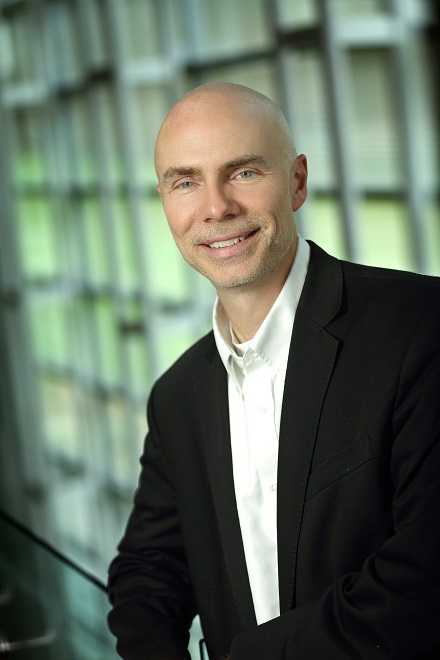
James Berger, Ph.D.
Virtually all mechanistic understanding of disease, all current treatments and diagnostic tools have as their foundation a basic science discovery; the more basic the discovery, the more far reaching its effects. Fundamental research touches upon everything from diagnosis to treatment and therapy for conditions ranging from cancer to autoimmune disease.
The Johns Hopkins Institute for Basic Biomedical Sciences promotes the fundamental research that drives advances in medicine. Our seven basic science departments study all the fundamentals, from solving protein structures to dissecting cell movement, from analyzing chromosome structure to deconstructing biochemical pathways. We have so much exciting research going on here, it’s really inspiring, and it’s only part of the story.
When the Johns Hopkins University School of Medicine was founded in 1893, the unusual mandate was that the field of medicine was to be treated as a form of graduate study and include scientific research, and physicians and scientists were thought of as one and the same. Despite tremendous growth, advances in technology and changing pressures in healthcare, the link between medicine and scholarship remains unbroken here at Hopkins even today.
The IBBS reinforces that link by fostering a unique and collaborative environment bridging basic science and clinical research. The seven basic science departments within IBBS bring together experts from a vast range of science and medical backgrounds. We're adopting new technologies, building new tools and using them to track cells and molecules, see molecular structures at atomic resolution, decipher how genetic material is read and answer the most pressing questions in basic biology.
We invite you to join us.
James Berger, Ph.D.
IBBS Director
Michael and Ann Hankin and Partners of Brown Advisory Professor in Scientific Innovation
IBBS Leadership
James M. Berger, Ph.D.
Co-Director, Cancer Chemical and Structural Biology Program, Johns Hopkins Sidney Kimmel Comprehensive Cancer Center
Professor of Biophysics and Biophysical Chemistry
Professor of Oncology
Professor of Pharmacology and Molecular Sciences
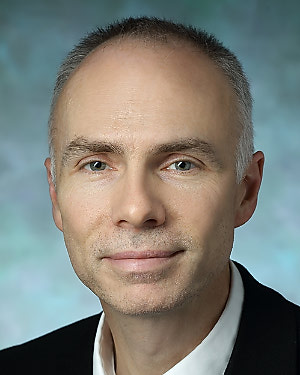
Alex Leo Kolodkin, Ph.D.
Professor of Neuroscience
Joint Appointment in Molecular Biology and Genetics
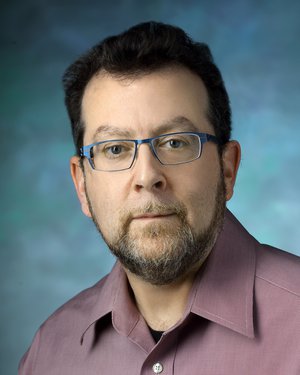
Deborah Jean Andrew, Ph.D., M.S.
Professor of Cell Biology
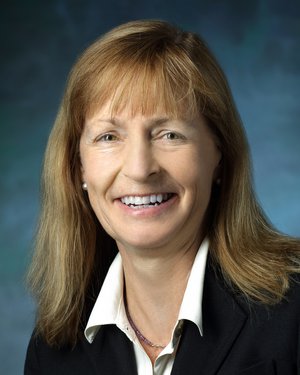
IBBS Department Chairs
Andrew J. Ewald, Ph.D.
Co-Leader, Cancer Invasion and Metastasis Program (CIM)
Professor of Cell Biology
Professor of Biomedical Engineering
Professor of Oncology
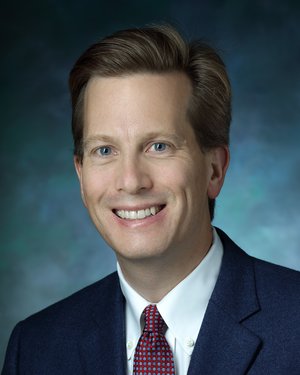
Rachel Green, Ph.D.
Daniel Nathans Director of the Department of Molecular Biology and Genetics and Professor in Molecular Biology and Genetics
Bloomberg Distinguished Professor of Molecular Biology and Genetics
HHMI Investigator
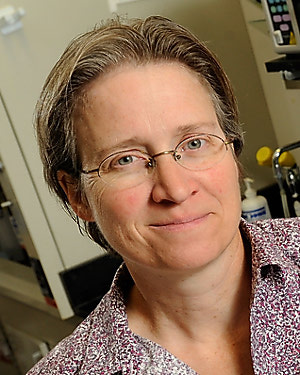
Richard L. Huganir, Ph.D.
Co-Director, Brain Science Institute
Professor of Neuroscience
Joint Appointment in Biological Chemistry
Joint Appointment in Psychiatry and Behavioral Sciences

Joseph Leonard Mankowski, D.V.M., Ph.D.
Director, Department of Molecular and Comparative Pathobiology
Professor of Molecular and Comparative Pathobiology
Professor of Neurology
Professor of Pathology
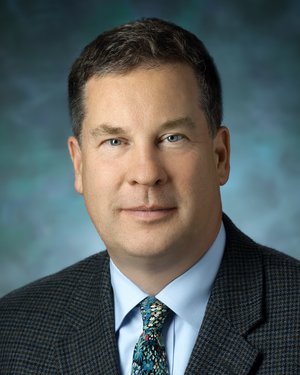
Michael I. Miller, Ph.D.
Co-director of the Kavli Neuroscience Discovery Institute
Professor of Biomedical Engineering
Joint Appointment in Neuroscience
Ronald Schnaar, Ph.D.
John Jacob Abel Professor of Pharmacology
Professor of Pharmacology and Molecular Sciences
Professor of Neuroscience
Cynthia Wolberger, Ph.D.
Professor of Biophysics and Biophysical Chemistry
Professor of Oncology