
Ph.D. Graduate Program
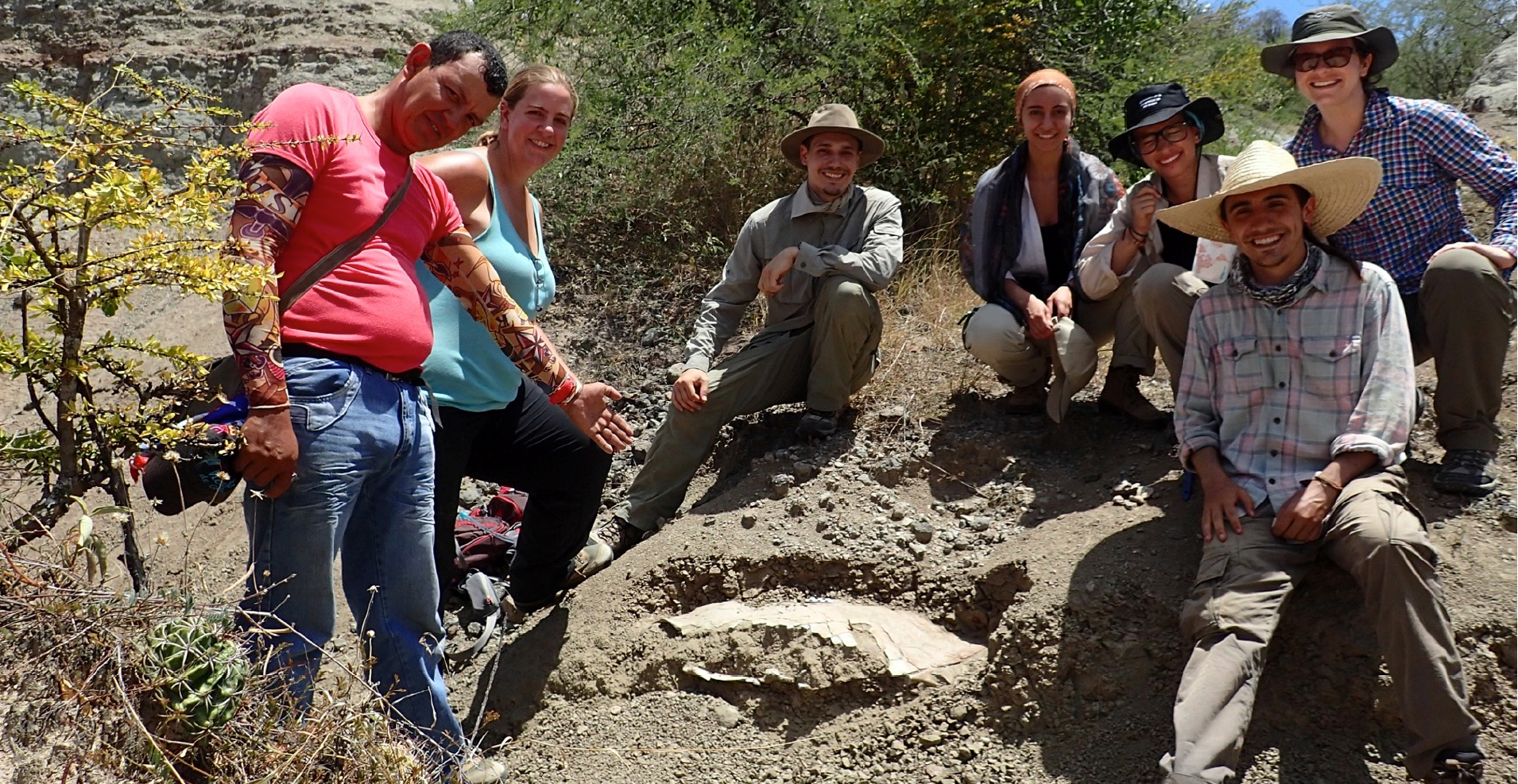
…a 5-year program focused on independent research ranging from vertebrate fossils, to primates to recent human remains and teaching human gross anatomy.
Masters Graduate Program
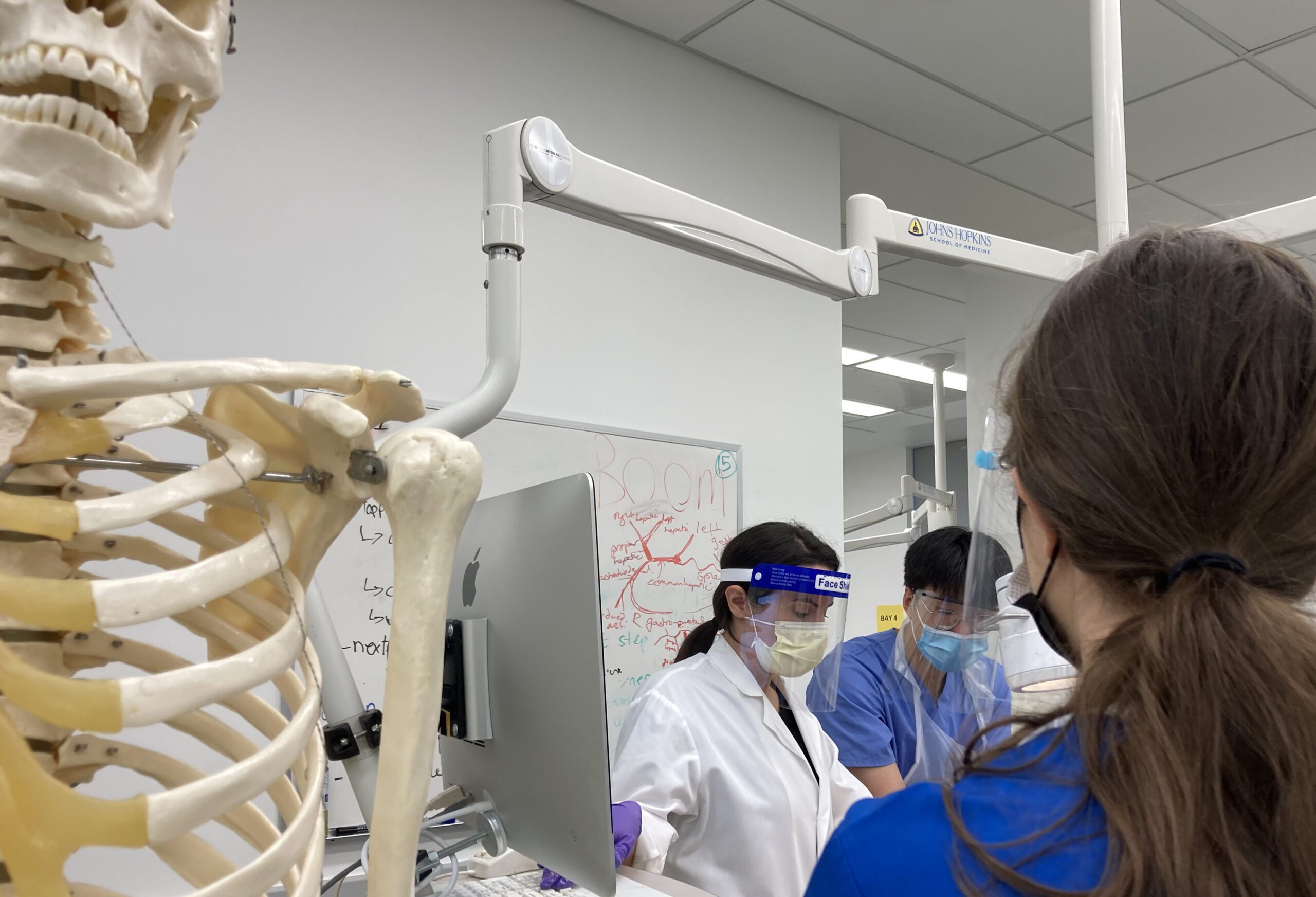
…a one-year full-time program providing intensive immersion in human anatomy through both classroom instruction and dissection laboratories, including small group interactions with our faculty.
Welcome New PhD Students!
It is with great enthusiasm that FAE welcomes Sam Broadbent, Emma Puetz, and Mason Hintermeister as our newest PhD students in the fall of 2024! We...
PhD Program in Functional Anatomy and Evolution
The FAE graduate program offers a Ph.D. in Functional Anatomy and Evolution and provides individualized support by world-leading professors for each student in a close-knit department with an excellent faculty to student ratio. Our primary focuses are independent research and teaching human gross anatomy, with research areas covered by faculty and students that range from vertebrate fossils, to primates to recent human remains.
As a result of the interdisciplinary training of the FAE graduate program, our graduates are well equipped to face the challenge of today’s academic job market. For more information on requirements for entry to the program, see our requirements for admission. See links at the bottom of the page for further information about the program.
Master of Science in
Anatomy Education
The Johns Hopkins University School of Medicine Master of Science in Anatomy Education is a one-year program that provides specialized training in clinically based anatomy (and related basic science disciplines) while enhancing communication skills through exposure to advanced educational theory and methods. The curriculum supports a variety of post-graduation career interests that include (but are not limited to): admission to one of the many professional schools in the medical/health sciences (e.g., medical, nursing, and physical therapy schools), admission to a Ph.D. program in biology/biomedicine, and teaching positions in Higher Education.
Recent News
Welcome New PhD Students!
It is with great enthusiasm that FAE welcomes Sam Broadbent, Emma Puetz, and Mason Hintermeister as our newest PhD students in the fall of 2024! We look forward to meeting our new members in the upcoming months. But as a sneak peek, please take some time to read some...
FAE Seminar Series: Dr. Chris Krupenye!
Event Date & Time : Wednesday, April 17th at 4 PMPresentation: "The Social Minds of Humans and Other Apes"Location: 1830 Building (1830 E. Monument St), 2nd Floor Auditorium (Rm. 2-108) Join us for a fascinating talk regarding the evolution of humans and primates!...
NSF-funded Digital Paleontology Internship for Undergraduate Students
As part of a collaborative NSF-funded collaborative research grant, Dr. Siobhan Cooke is recruiting two undergraduate students to conduct research in her lab during May and June of 2024. The project focuses on niche-differentiation and extinction of the endemic...
People & Research
Follow links to personal faculty pages, curricula vitarum, publications and special links.
Get in Touch
Contact
Phone
Address
Center for Functional Anatomy and Evolution
Johns Hopkins University School of Medicine
1830 East Monument Street, 3rd Floor
Baltimore, Maryland 21287 USA