
 ;
;



Apr 26
view more posts
In The News
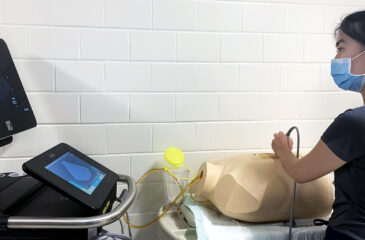
The Sadie Abell Senior Pediatric Critical Care Medicine Bootcamp 2024
The Department of Anesthesiology and Critical Care Medicine at the Johns Hopkins School of Medicine welcomes your pediatric anesthesia fellows for a three-day simulation training event at the Johns Hopkins […]
view more posts
Education
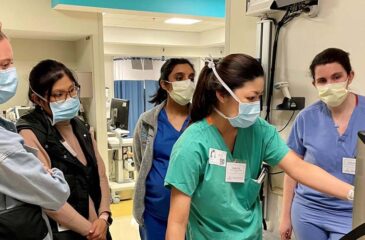
9th Annual Advanced Pediatric Anesthesiology Fellowship Bootcamp
The Department of Anesthesiology and Critical Care Medicine at the Johns Hopkins School of Medicine welcomes your pediatric anesthesia fellows for a one-day simulation training event. For the last nine […]
view more posts

Research
ACCM Cardiac Anesthesia SCA Presentation Guide
The 46th SCA Annual Meeting and Workshops will be held April 27-30 in Toronto, Canada. Once again, Hopkins Cardiac Anesthesiology members are making meaningful and important contributions to the meeting […]
view more posts

Departmental Accolades
Dr. Fernandez Receives Women’s History Month Achievers Award
Allison Fernandez is passionate about women’s empowerment in medicine. As a leader in the pediatric anesthesiology arena, Fernandez works to ensure women and girls have the resources they need to […]
view more posts

Grand Rounds
Grand Rounds Webcast, April 18th
Watch “Drug Development For Pulmonary Arterial Hypertension: From Phosphodiesterase-5 To Pyruvate Dehydrogenase Kinase And Dynamin Related Protein 1” with Visiting Professor Stephen Archer from Thursday, April 18th’s Grand Rounds. Speaker: […]
view more posts

ACCM Achievements
ACCM Achievements
Brandon Sumida, MD served as the ACCM lead/host for multiple Hopkins events for Pathways in Technology Early College High School (P-Tech) students from Paul Laurence Dunbar High School. In December, […]
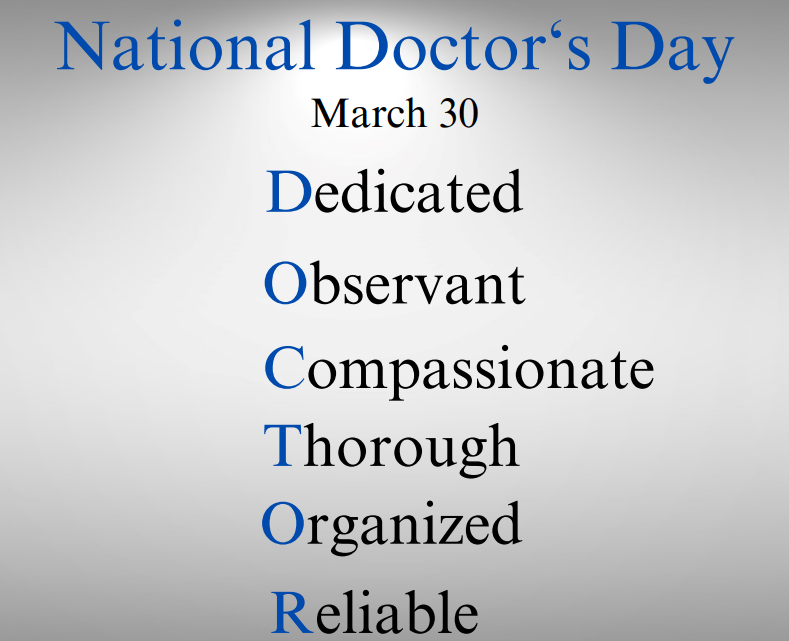
We are celebrating our and all Doctors!
Thank you for all you do for our patients.
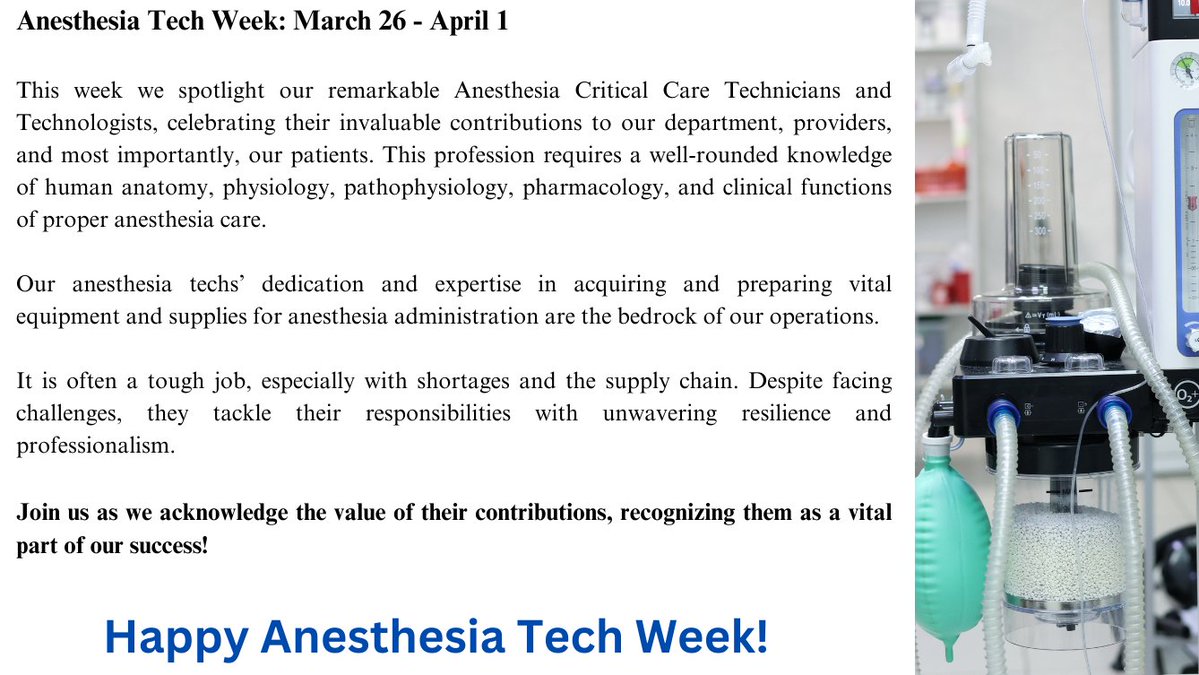
Join us as we celebrate Tech Week!
Our incredible Coding & Collections team won a Best Team Happy Hour celebration at Lib’s. They really are the best – grateful for their expertise and teamwork!
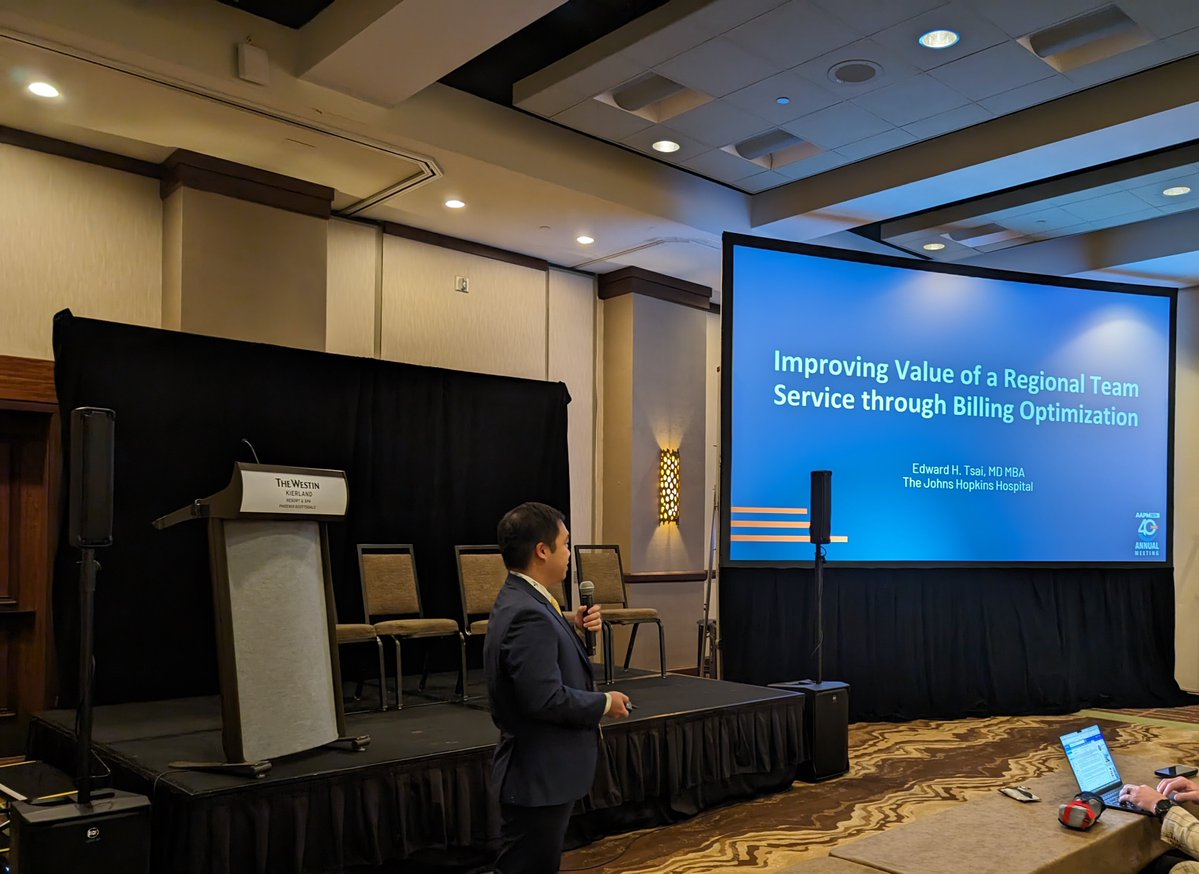
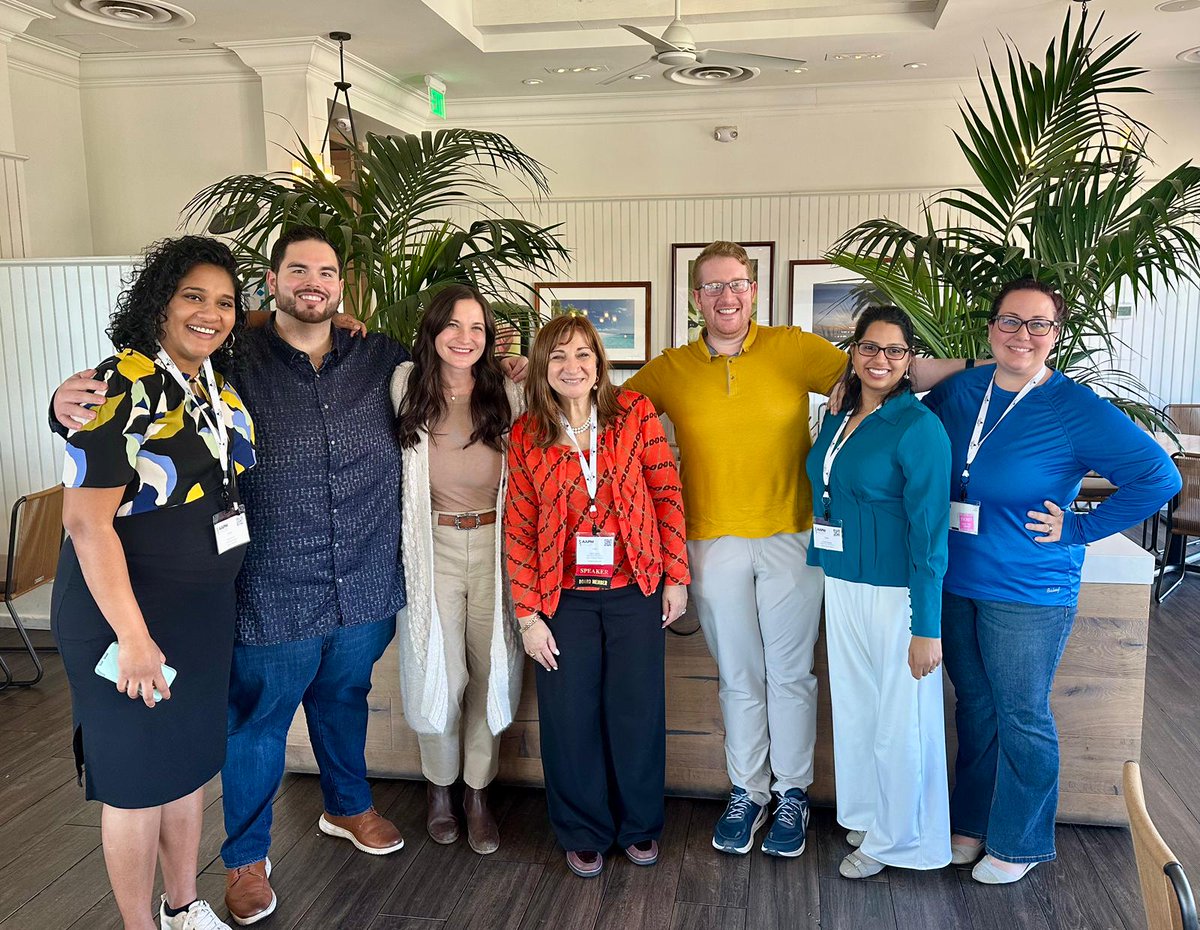
A great presence for Johns Hopkins at American Academy of Pain Medicine.
Discovery and Innovation Calendar
View this month's calendar
Apr 26
Pain Treatment Program
Apr 26
Blaustein Grand Rounds
May 03
Cardiac Surgery Multidisciplinary Case Conference
May 03
Blaustein Grand Rounds
No event found!