Physical medicine and rehabilitation focuses on restoring the health and functional abilities after illness or injury, such as a stroke, spinal cord injury, heart surgery, amputation, joint replacement, sports injuries, spinal disorders and other conditions. We work with you to develop a custom treatment plan built around your individual needs.
Schedule An Appointment
Schedule by phone
Physician appointments: 443-997-5476
Therapy appointments:
Maryland clinics except Bayview: 443-997-5476
Johns Hopkins Bayview: 410-550-0414
Sibley Memorial Hospital: 202-364-7665
Therapy appointments:
Maryland clinics except Bayview: 443-997-5476
Johns Hopkins Bayview: 410-550-0414
Sibley Memorial Hospital: 202-364-7665

Schedule online through MyChart


The Johns Hopkins Difference
A Care Team That Cares
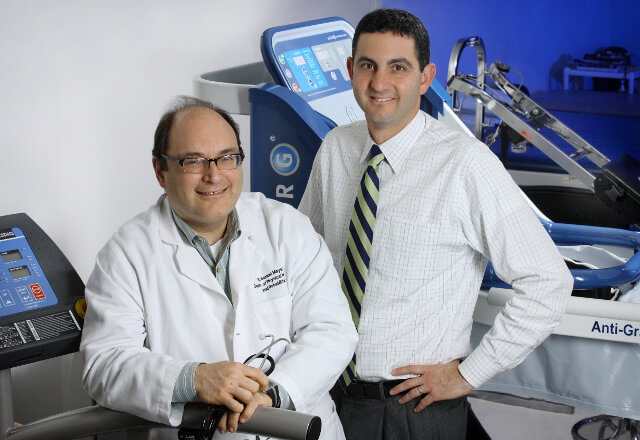
Our team of physicians, nurses, physical, occupational and speech therapists, and rehab psychologists work together to create a treatment plan just for you.
Educating Future Leaders
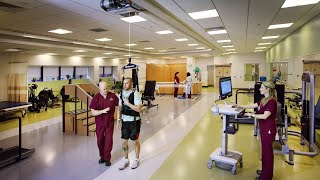
Our PM&R experts work side-by-side with residents to help them apply classroom knowledge to a variety of clinical settings.